

Manual vs Electric Wheelchairs: Which One is Right for You?
When it comes to choosing a mobility aid, the decision often boils down to two popular options: the manual wheelchair and the electric (power) wheelchair. While they both provide support and stability, their designs and functionalities are tailored to different levels of need. For many seniors and their families, understanding these differences is crucial for ensuring safety, comfort, and independence. In this comprehensive comparison, we’ll break down the pros, cons, and best-use scenarios for both manual and electric wheelchairs, helping you make an informed decision for your specific mobility requirements.
The Manual Wheelchair: Simple and Versatile Support
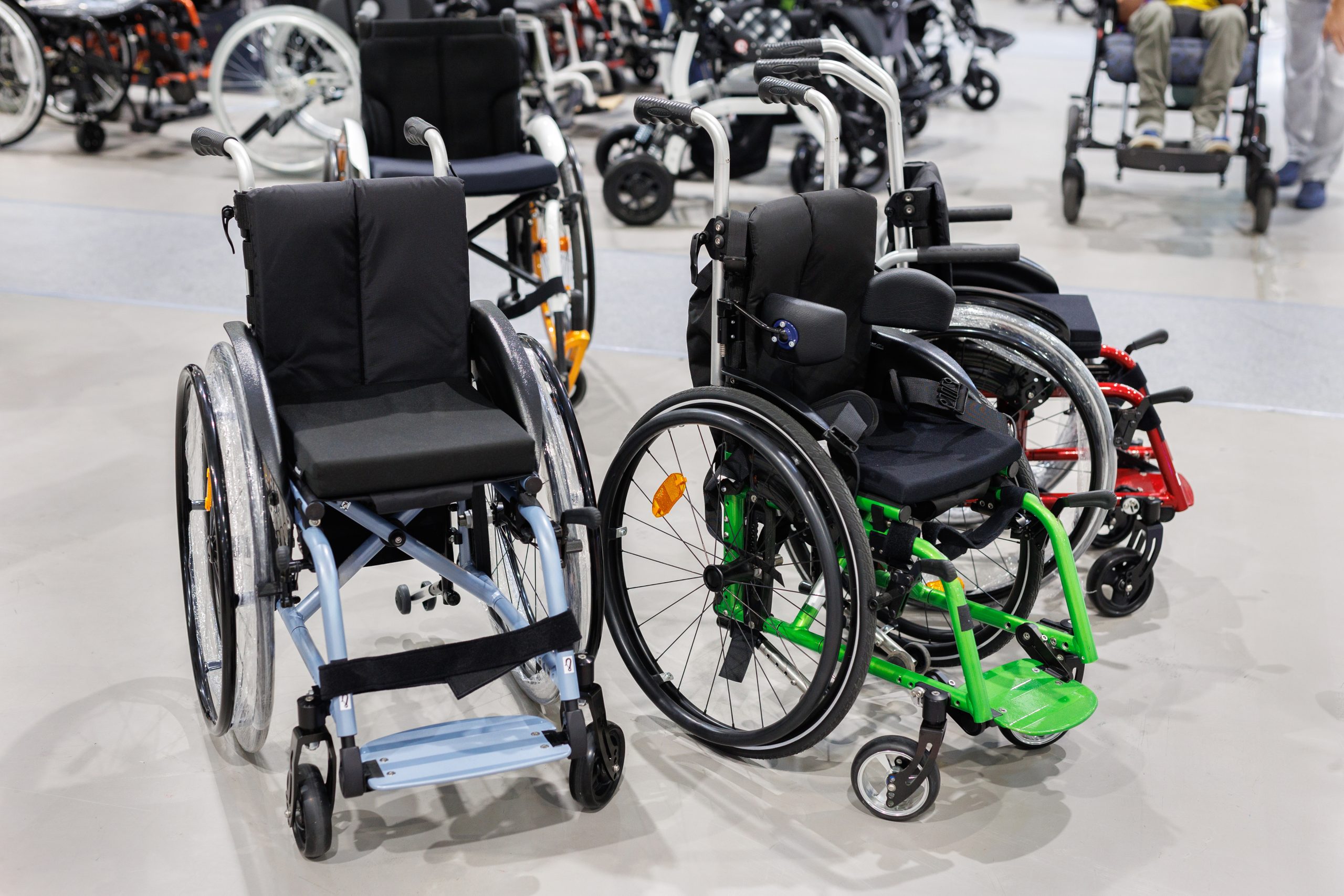
A manual wheelchair is the simplest and most portable type of wheelchair. It typically consists of a lightweight aluminum frame with four wheels. Manual wheelchairs are designed to be propelled by the user (self-propulsion) or pushed by a caregiver. They are ideal for seniors who have relatively good upper-body strength and who still have a certain level of independence. Manual wheelchairs come in various styles, including standard, lightweight, and transport wheelchairs.
When to Choose a Manual Wheelchair
Manual wheelchairs are best for those who still have some balance and strength but tire easily. They are also useful for those recovering from a minor injury or surgery while maintaining some level of independent movement. Manual wheelchairs are highly portable and easy to take along in a car or on public transport. However, it’s important to remember that they require some level of physical exertion, which may not be enough for those with more significant muscle weakness or fatigue.
The Electric Wheelchair: Maximum Power and Freedom
An electric wheelchair, also known as a power chair, is a more robust mobility aid that provides a stable base of support with a motorized drive system. Electric wheelchairs are typically heavier and more complex than manual wheelchairs and are controlled by a joystick or other specialized input device. They are ideal for seniors with more significant muscle weakness, limited upper-body strength, or those who find manual propulsion too tiring.
When to Choose an Electric Wheelchair
Electric wheelchairs are the safer and more appropriate choice for those who need to maintain an active lifestyle but have significant physical limitations. They provide support on both sides of the body and can significantly reduce the risk of a fall. However, electric wheelchairs are bulkier and more difficult to transport than manual wheelchairs and may be more challenging to maneuver in very tight spaces.
Detailed Comparison: Manual vs Electric Wheelchair
| Feature | Manual Wheelchair | Electric Wheelchair |
|---|---|---|
| Propulsion | User-propelled or Caregiver-pushed | Motorized (Joystick control) |
| Portability | High (Lightweight/Compact) | Moderate to Low (Heavier/Bulkier) |
| Weight Capacity | Up to 250-300 lbs usually | Up to 300-500+ lbs |
| Ideal For | Mild to Moderate Mobility Needs | Significant Mobility Needs / Fatigue |
| Exertion | Physical (Requires arm strength) | Minimal (Joystick control) |
Key Considerations for Decision Making
Assessment of Strength and Endurance
If a senior has severe muscle weakness or significant fatigue on both sides of the body, an electric wheelchair is usually the safer and more supportive bet. The motorized drive and easy control provide a more secure and less tiring experience. Conversely, for a senior with relatively good upper-body strength and a certain level of independence, a manual wheelchair may be a more appropriate and less restrictive option.
Environmental Factors
Think about where the wheelchair will be used most. Manual wheelchairs are excellent for navigating tight indoor spaces and for use in various public environments. Electric wheelchairs are better suited for covering longer distances outdoors and for use in larger public areas like shopping malls or parks. The larger wheels of an electric chair are better suited for uneven terrain.
User’s Preference and Lifestyle
Involve the senior in the decision-making process. Some seniors may find an electric wheelchair too “complex,” while others may feel more secure with the added power and ease of movement it provides. Let them try out both a manual and an electric wheelchair to see which one they feel most comfortable and confident using in their typical daily activities.
Pros and Cons at a Glance
Manual Wheelchair
- Pros: Highly portable, lightweight, easy to use in tight spaces, relatively inexpensive.
- Cons: Requires physical effort, limited endurance for long distances, may not be enough for significant weakness.
Electric Wheelchair
- Pros: Maximum power and freedom, reduces fatigue, safer for high-risk users, great for long distances.
- Cons: Heavier and bulkier, more complex to operate, more expensive, requires regular battery charging.
Buying Guide: Tips for a Successful Choice
- Get a Professional Assessment: Consult with a physical or occupational therapist. They can evaluate the senior’s gait and strength and recommend the most appropriate type of aid and fitting.
- Try it Out: Let the senior test both manual and electric wheelchairs in a safe and supportive environment. This will help them identify which features they find most important.
- Consider Adjustability: Ensure the chosen wheelchair can be easily adjusted to the correct height and features for the user. A mobility aid that is the wrong height can cause back pain and increase fall risks.
Safety Tips for Using Your Wheelchair
- Manual Wheelchair Safety: Always use the brakes before sitting down or standing up from the chair. Maintain a stable center of gravity and avoid leaning too far to one side.
- Electric Wheelchair Safety: Practice using the joystick and brakes in a safe and open space before navigating crowded areas. Regularly check the battery levels to ensure you have enough power for your outing.
- Both: Regularly check that the wheels, brakes, and tires are in good condition and replace them promptly if they show signs of wear.
FAQs About Manual and Electric Wheelchairs
1. Can I use a manual wheelchair as an electric one?
No. Standard manual wheelchairs are not designed for being propelled by a motor. There are specialized “power-assist” wheels available that can be added to some manual wheelchairs to provide a motorized boost.
2. Is an electric wheelchair difficult to operate?
Most modern electric wheelchairs use a simple joystick for control and are relatively easy to learn with some practice. However, those with cognitive issues or significant coordination problems should be evaluated by a professional before use.
3. Are there lightweight electric wheelchairs for travel?
Yes, there are many compact and lightweight electric wheelchairs designed specifically for travel. They often have smaller motors and batteries but still provide a significant amount of power and convenience.
4. Does insurance or Medicare cover both?
Medicare and many insurance plans will cover either a manual or an electric wheelchair if it’s deemed medically necessary and prescribed by a doctor for a specific condition. They usually only cover one at a time.
5. Which one is better for someone with Parkinson’s?
Seniors with Parkinson’s often benefit from an electric wheelchair, as it reduces the physical effort required for movement and provides a more stable and less tiring experience. However, a professional assessment is always recommended.
Conclusion: Choosing Your Support for Freedom
Ultimately, the “right” wheelchair is the one that best matches the individual’s needs, environment, and lifestyle. For those who prioritize portability and have some upper-body strength, a manual wheelchair can be an excellent choice. For those who need maximum power and freedom and want to maintain an active lifestyle without fatigue, an electric wheelchair is a safer and more supportive option. By carefully considering the factors outlined in this guide and consulting with professionals, you can ensure that the senior in your life has the best possible tool for staying active, independent, and safe. Remember that a well-chosen mobility aid is more than just a tool—it’s a path for a better quality of life. Stay safe, stay mobile, and stay independent!
Internal Link Suggestion: Read our detailed guide on Best Wheelchairs for Seniors at Home for more mobility options.