

Best Wheelchairs for Outdoor Use: Exploring the World with Confidence
For many seniors, the ability to enjoy the outdoors is essential for maintaining physical and mental well-being. However, navigating through parks, on sidewalks, or on uneven terrain can be a challenge with a wheelchair designed primarily for indoor use. This is where outdoor wheelchairs come in, offering enhanced stability, traction, and durability for exploring the world beyond the home. In this guide, we’ll explore the best wheelchairs for outdoor use in 2026, focusing on features like larger, all-terrain wheels, powerful motors (for electric models), and robust frames that can handle the unpredictability of the outdoors. By choosing the right wheelchair, you can ensure that mobility is never a barrier to adventure and that your loved one can continue to discover the beauty of nature with confidence.
The Benefit of Outdoor-Specific Features
The primary advantage of an outdoor wheelchair is its focus on stability and traction on various surfaces like grass, gravel, and rough pavement. These wheelchairs typically feature larger, air-filled tires that provide superior shock absorption and a smoother ride on uneven ground. Furthermore, outdoor wheelchairs often have reinforced frames and more powerful motors (for electric models) that can handle inclines and varied terrain with ease.
Improving Independence and Adventure
A well-fitted outdoor wheelchair provides a secure and stable base for exploring the world. It can help a senior navigate through parks, attend outdoor social events, and participate in nature-focused activities like birdwatching or short walks in the woods. This level of mobility can significantly boost a senior’s confidence and overall well-being, as it allows them to remain an active and adventurous participant in their community.
Key Features of the Best Outdoor Wheelchairs
All-Terrain Wheels and Tires
Look for wheelchairs with larger, rugged wheels (typically 8-10 inches or larger) and pneumatic (air-filled) tires. These features provide exceptional traction and shock absorption on various surfaces, including grass, gravel, and rough sidewalks. Some models even feature “all-terrain” tires with knobby treads for extra grip.
Powerful Motors and Battery Life (for Electric Models)
For seniors who use an electric wheelchair, a powerful motor and long battery life are essential for outdoor use. Look for models with high-torque motors that can handle inclines and varied terrain without straining and a battery system that provides a generous range (10-15+ miles) for extended outings.
Robust Frames and Suspension
An outdoor wheelchair needs to withstand the wear and tear of outdoor use. Look for models with sturdy aluminum or steel frames and, if possible, a full suspension system that can absorb bumps and shocks for a more comfortable ride. A robust frame also provides a more stable center of gravity, which is essential for navigating uneven ground safely.
Safety Features: Reflectors and Lights
For added security during evening strolls, outdoor wheelchairs often include built-in reflectors or lights to make the user more visible to others. These features are particularly important for navigating through parks or on sidewalks during low-light conditions.
Comparison Table: Top Wheelchair Models for Outdoor Use
| Feature | The All-Terrain Explorer | The Rugged Power Master | The Lightweight Outdoor Cruiser |
|---|---|---|---|
| Type | Manual (All-Terrain Wheels) | Electric / Power Chair | Lightweight Manual |
| Drive System | Self-Propelled | Rear-Wheel Drive | Self-Propelled |
| Tires | Pneumatic Knobby | Full Suspension / Air-Filled | Standard Polyurethane |
| Best For | Grass and Gravel | Steep Inclines / Long Excursions | Sidewalks and Paved Trails |
Choosing the Best Fit for Your Outdoor Adventures
- Assess the Typical Terrain: Where will the senior spend most of their time using the outdoor wheelchair? If it’s primarily on sidewalks and paved trails, a lightweight manual model may be enough. If they enjoy more challenging off-road excursions, an all-terrain manual or powerful electric model is a better investment.
- Consider the User’s Fatigue Levels: If the senior gets tired easily, an electric wheelchair with a powerful motor and long-range battery is the most appropriate choice for longer outdoor adventures.
- Try Out Different Models: If possible, have the senior test both manual and electric outdoor-focused wheelchairs in their typical environments. This will help them identify which features they find most important and which model feels most secure.
Safety Tips for Using Your Wheelchair Outdoors
- Engage the Brakes: Always engage the parking brakes before sitting down or standing up from the wheelchair, especially on uneven ground. Practice using the hand brakes for controlled stops on slopes.
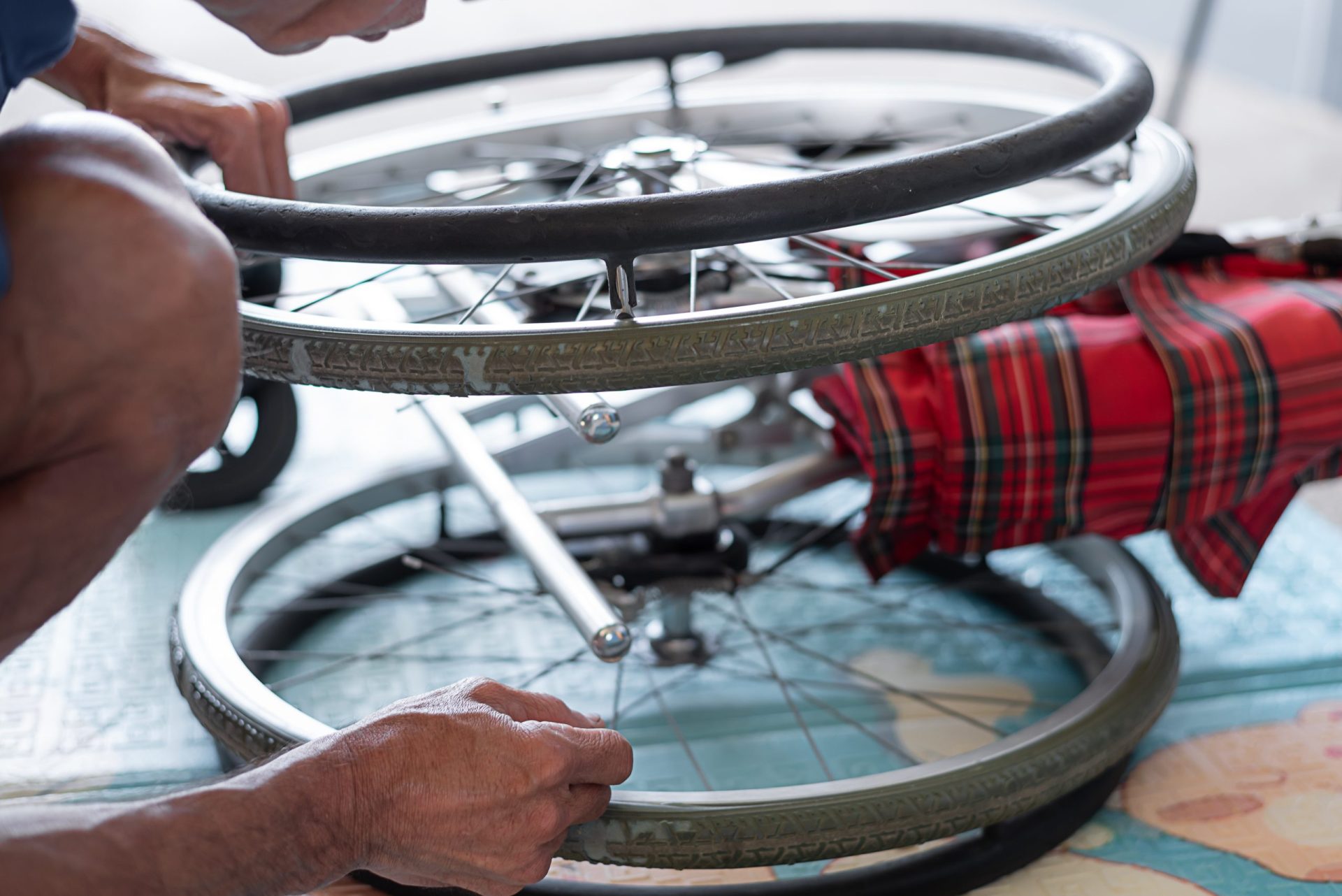
- Perform Regular Maintenance: Check the wheels, brakes, and tires for wear and tear regularly. Worn-out tires can affect the chair’s stability and traction on outdoor surfaces.
- Stay Visible: Use reflectors and lights when navigating in dim conditions. Consider wearing bright or reflective clothing for added visibility to others.
- Maintain a Safe Center of Gravity: Avoid leaning too far forward or to one side while in the chair, especially on uneven ground. A seat belt or positioning strap may be helpful for some users.
FAQs About Outdoor Wheelchairs
1. Can I use my indoor wheelchair outdoors?
While you can use an indoor wheelchair on paved sidewalks and smooth outdoor surfaces for short distances, it’s generally not recommended for regular or off-road use. The smaller wheels can easily get caught in cracks or on uneven ground, and the frame is less stable on varied terrain.
2. Does Medicare cover outdoor wheelchairs?
Yes, Medicare Part B typically covers wheelchairs as Durable Medical Equipment (DME) if a doctor deems it medically necessary and prescribes it for a specific condition. However, they may only cover certain models and types.
3. How do I clean my outdoor wheelchair?
Most outdoor wheelchairs are made of water-resistant materials and can be wiped down with a damp cloth and mild soap. Pay extra attention to cleaning the wheel axles and removing any mud or debris after each outing.
4. Are there “all-terrain” tires for my manual wheelchair?
Yes, many manual wheelchairs can be retrofitted with all-terrain tires and larger wheels for better independence on varied surfaces. Consult with a medical supply store for compatibility.
5. Can I use an electric wheelchair on a beach?
Standard electric wheelchairs are generally not suitable for soft sand. However, there are specialized “beach wheelchairs” with extra-large, balloon-style tires that are designed for use on sand and in shallow water.
Conclusion: Explore the Beauty of the World
A well-chosen outdoor wheelchair is more than just a mobility aid; it’s a tool for maintaining a full and active life in the beauty of nature. By choosing a model that’s stable, durable, and suited to your specific outdoor goals, you’re giving the senior in your life the best possible support for staying active and engaged with their world for as long as possible. Remember that the “right” wheelchair is the one that’s safe, supportive, and reliable for your loved one’s specific journey. Stay active, stay engaged, and explore the beauty of the world with confidence!
Internal Link Suggestion: Read our detailed guide on Wheelchair Safety Tips for Seniors for more usage advice.