
Dressing Aids for Stroke Recovery: Restoring Independence One Garment at a Time
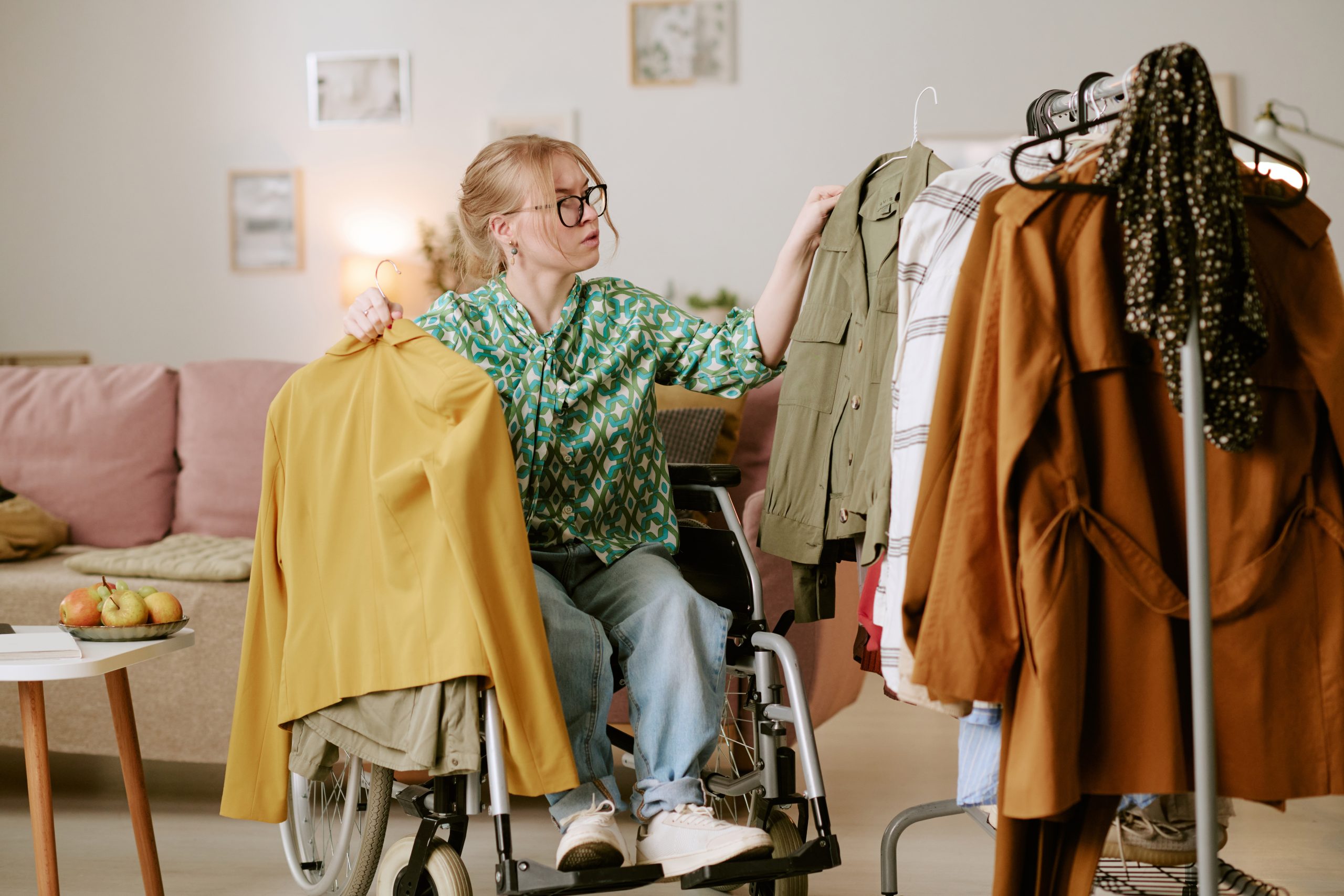
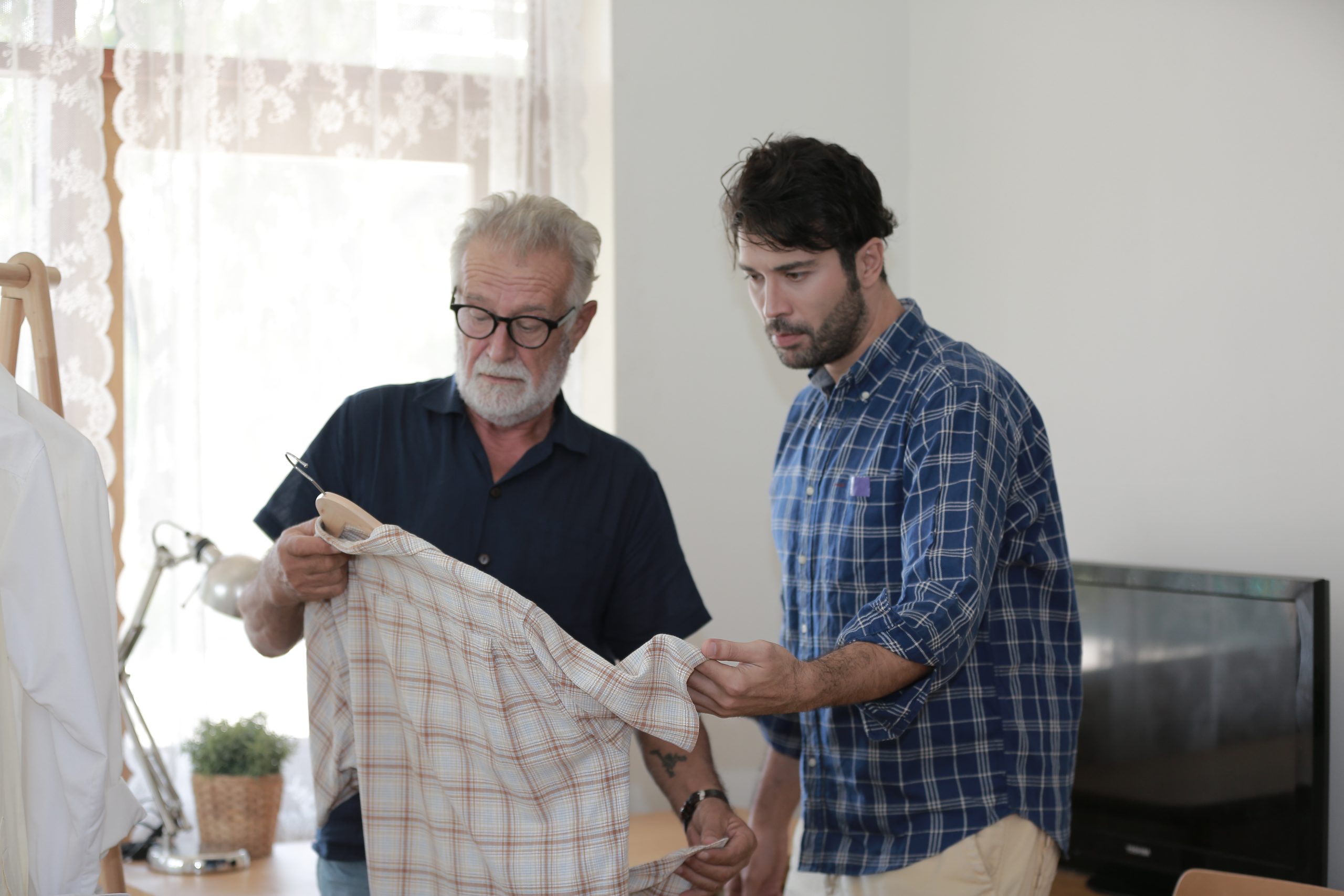
For seniors recovering from a stroke, regaining independence in their daily personal care is a major milestone. A stroke can lead to significant muscle weakness, impaired coordination, and limited use of one side of the body (hemiplegia). Simple tasks like choosing clothes and putting them on can become extremely difficult and frustrating without the right tools. Specialized dressing aids are designed specifically for this purpose, offering one-handed operation, simplified fasteners, and ergonomic handles for a safe and successful daily routine. In this guide, we’ll explore the best dressing aids for stroke recovery in 2026, focusing on tools that support your independence and rehabilitate your mobility. By choosing the right aids, you’re not just simplifying a daily chore; you’re actively participating in your own recovery and healing. Let’s look at how these tools can turn a difficult morning into a positive and empowering start to the day.
The Benefit of Weight Distribution and Autonomy
The primary advantage of stroke-specific dressing aids is their focus on reducing the physical effort and dexterity required for use. For those with limited function on one side, specialized grips and one-handed mechanisms can provide the necessary support without causing additional stress or exhaustion. Furthermore, using these tools can significantly reduce the risk of accidents and falls, as the senior doesn’t have to strain or lean in ways that could compromise their balance during the rehabilitation process.
Improving Safety and Confidence
A well-fitted and easy-to-use dressing aid provides a sense of security and autonomy for the senior. Knowing that they can get dressed on their own, even with some post-stroke limitations, can boost their confidence and overall well-being. This independence can also have a positive ripple effect on other areas of their recovery, as it encourages them to stay active and engaged with their community. A dressing aid is more than just a tool; it’s a vital part of your rehabilitation journey.
Key Dressing Aids for Stroke Recovery
One-Handed Button Hooks
Buttoning a shirt or trousers can be impossible for someone with limited function in one hand. A one-handed button hook features a thick-padded, non-slip handle that can be used with only one hand. The wire loop is designed to capture the button and pull it through the hole with one smooth motion, allowing for independent dressing even with hemiplegia.
Elastic Laces and Slip-On Shoes
Tying shoelaces requires significant coordination and two hands. Dressing aids for stroke recovery often include elastic laces that turn standard shoes into easy slip-ons or specialized shoes with hook-and-loop (Velcro) closures. These simple modifications provide a safe and effective way for seniors to manage their footwear without assistance.
Flexible Sock Aids with Adjustable Straps
Putting on socks is a challenge for anyone with limited bending or function on one side. A flexible sock aid with long straps allows the user to slide their foot into the sock using only one hand to pull on the handles. This independence in footwear can be a major step in maintaining overall mobility and independence throughout the restoration process.
Reach-and-Pull Dressing Sticks
A dressing stick is a versatile tool with hooks and loops on either end. It can be used to pull up pants, push off socks, or reach for clothing items on hangers. This multi-purpose aid is especially helpful for seniors with limited range of motion in their arms or shoulders, providing a safe and effective way to manage their attire with only one hand.
Comparison Table: Selecting the Best Stroke Recovery Aids
| Feature | The One-Handed Button Hook | The Elastic Shoe Laces | The Flexible Sock Aid |
|---|---|---|---|
| Drive System | Handheld (One-Handed) | Stationary Shoe Accessory | Handheld (One-Handed Possible) |
| Handle Type | Thick Padded Silicone | N/A (Laces) | Long Straps |
| Best For | Hemiplegia / Hand Weakness | Footwear Independence | Limited Bending |
| Ease of Use | High | Highest | High |
Tips for Choosing the Right Recovery Aids
- Assess the Most Affected Areas: Where do you struggle most when getting dressed? Focus on tools that address your specific challenges first, whether it’s hand strength, coordinate, or mobility on one side.
- Prioritize Soft, Non-Slip Grips: For those with limited hand strength, choose tools with thick-padded, non-slip handles. These provide a larger surface area for your hand to grasp and require less pressure for use.
- Consult with Your Rehabilitation Team: Work closely with your physical and occupational therapists to determine the most appropriate type of dressing aids and features for your specific recovery goals. They can provide essential training on how to use the devices safely and effectively.
- Try Out Different Brands: There are many brands specializing in dressing aids for seniors. Experiment with a few different styles and sizes to see which ones provide the best fit and level of comfort for your loved one’s specific recovery journey.
Safety and Usage Tips for Stroke Recovery Aids
- Proper Positioning for Dressing: Always sit in a stable chair with armrests when dressing. This provides a secure base and reduces the risk of falls or accidents, especially when managing one-handed tools.
- Maintain a Safe Speed: Don’t rush the dressing process. Take your time with each tool to ensure a secure and successful movement.
- Check for Wear: Regularly inspect the grips and hooks of your dressing aids for any signs of wear or damage. Replace them if they are no longer providing a secure and comfortable experience.
- Good Lighting is Key: Ensure the dressing area is well-lit, especially when using precision tools like button hooks.
FAQs About Dressing Aids for Stroke Recovery
1. Can I use a dressing aid for compression stockings?
Yes, there are specialized “compression stocking aids” with more robust frames and longer handles designed specifically to handle the high tension of medical-grade hosiery, which can be particularly challenging after a stroke.
2. Does Medicare cover stroke recovery dressing aids?
Generally, Medicare Part B does not cover small dressing aids like button hooks or sock aids, as they are considered “personal care” items. However, some Medicare Advantage plans or private insurance may offer coverage if deemed medically necessary.
3. How do I know if my dressing aid is the right size?
Most dressing aids are designed to be “one size fits most.” However, if you have very large or very small hands, you may need a specialized or adjustable model. Check the manufacturer’s recommendations for sizing.
4. Are there dressing sticks for seniors with only one hand?
Yes, many dressing sticks and one-handed button hooks are designed specifically for those with limited function on one side, providing a safe and effective way to manage their attire independently.
5. Can I use a dressing aid with regular clothing?
Absolutely! Dressing aids like button hooks and sock aids are designed to bridge the gap for standard clothing, making them a great option for those who don’t yet require a full adaptive wardrobe.
Conclusion: Empowering Your Recovery Journey
A well-chosen stroke recovery dressing aid is more than just a tool; it’s a vital part of your rehabilitation team. By choosing the models that best address your specific challenges, you’re giving yourself the best possible support for healing safely at home. Remember that a well-chosen tool is a long-term investment in your health and independence. Stay active, stay engaged, and stay independent in your path for a better life! A more mobile and independent life at home is within your reach!
Internal Link Suggestion: Read our detailed guide on Best Dressing Aids for Seniors for more independence tips.