

Adaptive Clothing for Disabled Adults: Style Meets Functional Freedom
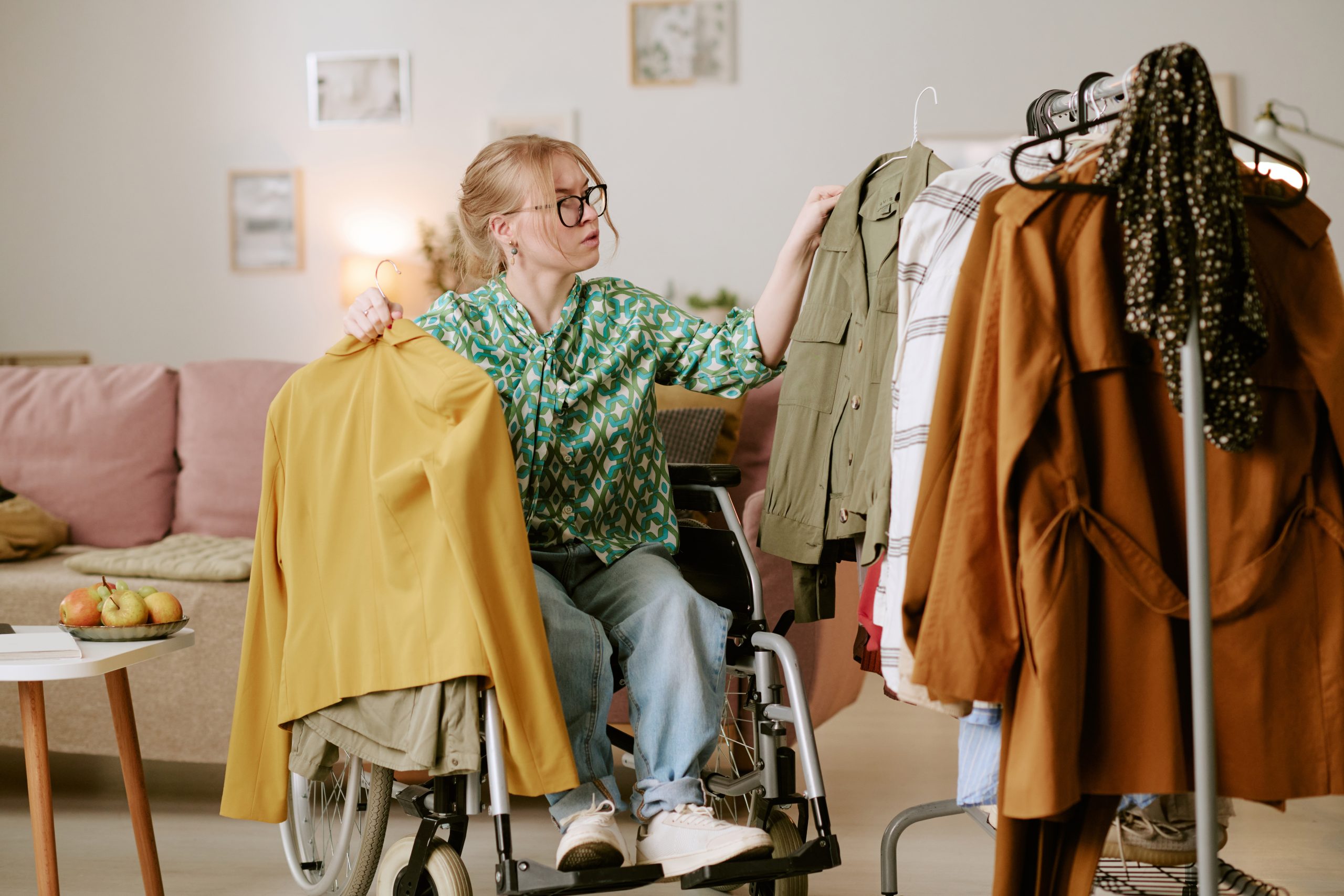
For many adults living with physical disabilities, the daily task of choosing and wearing clothes is more than just a routine; it’s a powerful statement of self-expression and independence. However, traditional clothing can often be a source of frustration, with small buttons, fiddly zippers, and tight openings that are difficult or even impossible to navigate. Adaptive clothing is specifically designed to eliminate these barriers, offering stylish and functional garments that prioritize ease of use, comfort, and social inclusion. In this guide, we’ll explore why adaptive clothing is such a vital tool for disabled adults in 2026, identify the key features that make it so effective, and provide tips for choosing a wardrobe that reflects your unique style and supports your autonomy. By investing in the right clothing, you’re not just simplifying a daily chore; you’re actively supporting your ability to stay active, comfortable, and confident in your own skin. Let’s look at how adaptive attire can turn a difficult morning into a positive and empowering start to the day.
The Benefit of Ease of Use and Social Inclusion
The primary advantage of adaptive clothing is its focus on making the dressing process as simple and painless as possible for adults with various types of disabilities. By incorporating features like magnetic closures, side-entry openings, and open-back designs, these garments bridge the gap for those who may have difficulty with standard styles. Furthermore, adaptive clothing allows for a greater degree of choice and autonomy, as individuals can continue to wear styles and colors they love without being limited by their physical abilities. This level of self-expression is vital for dignity and overall well-being.
Improving Safety and Confidence
A well-fitted and easy-to-wear adaptive garment provides a sense of security and autonomy for the individual. Knowing that they can get dressed on their own, even with some physical limitations, can boost their confidence and overall well-being. This independence can also have a positive ripple effect on other areas of their life, as it encourages them to stay active and engaged with their community. Adaptive clothing is more than just a tool; it’s a path for a better quality of life and a more secure daily routine.
Key Features of Quality Adaptive Clothing
Magnetic Buttons and Easy-Open Closures
Small, fiddly buttons can be extremely frustrating for those with limited hand strength or coordination. Adaptive shirts and trousers often feature magnetic closures that look like traditional buttons but snap together easily with minimal effort. This significantly reduces the dexterity required for dressing and can save an individual from needing help with their favorite garments. Other easy-open features like hook-and-loop (Velcro) fasteners and large, robust zippers are also common and effective.
Side-Entry and Open-Back Styles for Caregiver Ease
For individuals with very limited mobility or those who require assistance with dressing, side-entry and open-back garments are a game-changer. These styles allow the caregiver to dress the individual while they are sitting or lying down, without the need for excessive reaching or bending. This not only makes the process easier for the senior but also reduces the physical strain on the caregiver, which is essential for long-term health and safety.
Elastic Waistbands and Pull-On Designs
Struggling with standard belts or tight waistbands can be a major source of discomfort and difficulty. Adaptive pants and skirts often feature thick, soft elastic waistbands that provide a comfortable and secure fit without the need for complicated fasteners. Pull-on designs eliminate the need for zippers or buttons entirely, making them a practical and stylish choice for everyday use.
Functional Pockets and Device Access
Many adaptive garments also incorporate functional features specifically for disabled adults, such as pockets designed for carrying medical devices or easy-access openings for catheters or other needs. These thoughtful additions can significantly improve the wearer’s comfort and confidence while performing daily activities.
Comparison Table: Selecting the Best Adaptive Clothing Features
| Feature | Magnetic Buttons | Elastic Waistband | Side-Entry Style |
|---|---|---|---|
| Benefit | Master small fasteners easily | Comfort and ease of use | Simplified dressing for mobility |
| Target Task | Dressing Independence | Clothing Placement | Caregiver Assistance |
| Style Factor | Looks like standard buttons | Casual and Versatile | Functional and Discrete |
| Ease of Use | Very High | Highest | High (Requires assistance) |
Tips for Choosing Stylish and Functional Adaptive Clothing
- Assess Your Specific Mobility Needs: Where do you struggle most when getting dressed? Focus on adaptive features that address these specific needs first, whether it’s hand strength, bending, or overall mobility.
- Prioritize Soft, Breathable Materials: Choose garments made of natural, breathable fabrics that move with the body and provide all-day comfort. Avoid rough seams or itchy materials that could cause discomfort or irritation.
- Involve Yourself in the Design Selection: Whenever possible, choose styles and colors you love! Look for adaptive brands that offer a wide range of fashion-forward options that reflect your personality.
- Try Out Different Brands: There are many brands specializing in adaptive clothing for disabled adults. Experiment with a few different styles and sizes to see which ones provide the best fit and level of comfort for your specific journey.
Safety and Usage Tips for Adaptive Attire
- Ensure Proper Sizing: Garments that are too tight or too loose can be a trip hazard or cause discomfort. Always follow the manufacturer’s sizing charts and consider having items tailored if necessary.
- Maintain Cleanliness and Hygiene: Choose adaptive clothing that is easy to wash and durable. Regularly clean and sanitize high-touch areas like magnetic buttons or hook-and-loop fasteners.
- Practice Safe Transfers: Even with easy-to-wear clothing, always sit in a stable chair with armrests when dressing. This provides a secure base and reduces the risk of falls.
FAQs About Adaptive Clothing for Disabled Adults
1. Can I use adaptive clothing with a wheelchair?
Yes, many adaptive clothing styles are designed with wheelchair users in mind, featuring higher back rises on pants and open-back shirts that are easier to put on while seated.
2. Does Medicare cover adaptive clothing?
Generally, Medicare Part B does not cover adaptive clothing, as it’s considered a personal care item. However, some Medicare Advantage plans or private insurance may offer coverage if deemed medically necessary.
3. How do I know if my adaptive clothing fits correctly?
Check that the waistband is comfortable and doesn’t pinch or slide. Sleeves and pant legs should be the correct length to prevent trip hazards. If you’re unsure, consult the manufacturer’s sizing guide.
4. Are there adaptive shoes for disabled adults?
Yes, many adaptive shoe styles feature hook-and-loop (Velcro) closures, elastic laces, and extra-wide openings to make them easier to put on and take off for those with limited mobility.
5. Can I use a dressing aid with regular clothing?
Absolutely! Dressing aids like button hooks and sock aids are designed to bridge the gap for standard clothing, making them a great option for those who don’t yet require a full adaptive wardrobe.
Conclusion: Live Large in Comfort and Style
Adaptive clothing is more than just a convenience; it’s a vital tool for maintaining independence and self-expression. By choosing garments that are comfortable, easy to use, and suited to your specific mobility goals, you’re giving yourself the best possible support for a full and active life. Remember that the “right” clothing is the one that’s safe, supportive, and reliable for your unique journey. Stay active, stay engaged, and stay independent in your own home! A more mobile and independent life is within your reach!
Internal Link Suggestion: Read our detailed guide on Best Dressing Aids for Seniors for more independence tips.