
Bedside Commodes for Seniors: Safety and Convenience in the Bedroom
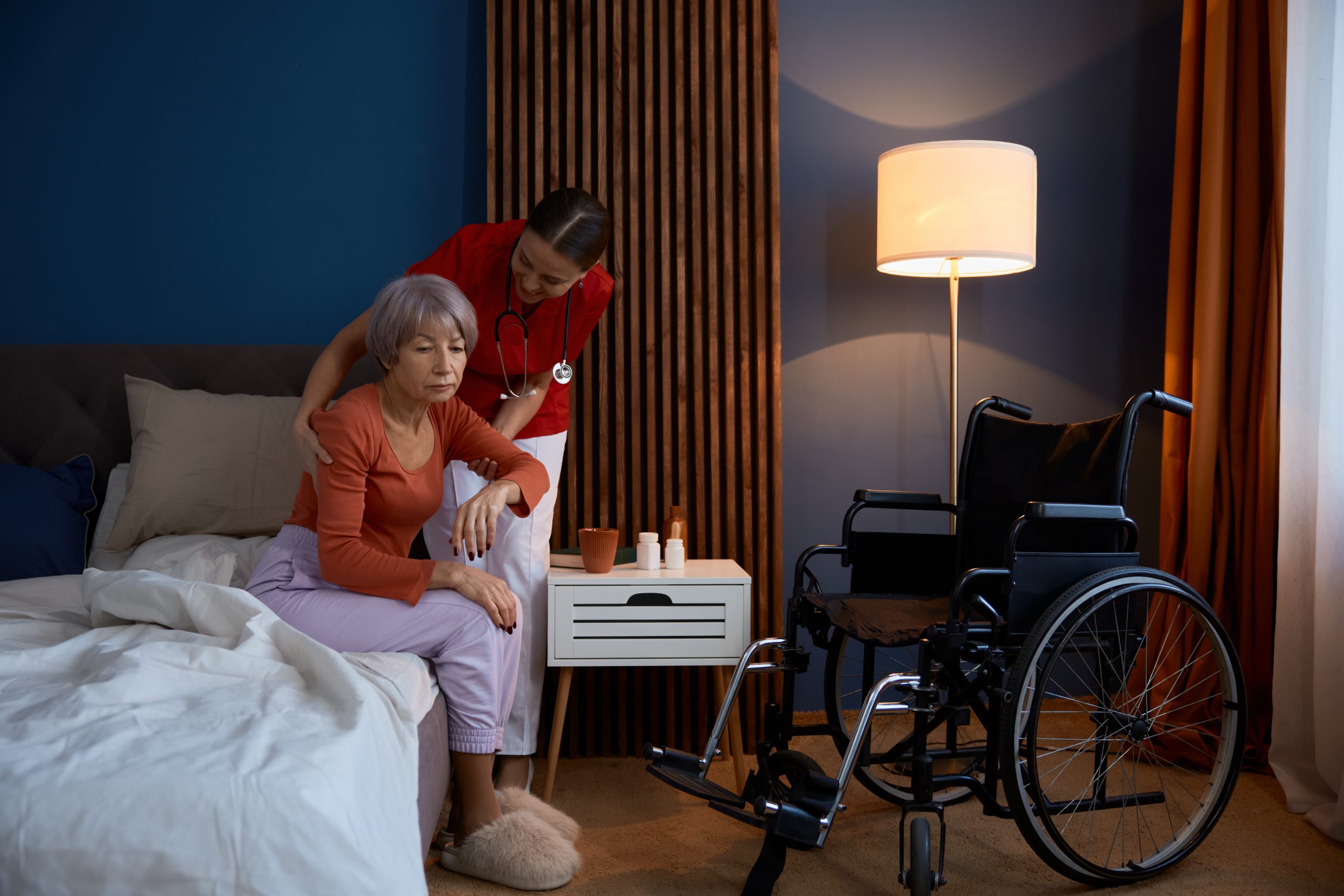
For many seniors, the daily task of personal care, particularly in the bedroom, can become increasingly challenging due to arthritis, limited mobility, or other health conditions. Getting to the bathroom safely and quickly can be difficult or even impossible without the right support. This is where bedside commodes come in, offering a wide range of simple yet ingenious tools that can restore a senior’s ability to manage their own personal hygiene without constant assistance. In this guide, we’ll explore why prioritizing simplicity in bedroom accessories is essential for a senior’s dignity and overall well-being, identify the key features of effective daily living tools, and provide tips for restoring your independence through choice and comfort. By investing in the right accessories, you’re not just simplifying a daily chore; you’re actively supporting your loved one’s ability to stay active and engaged with their world on their own terms. Let’s look at how small tools can turn a potentially stressful morning into a calm and successful start to your day.
The Benefit of Ease of Use and Consistency
The primary advantage of bedside commodes for seniors is their focus on reducing the physical effort and dexterity required for daily tasks. By providing a portable or secure seating platform, these devices bridge the gap for seniors who may struggle with reaching or fine motor control. Furthermore, a simplified bedroom routine can significantly reduce the risk of accidents and falls, as the senior doesn’t have to strain or lean in ways that could compromise their balance during the healing cycle. This level of support is vital for ensuring that seniors can continue to participate in daily activities and maintain their autonomy.
Improving Safety and Confidence
In addition to ease of use, a well-chosen bedroom tool provides a sense of security and autonomy for the senior. Knowing that they can manage this part of their personal care on their own, even with some physical limitations, can boost their confidence and overall well-being. This independence can also have a positive ripple effect on other areas of their recovery and overall well-being. A bedside commode is a powerful path for a better quality of life and a more secure daily routine.
Key Features of Quality Bedside Commodes
Adjustable Heights and Custom Fit
A high-quality bedside commode must feature adjustable heights and a custom-fit design that allows seniors to find the most comfortable and supportive position for transitions. This is especially important for seniors who may have difficulty sitting or standing from a very low seat. A reliable and well-designed adjustment system is essential for Maintaining safety.
Padded Seats and Integrated Armrests
For seniors with limited hand strength or mobility, a bedside commode with integrated padded handles and a comfortable seat provides essential support and stability while sitting and standing. These features allow you to use your arms to guide your movement and reduce the load on your legs. Look for models with thick-padded handles for added comfort and a non-slip surface for a more secure grip, especially when wet. A stable and well-supported seating position is essential for Maintaining safety.
Easy-to-Clean Materials and Removable Buckets
Since the bedside commode will be used daily, hygiene and ease of cleaning are paramount. Look for models made of high-quality, durable plastic and stainless steel that can be easily sanitized with standard household cleaners. The removable vessel or “bucket” should be easy to empty and replace, with a secure lid to prevent spills and odors. A clean and well-arranged bathroom is essential for Maintaining safety.
Weight Capacity and Durable Frames
Since the bedside commode will be used for significant weight support, durability is key. Most stainless steel or high-quality aluminum frames have a weight capacity ranging from 250 to 500 lbs, depending on the model and how they are installed. Look for commodes with a strong and reliable frame that can support your weight safely. A high-quality material is essential for maintaining safety.
Comparison Table: Selecting the Best Bedside Commode Features
| Feature | The Ergonomic Padded Commode | The Smooth Operation Seat | The Heavy-Duty Bariatric Commode |
|---|---|---|---|
| Handle Type | Integrated Armrests | N/A (Standard Seat) | Available with Handles |
| Weight Capacity | 300 – 450 lbs | Up to 300 lbs | Up to 1000 lbs |
| Ease of Use | Very High | High | Very High |
| Independence Level | Highest | Highest | Highest |
Tips for Choosing the Best Bedside Commodes
- Assess Most Significant Challenges: Where does the senior struggle most in the bedroom? Is it with balance, strength, or reaching for items? Focus on the accessories that address their most significant concerns first.
- Prioritize Non-Slip Surfaces: Ensure that all equipment, especially the handles and surfaces of your bedroom accessories, has a high-quality, non-slip design. This is essential for preventing accidents in a potentially dark and carpeted environment.
- Involve the Senior: Whenever possible, include your loved one in the decision-making process. Let them try out different tools and strategies to see which ones they find most useful and easy to handle.
- Consult with Your Rehabilitation Team: If the senior is recovering from a stroke or procedure, work closely with your physical and occupational therapists to determine the most appropriate type of accessories and features for their specific goals.
Safety and Usage Tips for Bedroom Tools
- Regular Maintenance: Check the various components of your accessories for any signs of wear or damage. Ensure the removable bucket and any under-bed lighting remain securely fastened and that any decorative covers are in good condition.
- Maintain Good Lighting: Ensure the bedroom area is well-lit, especially in areas where you use your safety equipment.
- Practice Safe Transfers: Always sit in a stable chair with armrests when dressing. This provides a secure base and reduces the risk of falls.
FAQs About Bedside Commodes for Seniors
1. Can I use a bedside commode for all types of seniors?
Yes, bedside commodes are versatile and can be used by seniors with a wide range of mobility levels. However, the specific type and size of the commode should always be tailored to the individual’s needs.
2. Does Medicare cover bedside commodes?
Generally, Medicare Part B covers bedside commodes if they are deemed medically necessary and prescribed by a doctor as Durable Medical Equipment (DME). However, it is always recommended to check with your insurance provider for specific coverage details.
3. How do I know if my armrests are the right height?
The armrests should be at a height where they can be easily reached and operated while sitting or standing comfortably at the bed or sink. Most standard heights are suitable for a wide range of users.
4. Are there bedside commodes for seniors with only one hand?
Yes, many bedside commodes are designed with various support features that can be managed effectively even by those with limited function on one side.
5. Can I use a bedside commode for travel?
While most bedside commodes are designed for home use, there are some portable, folding models available that can be more convenient for travel.
Conclusion: Stay Independent in Your Personal Care
Bedside commodes are more than just a convenience; they are a vital tool for maintaining independence and dignity in your daily routine. By choosing the models that best address your loved one’s specific challenges and following the tips outlined in this guide, you’re giving your family the best possible support for aging in place safely. Remember that a well-chosen safety aid is more than just a tool; it’s a path for a better quality of life and a more secure daily routine. Stay active, stay engaged, and stay independent in your own home! A more mobile and independent life at home is within your reach!
Internal Link Suggestion: Read our detailed guide on Best Dressing Aids for Seniors for more independence tips.