
Daily Living Tools That Improve Independence: Empowering Seniors in Every Task
For many seniors, the daily task of personal care, particularly getting dressed, is more than just a routine; it’s a powerful statement of independence. However, as we age, physical limitations like arthritis, limited mobility, or stroke recovery can make these simple tasks increasingly difficult. This is where daily living tools come in, offering a wide range of simple yet ingenious devices that can restore a senior’s ability to choose their own clothes and maintain their home without constant assistance. In this guide, we’ll explore the best daily living tools for seniors in 2026, focusing on features like long handles, easy-grip designs, and customized support for various physical needs. By investing in the right tools, you’re not just simplifying a daily chore; you’re actively supporting your loved one’s ability to stay active and engaged with their world on their own terms. Let’s look at how these tools can turn a potentially stressful morning into a calm and successful start to your day.
The Benefit of Weight Distribution and Independence
The primary advantage of daily living tools is their focus on reducing the physical effort and dexterity required for daily tasks. Tools like dressing sticks, reachers, and long-handled shoehorns bridge the gap for seniors who cannot reach their feet or manipulate small fasteners. Furthermore, using these aids can significantly reduce the risk of accidents and falls, as the senior doesn’t have to strain or lean in ways that could compromise their balance during the healing process.
Improving Safety and Confidence
In addition to ease of use, a well-chosen daily living tool provides a sense of security and autonomy for the senior. Knowing that they can manage this part of their dressing on their own, even with some physical limitations, can boost their confidence and overall well-being. This independence can also have a positive ripple effect on other areas of their life, as it encourages them to stay active and engaged with their community. A daily living tool is a powerful path for a better quality of life and a more secure daily routine.
Key Daily Living Tools for Independence
Reachers and Grabbers: Expanding Your Capabilities
For seniors who have trouble bending or reaching high shelves, a reacher or grabber tool is a game-changer. These mechanical aids feature a long handle and a trigger-operated claw that can grasp items securely from a distance. Most reachers are 26-32 inches long and have lightweight, durable frames. They are an essential tool for maintaining household independence and safety.
Dressing Sticks: Your Multi-Purpose Assistant
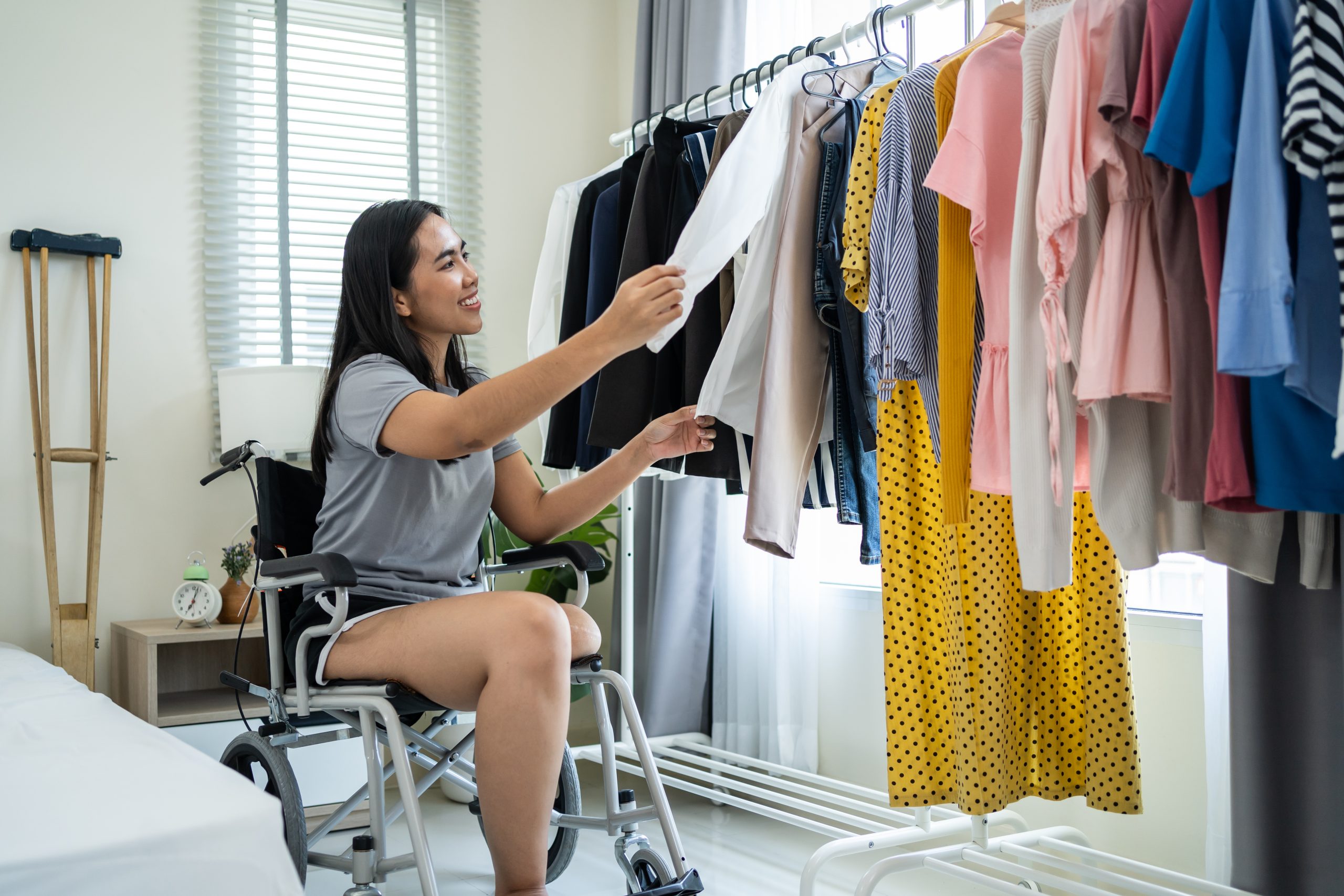
A dressing stick is a versatile tool with hooks and loops on either end. It can be used to pull up pants, push off socks, or reach for clothing items on hangers from a distance. This reduces the physical strain on your back and shoulders while assisting you throughout your daily dressing routine. A dressing stick is an excellent multi-purpose choice for overall independence.
Long-Handled Shoehorns and Sock Aids
Reaching down to reach the feet is often a major challenge for some seniors. A long-handled shoehorn (18-24 inches) and a flexible sock aid can bridge the gap, allowing the senior to put on their footwear while sit upright. This simple tool provides a safe and effective way to manage their footwear independently, which is essential for overall safety and mobility Throughout the day.
Swivel Cushions and Lever Faucets
While not a dressing tool in the traditional sense, a swivel cushion can make it much easier for a senior to transition from sitting to standing or vice-versa. This can be especially helpful in a confined dressing area or when moving between a bed and a chair. Leveraging standard knob faucets with easier lever-style handles also significantly reduces the hand strength required for daily tasks like handwashing or personal hygiene.
Comparison Table: Selecting the Best Daily Living Tool Features
| Feature | The Standard Reacher | The All-Purpose Dressing Stick | The Extra-Long Shoehorn |
|---|---|---|---|
| Handle Type | Trigger-Operated Claw | Durable Plastic Grip | Extended Reach Handle |
| Weight Capacity | Lightweight (1-2 lbs) | Standard | Standard |
| Ease of Use | Very High | High | Very High |
| Independence Level | Highest | Highest | Highest |
Tips for Choosing the Right Tools for Independence
- Assess Most Significant Challenges: Where do the senior struggle most when getting dressed or performing daily tasks? Focus on the tools and strategies that address their most significant issues first.
- Prioritize Soft, Non-Slip Grips: For those with limited hand strength, choose tools with thick-padded, non-slip handles. These provide a larger surface area for your hands to grasp and require less pressure for use.
- Involve the Senior: Whenever possible, include your loved one in the decision-making process. Let them try out different strategies and tools to see which ones they find most useful and easy to handle.
- Try Out Different Brands: There are many brands specializing in daily living aids. Experiment with a few different styles and sizes to see which ones provide the best fit and level of comfort for your loved one’s specific journey.
Safety and Usage Tips for Daily Living Tools
- Maintenance and Cleanliness: Regularly clean and sanitize high-touch areas like handles and hooks. Check the tools periodically for any signs of wear or damage.
- Maintain Good Lighting: Ensure the areas where you use your tools, such as the dressing area or kitchen, are well-lit.
- Practice Safe Transfers: Always engage the brakes on any wheelchair or mobility aid before attempting any dressing or reaching movements.
FAQs About Daily Living Tools for Seniors
1. Can I use a dressing aid for compression stockings?
Yes, there are specialized “compression stocking aids” with more robust frames and longer handles designed specifically to handle the high tension of medical-grade hosiery.
2. Does Medicare cover daily living tools?
Generally, Medicare Part B does not cover small items like dressing sticks or shoehorns. However, some Medicare Advantage plans or private insurance may offer coverage if deemed medically necessary for a specific condition.
3. How do I know if my dressing stick is the right length?
A dressing stick should be long enough to reach the senior’s feet while sitting upright. Most models range from 24-30 inches, which is suitable for most users.
4. Are there reachers for seniors with only one hand?
Yes, many reacher tools are designed specifically for one-handed use, providing a safe and effective way for seniors with limited function on one side to manage their environment independently.
5. Can I use a dressing aid with regular clothing?
Absolutely! Dressing aids like button hooks and sock aids are designed to bridge the gap for standard clothing, making them a great option for those who don’t yet require a full adaptive wardrobe.
Conclusion: Stay Independent in Your Personal Care
Developing a dressing routine that addresses your specific needs is a powerful way to maintain independence and a high quality of life. By choosing the models that best address your loved one’s specific challenges and following the tips outlined in this guide, you’re giving your family the best possible support for a safe and active life at home. Remember that a well-chosen dressing aid is more than just a convenience; it’s a path for a better quality of life and a more secure daily routine. Stay active, stay engaged, and stay independent in your own home! A more mobile and independent life is within your reach!
Internal Link Suggestion: Read our detailed guide on Best Dressing Aids for Seniors for more independence tips.