
Grab Bars for Bathroom Safety: A Senior Guide to Fall Prevention
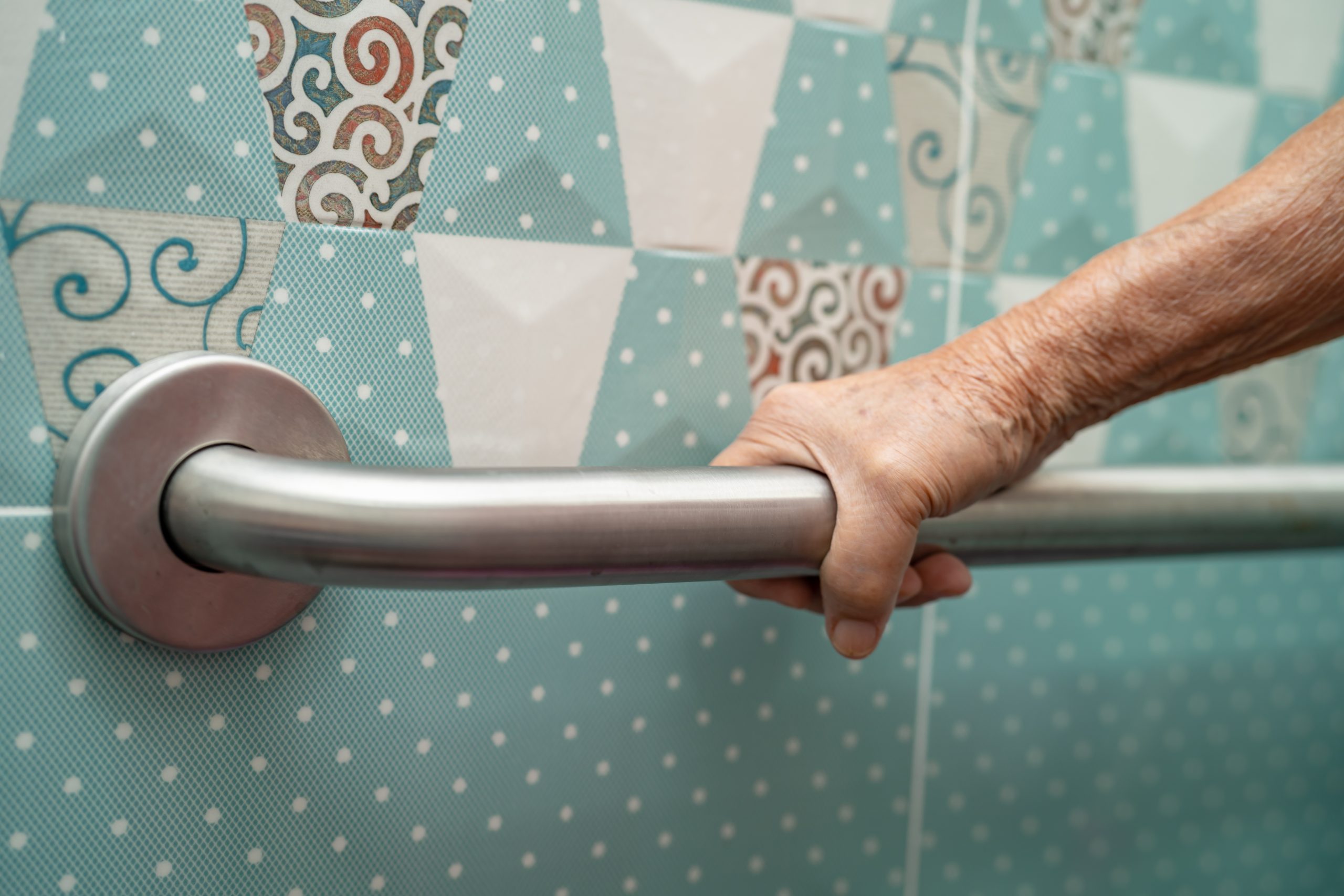
For many seniors, the bathroom can be one of the most hazardous rooms in the home. Slippery surfaces, tight spaces, and the need for frequent mounting and dismounting from fixtures create a high risk of slips, trips, and falls. However, by incorporating the right safety tools, it’s possible to turn a dangerous area into a safe and independent sanctuary. Grab bars are perhaps the most essential piece of bathroom safety equipment, providing stability, support, and ease of used. These sturdy metal or plastic bars are securely fastened to the wall near the shower, tub, or toilet, offering a reliable point for the senior to hold onto during transitions. In this guide, we’ll explore why grab bars are a must-have for seniors in 2026, identify the key features of the best models, and provide tips for choosing the most supportive placement in your bathroom. By investing in the right grab bars, you’re not just simplifying a daily chore; you’re actively supporting your loved one’s ability to stay active and engaged with their world on their own terms. Let’s look at how these bars can turn a potentially stressful morning into a calm and successful start to your day.
The Benefit of Weight Distribution and Independence
The primary advantage of a grab bar is its ability to reduce the physical effort and dexterity required for using standard bathroom fixtures. By providing a stable and secure point for holding, these bars bridge the gap for seniors who may struggle with balance or strength while sitting or standing up. Furthermore, using a grab bar can significantly reduce the risk of accidents and falls, as the senior doesn’t have to strain or lean in ways that could compromise their balance during the bathing or toileting cycle. This level of support is vital for ensuring that seniors can continue to participate in daily activities and maintain their dignity.
Improving Safety and Confidence
A well-fitted and easy-to-use grab bar provides a sense of security and autonomy for the senior. Knowing that they can manage this part of their personal care on their own, even with some physical limitations, can boost their confidence and overall well-being. This independence can also have a positive ripple effect on other areas of their recovery and overall well-being. A grab bar is more than just a tool; it’s a vital part of your daily routine.
Key Features of Quality Grab Bars
Non-Slip Surfaces and Textured Grips
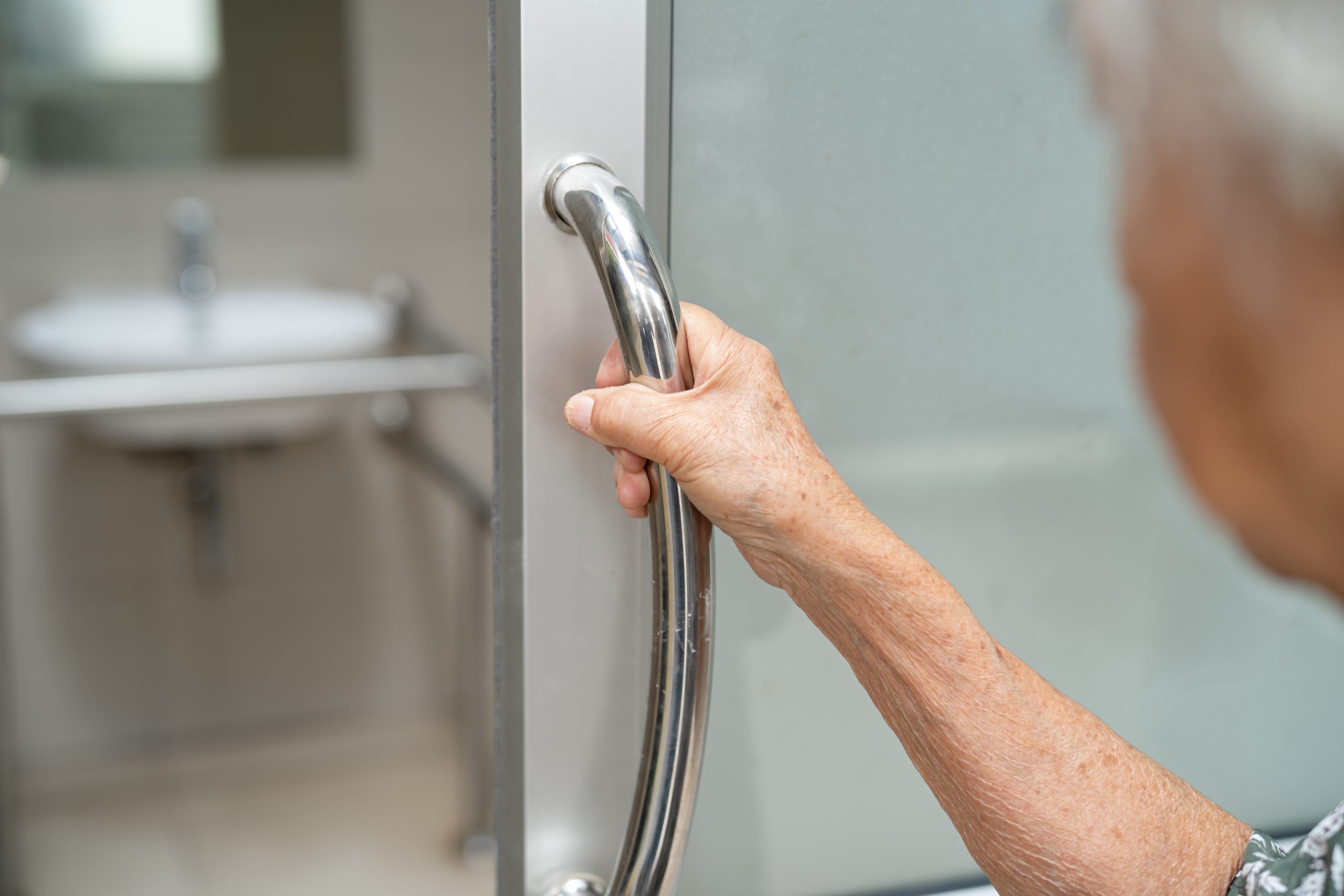
A high-quality grab bar must be stable and secure in a wet environment. Look for bars with a textured or “peeled” surface that provides a secure, non-slip grip even when your hands are wet. Avoid smooth, polished bars that can become slippery and dangerous in the shower or tub. A secure and reliable surface is essential for maintaining safety.
Weight Capacity and Durable Materials
Since the grab bar will be used for significant weight support, durability is key. Most stainless steel or high-quality aluminum grab bars have a weight capacity ranging from 250 to 500 lbs, depending on the model and how they are installed. Look for bars with a strong and reliable frame that can support your weight safely. A high-quality material is essential for maintaining safety.
Various Lengths and Designs
The length and shape of the grab bar are also important for ensuring a comfortable and effective pull. Most standard grab bars are 12-42 inches long, but larger or even L-shaped models are available for those who require additional support. Look for a bar length that provides a comfortable reach while sitting or standing at your specific fixture. A well-designed and appropriately-sized grab bar is essential for maintaining safety.
Secure Installation and Wall Anchors
A grab bar is only as safe as its installation. Look for bars that specify a secure mounting system and include high-quality wall anchors. It’s often recommended to have grab bars professionally installed to ensure they are securely anchored into wall studs, providing the most stable and reliable base of support for the user. A secure and professional installation is essential for maintaining safety.
Comparison Table: Selecting the Best Grab Bar Features
| Feature | The Heavy-Duty Grab Bar | The Textured-Grip L-Bar | The Standard Straight Bar |
|---|---|---|---|
| Handle Type | Textured Non-Slip Grip | Available with Handles | N/A (Standard Grip) |
| Weight Capacity | Up to 500 lbs | 300 – 450 lbs | Up to 300 lbs |
| Ease of Use | Very High | High | Very High |
| Independence Level | Highest | Highest | Highest |
Tips for Choosing the Best Grab Bars for Your Bathroom
- Assess Most Significant Challenges: Where does the senior struggle most in the bathroom? Is it with balance, strength, or reaching for items? Focus on the bars that address their most significant concerns first.
- Prioritize Non-Slip Surfaces: Ensure that all equipment, especially the bar’s surface, has a high-quality, non-slip texture. This is essential for preventing accidents in a wet environment.
- Involve the Senior: Whenever possible, include your loved one in the decision-making process. Let them try out different tools and strategies to see which ones they find most useful and easy to handle.
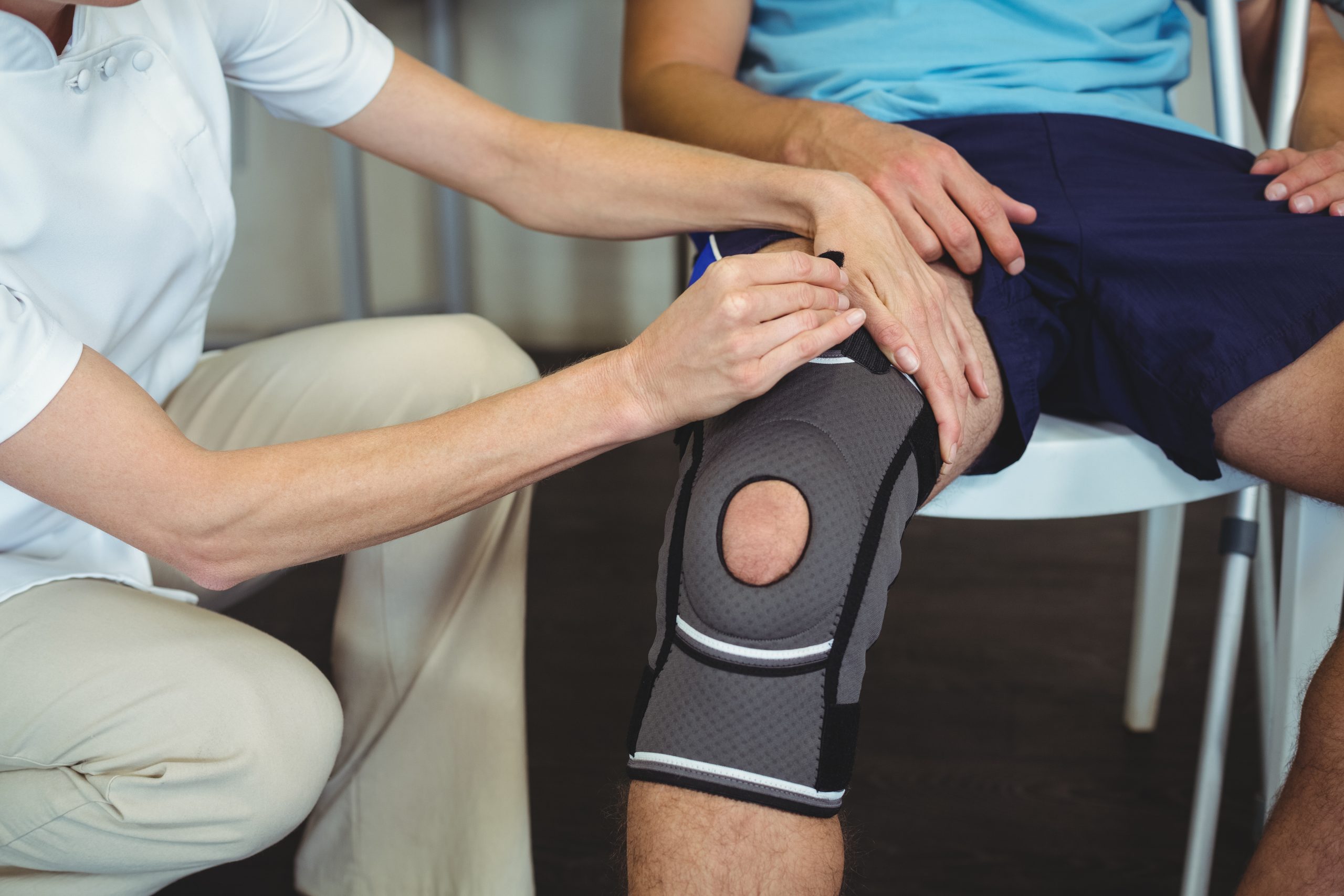
- Consult with Your Rehabilitation Team: If the senior is recovering from a stroke or procedure, work closely with your physical and occupational therapists to determine the most appropriate type of equipment and features for their specific goals.
Safety and Usage Tips for Grab Bars
- Regular Maintenance: Check the various components of your bars for any signs of wear or damage. Ensure the bars remain securely fastened to the wall and that any decorative covers are in good condition.
- Maintain Good Lighting: Ensure the bathroom is well-lit, especially in areas where you use your safety equipment.
- Practice Safe Transfers: Always sit in a stable chair with armrests when dressing. This provides a secure base and reduces the risk of falls.
FAQs About Grab Bars for Seniors
1. Can I use a grab bar for all types of seniors?
Yes, grab bars are versatile and can be used by seniors with a wide range of mobility levels. However, the specific type and length of the bar should always be tailored to the individual’s needs and the specifics of the bathroom layout.
2. Does Medicare cover grab bars?
Generally, Medicare Part B does not cover grab bars, as they are considered “home modifications” rather than medically necessary Durable Medical Equipment (DME). However, some Medicare Advantage plans or private insurance may offer coverage.
3. How do I know if my grab bar is securely fastened?
Regularly check the bars for any signs of loosening or damage. If a bar feels unstable or “gives” when you pull on it, have it professionally inspected or replaced immediately.
4. Are there grab bars for seniors with only one hand?
Yes, many grab bars are designed with various support features that can be managed effectively even by those with limited function on one side.
5. Can I use a grab bar for travel?
While most grab bars are designed for permanent installation, there are some portable, suction-cup models available. However, these are generally not recommended for heavy weight-bearing and should be used with extreme caution.
Conclusion: Stay Independent in Your Personal Care
A grab bar is more than just a convenience; it’s a vital tool for maintaining independence and dignity in your daily routine. By choosing the models that best address your loved one’s specific challenges and following the tips outlined in this guide, you’re giving your family the best possible support for aging in place safely. Remember that a well-chosen safety aid is more than just a tool; it’s a path for a better quality of life and a more secure daily routine. Stay active, stay engaged, and stay independent in your own home! A more mobile and independent life at home is within your reach!
Internal Link Suggestion: Read our detailed guide on Best Dressing Aids for Seniors for more independence tips.