
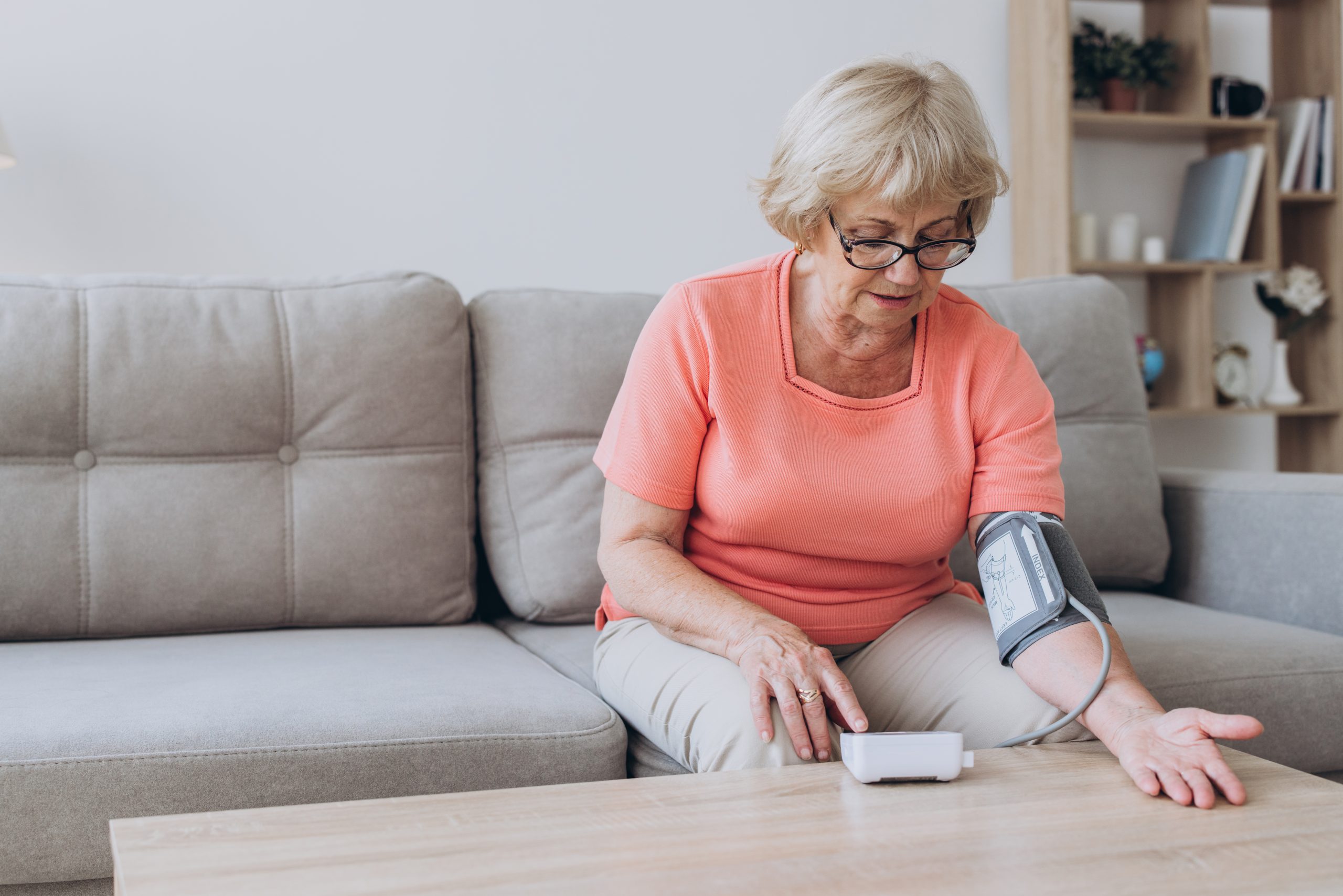
How to Use a Blood Pressure Monitor at Home: A Guide for Seniors and Caregivers
For many family caregivers, the common challenges of a senior loved one’s heart health can be physically and emotionally draining. Understanding how to correctly use a blood pressure monitor at home has become a vital part of staying active and engaged with their world, offering a wide range of support, from proper positioning and accurate cuff usage to specialized nursing and rehabilitation. These monitors can provide expert-led training and consistent support for both you and your loved one, ensuring their dignity and overall well-being. In this guide, we’ll explore why prioritizing simplicity in blood pressure monitoring is essential for a senior’s dignity and overall well-being, identify the key steps for effective home monitoring, and provide tips for restoring your independence through choice and comfort. By learning how to use your monitor correctly, you’re not just taking a reading; you’re actively supporting your loved one’s ability to stay active and engaged with their world on their own terms. Let’s look at how small tools can turn a potentially stressful daily task into a calm and successful start to your day.
The Benefit of Ease of Use and Consistency
The primary advantage of correctly using a blood pressure monitor at home is its focus on reducing the physical and emotional burden required for daily health tracking. By providing consistent and reliable support, home blood pressure monitors bridge the gap for seniors and families who may struggle with the complexities of Managing chronic health conditions or terminal illness. Furthermore, a simplified monitoring routine can significantly reduce the risk of accidents and falls, as the senior doesn’t have to strain or lean in ways that could compromise their balance during an episode of dizziness. This level of support is vital for Ensuring that seniors can continue to participate in daily activities and maintain their autonomy.
Improving Safety and Confidence
In addition to ease of use, a well-chosen medical tool provides a sense of security and autonomy for both the senior and the family. Knowing that they can manage this part of their personal care on their own, even with some physical limitations, can boost their confidence and overall well-being. This independence can also have a positive ripple effect on other areas of their recovery and overall well-being. Using your monitor correctly is a powerful path for a better quality of life and a more secure daily routine house.
Key Steps for Quality Blood Pressure Monitoring
Proper Positioning and Accurate Cuff Usage
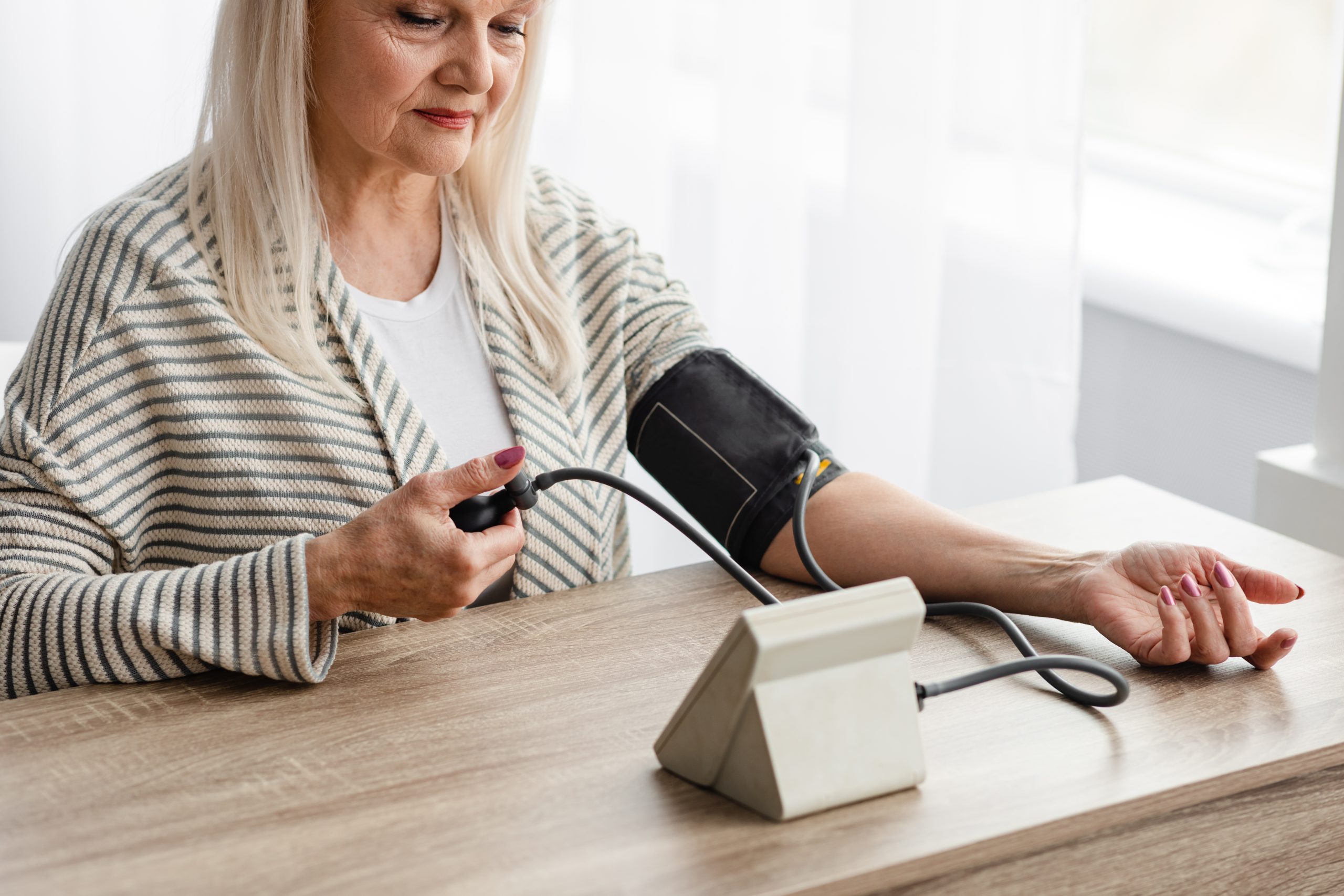
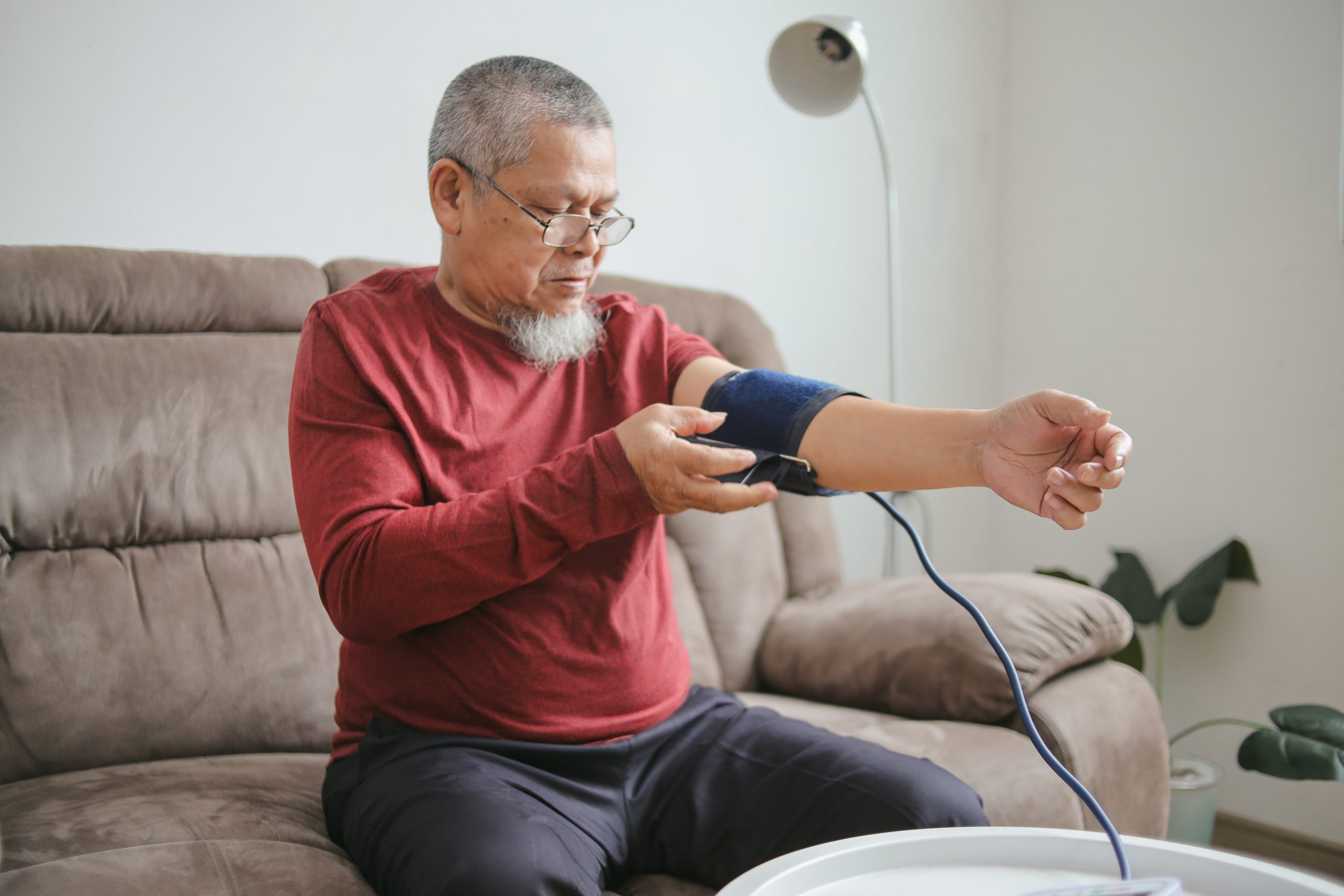
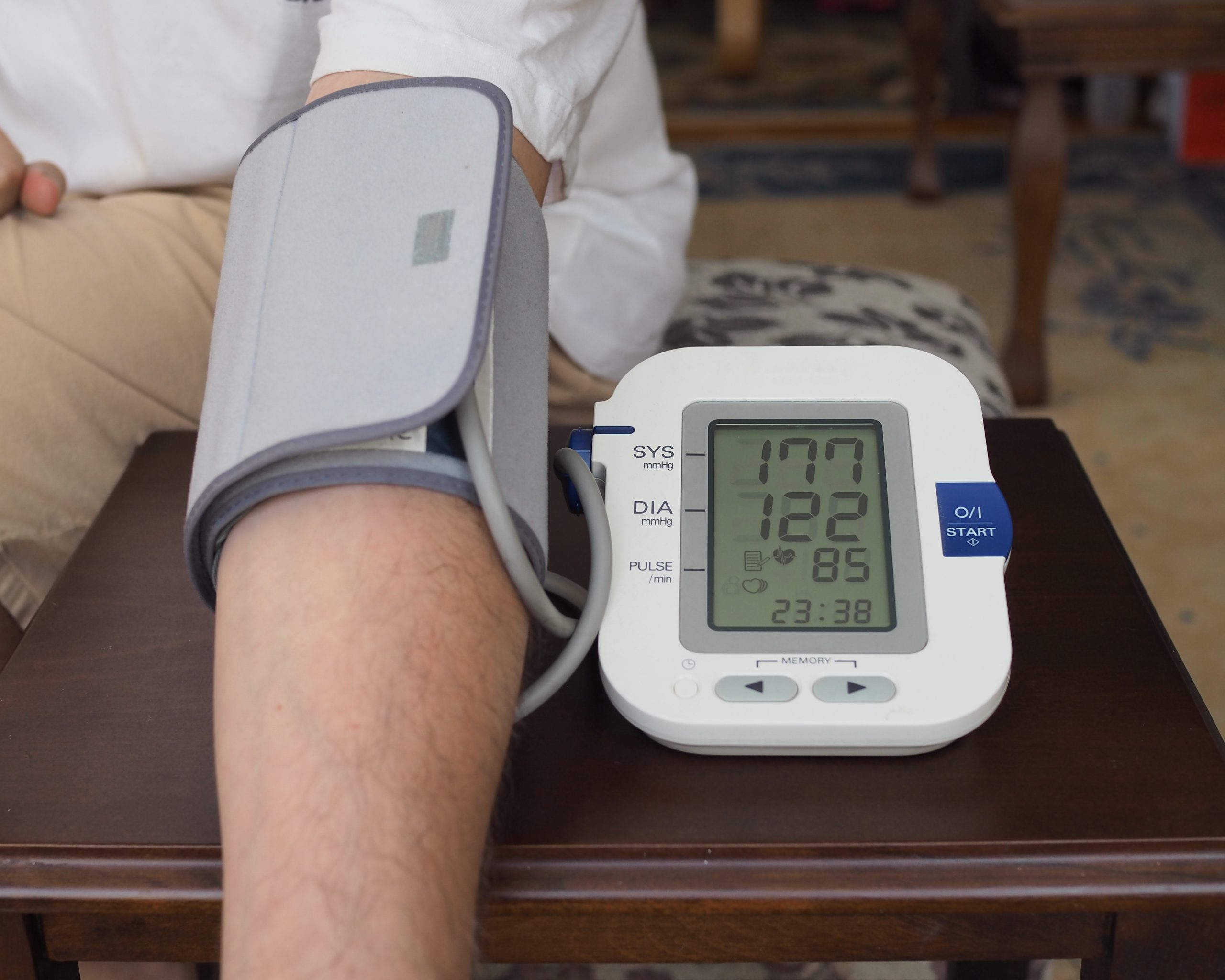
A high-quality blood pressure monitoring plan must feature proper positioning and accurate cuff usage that allow seniors and families to receive the most effective comfort and support. This includes features like sitting in a stable chair with back support, keeping footprints flat on the floor, and wrapping the cuff snugly around the upper arm. A reliable and well-designed support system is essential for Maintaining safety.
Specialized Care and Personalized Support
For seniors with complex health needs, a blood pressure monitoring plan with specialized care and personalized support provides essential support and stability. These monitors can help with various treatments, from hypertension management and physical therapy to specialized heart health support. Look for monitors with thick-padded handles for added comfort and a non-slip surface for a more secure grip, especially when wet. A stable and well-supported seating position is essential for Maintaining safety.
Integrated Alerts and Multi-User Capabilities
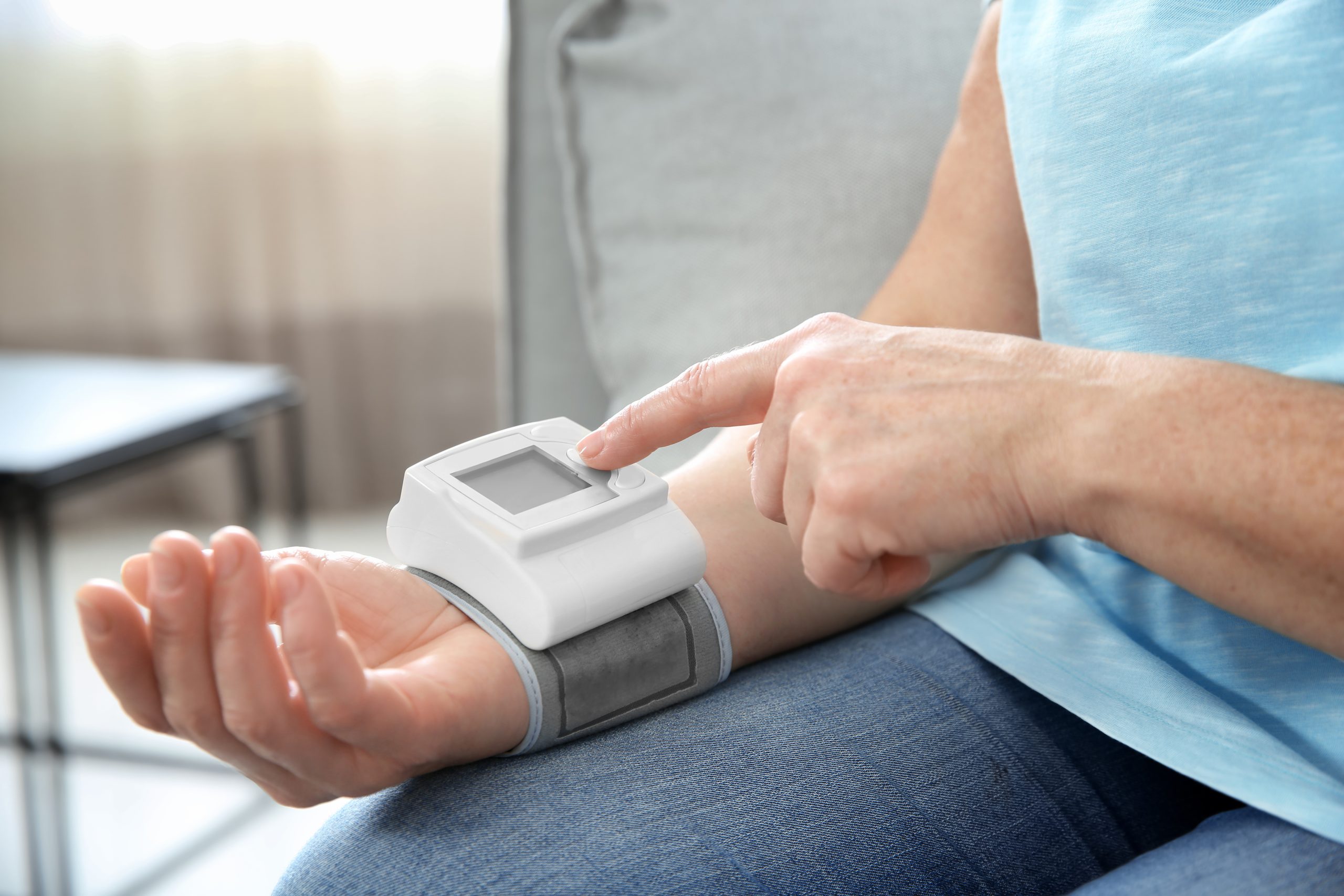
Modern blood pressure monitors often involve integrated alerts and multi-user capabilities, allowing multiple family members and professionals to easily track their loved one’s health over time. Some monitors even feature integrated automatic averaging and indicators for irregular heartbeats for added convenience and accuracy. These features significantly reduce the physical effort required for bathing and help keep the area organized and safe. A well-designed and appropriately-sized tool is essential for Maintaining safety.
Weight Capacity and Durable Components
Since the various blood pressure monitor accessories will be used daily, durability is key. Look for monitors made of high-quality stainless steel or heavy-duty plastic that can support the user’s needs safely. Most standard monitors are designed for high-frequency use throughout the day. A strong and reliable frame provides a more secure and long-lasting user experience. A high-quality material is essential for Maintaining safety house.
Comparison Table: Selecting the Best Usage Features
| Feature | The Ergonomic Elevation Tool | The Smooth Operation Seat | The Heavy-Duty Monitoring System |
|---|---|---|---|
| Handle Type | Integrated Wireless Remote | N/A (Standard Switch) | Available with Handles |
| Weight Capacity | N/A (Hand Tool) | Up to 1 lb | Up to 5 lbs |
| Ease of Use | Very High | High | Very High |
| Independence Level | Highest | Highest | Highest |
Tips for Using the Best Blood Pressure Monitors
- Assess Most Significant Challenges: Where does the family struggle most in managing the senior’s heart health? Is it with accurate readings, cuff comfort, or specific health conditions? Focus on the monitors that address their most significant concerns first.
- Prioritize Non-Slip Surfaces: Ensure that all equipment, especially the handles and surfaces of your monitoring accessories, has a high-quality, non-slip design. This is essential for preventing accidents in a potentially dark and carpeted environment.
- Involve the Senior: Whenever possible, include your loved one in the decision-making process. Let them try out different monitors and how they feel during a reading to see which ones they find most comfortable.
- Consult with Your Rehabilitation Team: Work closely with your healthcare providers to determine the most appropriate type of blood pressure monitor and strategies for their specific goals.
Safety and Usage Tips for Monitoring Tools
- Regular Maintenance: Check the various components of your monitor for any signs of wear or damage. Ensure the wireless remote and any under-bed lighting remain securely fastened and that any decorative covers are in good condition.
- Maintain Good Lighting: Ensure the monitoring area is well-lit, especially in areas where you use your safety equipment.
- Practice Safe Transfers: Always sit in a stable chair with armrests when taking a reading. This provides a secure base and reduces the risk of falls.
FAQs About Using Blood Pressure Monitors for Seniors
1. Can I use blood pressure monitors for all types of seniors?
Yes, blood pressure monitors are versatile and can be used by families with a wide range of mobility levels and health conditions. However, the specific type and features of the monitor should always be tailored to the individual’s needs.
2. Does Medicare cover blood pressure monitor training?
Generally, Medicare Part B does not cover small items like family blood pressure monitor training, as it is considered “personal care” or “home wellness.” However, some home health services may offer instruction under certain conditions.
3. How do I know if my wireless remote is the right height?
The remote or handle should be at a height where it can be easily reached and operated while sitting or standing comfortably throughout the home. Most standard heights are suitable for a wide range of users house.
4. Are there blood pressure monitors for seniors with only one hand?
Yes, many professional blood pressure monitors are designed with various support features that can be managed effectively even by those with limited function on one side.
5. Can I use a blood pressure monitor for travel?
While most professional blood pressure monitors are designed for home use, there are some portable, travel-friendly options available that can be more convenient for travel.
Conclusion: Stay Independent in Your Personal Care
Learning how to use a high-quality blood pressure monitor is more than just a convenience; it’s a vital part of Maintaining heart health and dignity for both yourself and your loved one in their daily routine. By choosing the models that best address your family’s specific challenges and following the tips outlined in this guide, you’re giving your loved one the best possible support for aging in place safely. Remember that a well-chosen safety aid is more than just a tool; it’s a path for a better quality of life and a more secure daily routine house. Stay active, stay engaged, and stay independent in your own home! A more mobile and independent life at home is within your reach!
Internal Link Suggestion: Read our detailed guide on Best Dressing Aids for Seniors for more independence tips.