
Wheelchair Accessibility Tips at Home: Creating a Safe and Independent Living Space
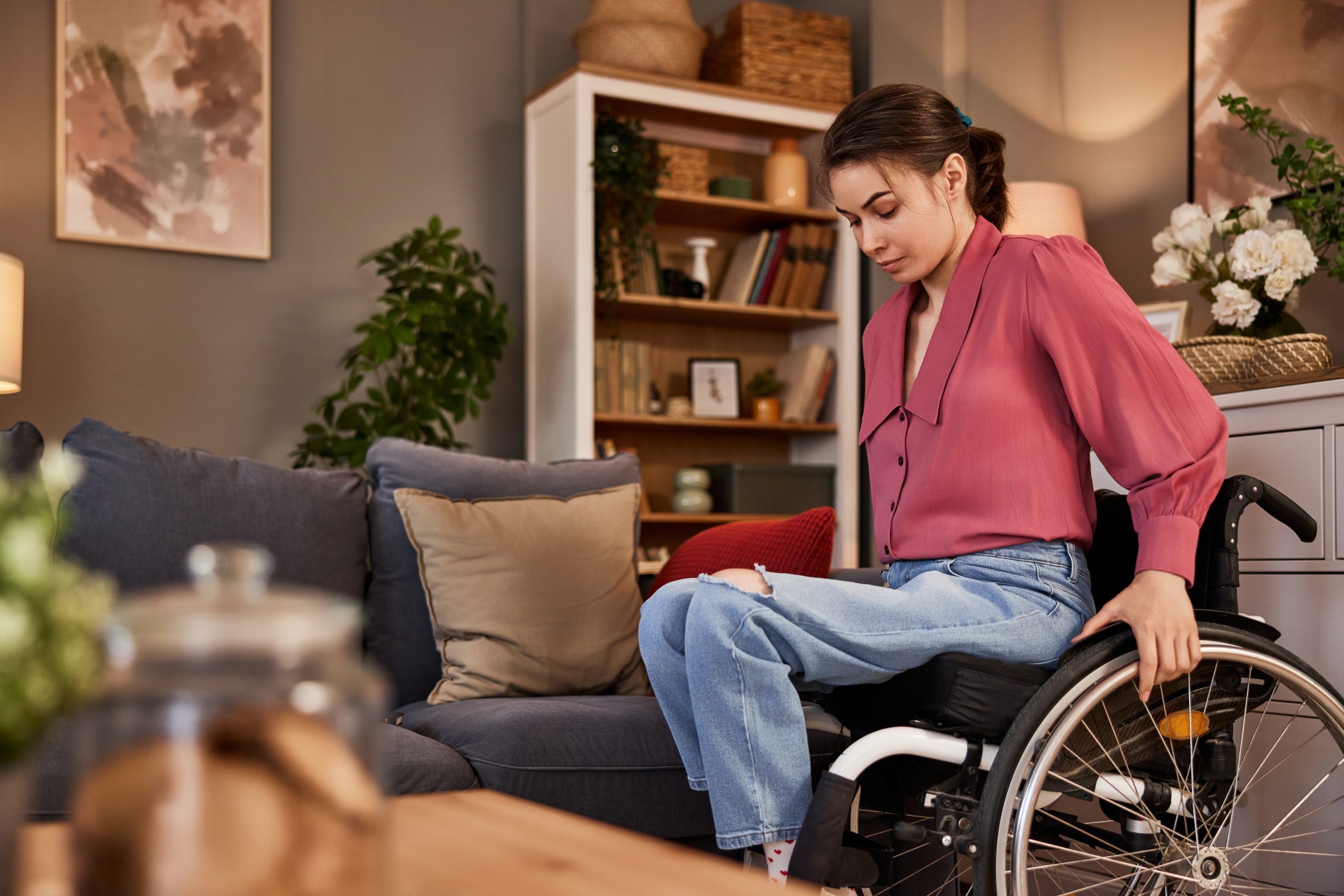
For seniors who use a wheelchair, the layout and design of their home can significantly impact their level of independence and safety. A house that’s not accessible can become a series of obstacles, making daily tasks difficult and increasing the risk of falls. However, with some thoughtful modifications and the right equipment, it’s possible to create a safe and supportive living space that allows a senior to continue aging in place with confidence. In this guide, we’ll explore essential wheelchair accessibility tips for your home, from simple adjustments like widening doorways to more significant upgrades like installing ramps and modifying bathrooms. By prioritizing accessibility, you’re not just improving your loved one’s physical environment; you’re actively supporting their independence and quality of life.
The Benefit of Home Accessibility
The primary advantage of making a home wheelchair accessible is, of course, the increased safety for the user. Accessible features like ramp entries and grab bars in the bathroom significantly reduce the risk of accidents and falls. Furthermore, an accessible home promotes independence by allowing the senior to perform daily tasks like bathing, dressing, and cooking more easily and with less assistance. This level of autonomy can boost a senior’s confidence and overall well-being.
Improving Longevity and Peace of Mind
Creating an accessible living space also provides peace of mind for both the senior and their caregivers. Knowing that the home is a safe and supportive environment can reduce anxiety and encourage the senior to stay active and engaged with their daily routine. Accessibility modifications are an investment in the senior’s future and their ability to stay in the home they love for as long as possible.
Essential Wheelchair Accessibility Tips
Widening Doorways and Hallways
Standard doorways are often too narrow for a wheelchair to navigate through easily. Widening doorways to at least 32-36 inches allows for safe and smooth passage. If a full remodel isn’t possible, “swing-away” hinges can be installed on existing doors to provide an extra inch or two of clearance.
Installing Ramps for Easy Entry
Ramps are essential for seniors who have difficulty with even one or two steps. Portable ramps are great for temporary needs or travel, while permanent ramps made of wood or aluminum provide a more stable and durable solution for primary home access. Ensure the ramp has a gentle slope (usually 1 foot of length for every 1 inch of rise) and features non-slip surfaces and handrails.
Modifying the Bathroom for Safety
- Install Grab Bars: Add sturdy grab bars near the toilet and in the shower or bathtub to provide essential support when transitioning from the wheelchair to other surfaces.
- Curbless Showers: A curbless (zero-entry) shower allows the user to roll directly in without having to step over a high threshold. This significantly reduces the risk of slips and falls in the bathroom.
- Higher Toilet Seats: Installing a higher, “comfort-height” toilet seat can make it much easier for a senior to sit and stand during personal hygiene tasks.
Improving Kitchen Accessibility
In the kitchen, consider lowering some countertops or having “pull-out” counters that can be used from a wheelchair. Store frequently used items at waist height to minimize the need for reaching or leaning. Lever-style faucets are also much easier for those with limited hand strength to operate compared to standard knobs.
Ensuring Clear Paths and Good Lighting
Remove any trip hazards like loose rugs, cords, or clutter that could snag the wheelchair’s wheels. Ensure all hallways and rooms are well-lit, especially in low-light conditions like bathrooms and bedrooms at night. Motion-sensor lights are a great addition for safe navigation during nighttime movements.
Comparison Table: Accessibility Modifications for Wheelchair Users
| Modification | Benefit | Consideration |
|---|---|---|
| Wider Doorways | Easier maneuvering | Can be a significant remodel |
| Entry Ramps | Eliminates step hazards | Requires space and proper slope |
| Grab Bars | Added support during transfers | Most critical in bathrooms |
| Higher Toilet Seats | Easier sitting and standing | Inexpensive and effective |
| Pull-Out Counters | Kitchen independence | Great for meal preparation |
Tips for a Successful Home Accessibility Project
- Consult with a Professional: Work with an occupational therapist or a specialist in home modifications for seniors. They can provide an objective assessment and recommend the most critical changes for your loved one’s specific needs.
- Prioritize High-Risk Areas: Start with modifications in areas where falls are most likely to occur, such as the bathroom and the main entrance. These changes will have the most significant impact on the senior’s safety.
- Consider Future Needs: When making updates, think about how the senior’s mobility may change over time. Investing in more permanent and versatile solutions can save you time and money in the long run.
- Budgeting for Modification: Look into grants, local community programs, and potential tax credits that may help cover the cost of home accessibility updates for seniors.
Safety Tips for Using Your Home Modifications
- Maintain a Clear Path: Even with modifications, keep paths clear of clutter or objects that could snag the wheelchair’s wheels.
- Regular Maintenance: Check that grab bars are still secure and that ramps and thresholds remain in good condition. Perform regular cleaning and inspections to prevent safe use from becoming a hazard.
- Master Safe Transfers: Always engage the brakes before sitting down or standing up from the wheelchair, even when using grab bars or higher toilet seats.
FAQs About Home Accessibility for Wheelchair Users
1. Can I install grab bars myself?
While possible for a skilled DIYer, it’s essential that grab bars are secured to the wall’s studs to provide the necessary support. If you’re unsure, it’s safer to have them installed by a professional contractor.
2. Are there portable ramps for home use?
Yes, there are many types of portable, folding ramps that are great for temporary needs or travel. However, for primary home access, a more permanent and sturdy ramp is generally recommended for maximum safety.
3. How do I know if my doorway is wide enough for a wheelchair?
Measure the clear opening of the doorway when the door is fully open. It should be at least 32 inches wide to accommodate a standard wheelchair with a few inches of clearance on either side.
4. Will home modifications lower my property value?
On the contrary, many accessibility updates like wider doorways and curbless showers are increasingly desirable in the real estate market and can even increase your home’s appeal for future buyers.
5. Is there help available for the cost of home accessibility?
Yes, check with local non-profits, veterans’ organizations, and state-funded programs for seniors. They may offer grants or low-interest loans for critical home modifications for safety and independence.
Conclusion: A Safe and Supportive Home for Life
Creating a wheelchair-accessible home is a powerful way to support your loved one’s independence and safety for years to come. By following the tips and considerations outlined in this guide, you can ensure their living space remains a sanctuary for moving with confidence and grace. Remember that a well-designed home is more than just a place to live—it’s a tool for maintaining a high quality of life. Stay proactive, stay informed, and help your loved one stay independent in the place they love most. A more accessible and secure life at home is within your reach!
Internal Link Suggestion: Read our detailed guide on Best Wheelchairs for Seniors at Home for more mobility options.