
Lightweight Walkers for Elderly Patients: Managing Mobility with Ease
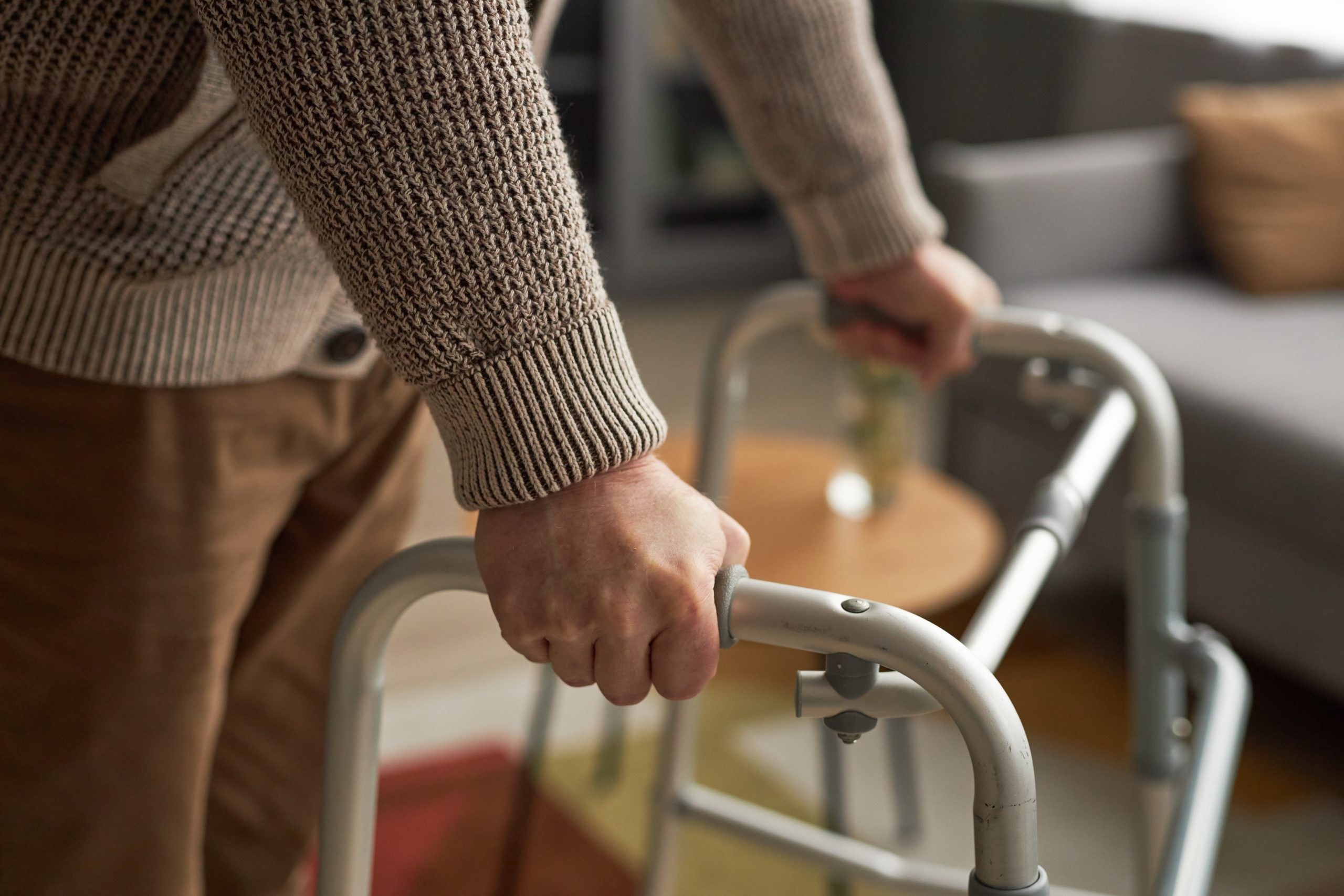
One of the primary goals for elderly patients is to maintain as much independence and activity as possible. As we age, mobility can become more challenging, and a heavy, cumbersome walker can actually add to the difficulty. This is where lightweight walkers come in, offering a practical solution for those who need a mobility aid that is easy to manage both indoors and outdoors. In this guide, we’ll explore the benefits of lightweight walkers, what features to look for, and why they are an essential tool for many seniors.
The Benefit of Weight Reduction
The most obvious advantage of a lightweight walker is, of course, the reduced weight. Most lightweight models are made from advanced materials like aluminum or carbon fiber, which can significantly reduce the overall weight without compromising strength or stability. This makes the walker much easier to lift, fold, and transport, especially for seniors who may have limited strength in their hands and arms.
Ease of Transport and Storage
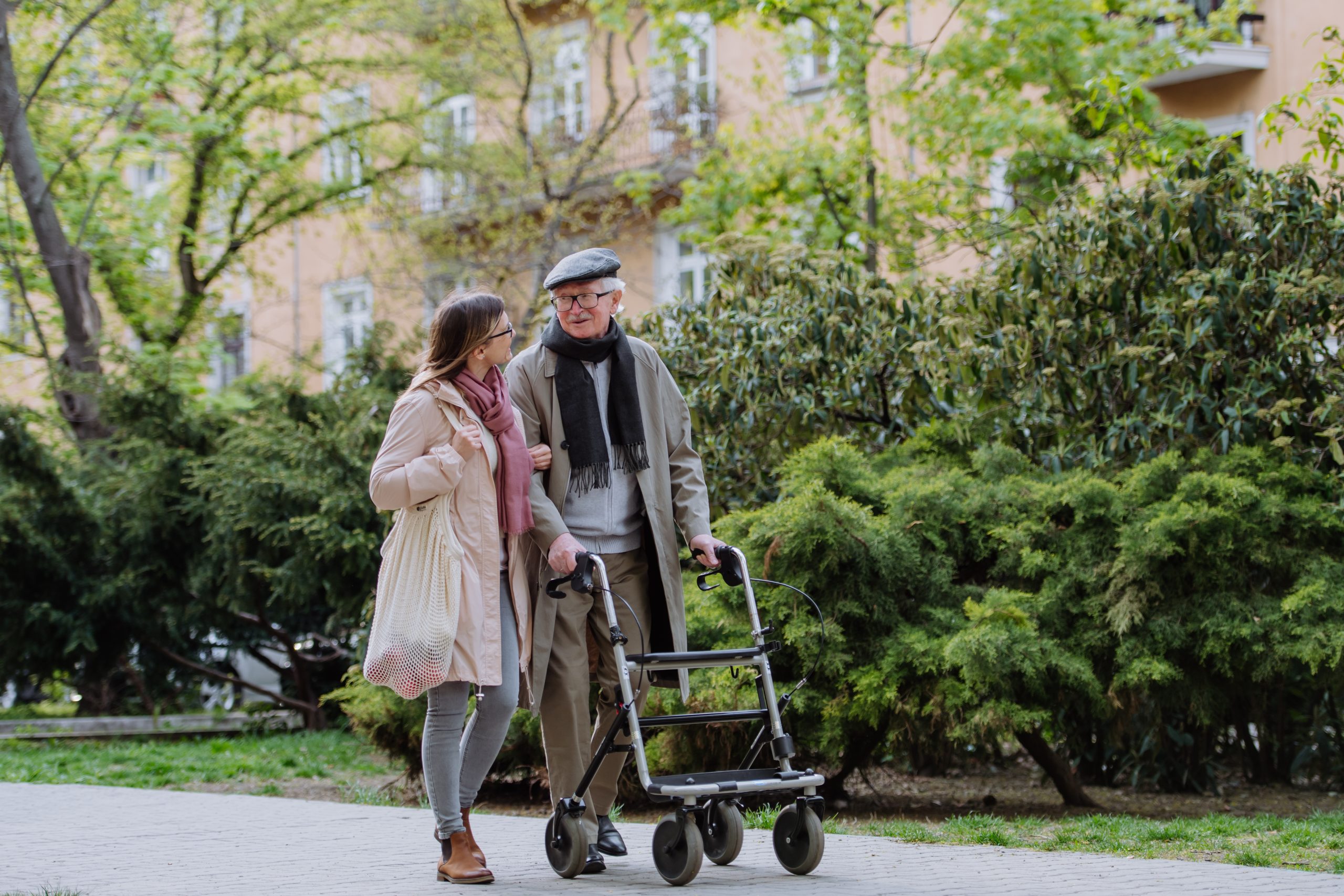
Lightweight walkers are a boon for both the senior and their caregivers. They are much easier to lift into the trunk of a car or navigate through tight doorways. Many models are also designed to fold compactly, making them ideal for travel and for storing in small spaces when not in use. This level of portability can be a key factor in keeping a senior active and engaged with their community.
Key Features of High-Quality Lightweight Walkers
Material: Aluminum vs Carbon Fiber
Aluminum is a popular choice for lightweight walkers because it’s strong, durable, and relatively inexpensive. It offers a good balance of weight and stability. Carbon fiber, while more expensive, is even lighter and has a high strength-to-weight ratio. For seniors who prioritize the lightest possible weight and have the budget for it, carbon fiber is an excellent option.
Adjustable Height and Ergonomic Handles
Just like any other walker, a lightweight model must be properly fitted to the user. Look for a walker with easy-to-adjust height settings and ergonomic handles that provide a comfortable and secure grip. This is particularly important for seniors with arthritis or other hand-related conditions.
Compact Folding and Storage
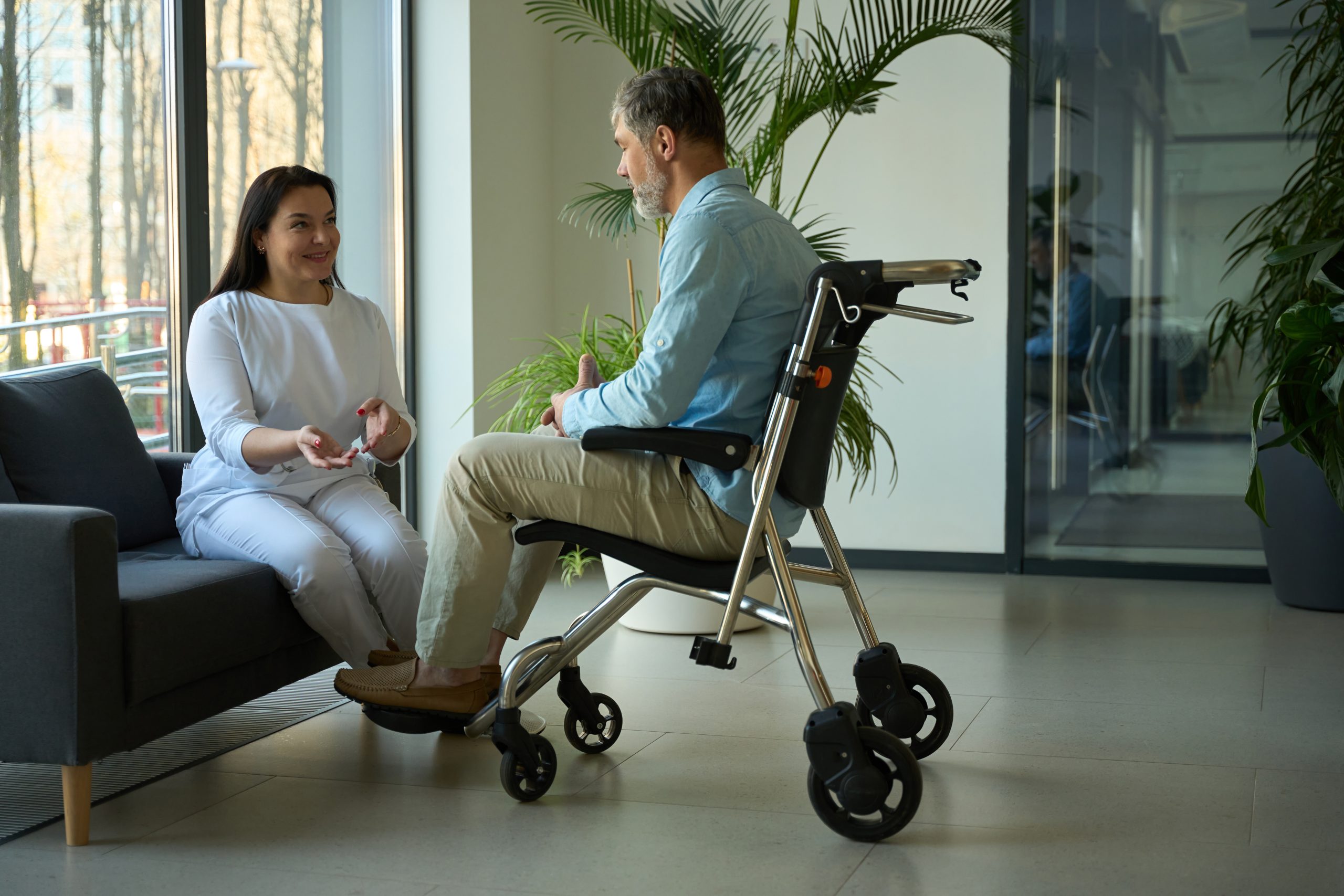
The ability to fold the walker quickly and compactly is a major plus. Many lightweight models have a one-hand folding mechanism that makes it simple to stow the walker when it’s not needed. Some also come with a built-in storage bag or basket for carrying personal items.
Smooth-Rolling Wheels (for Rollators)
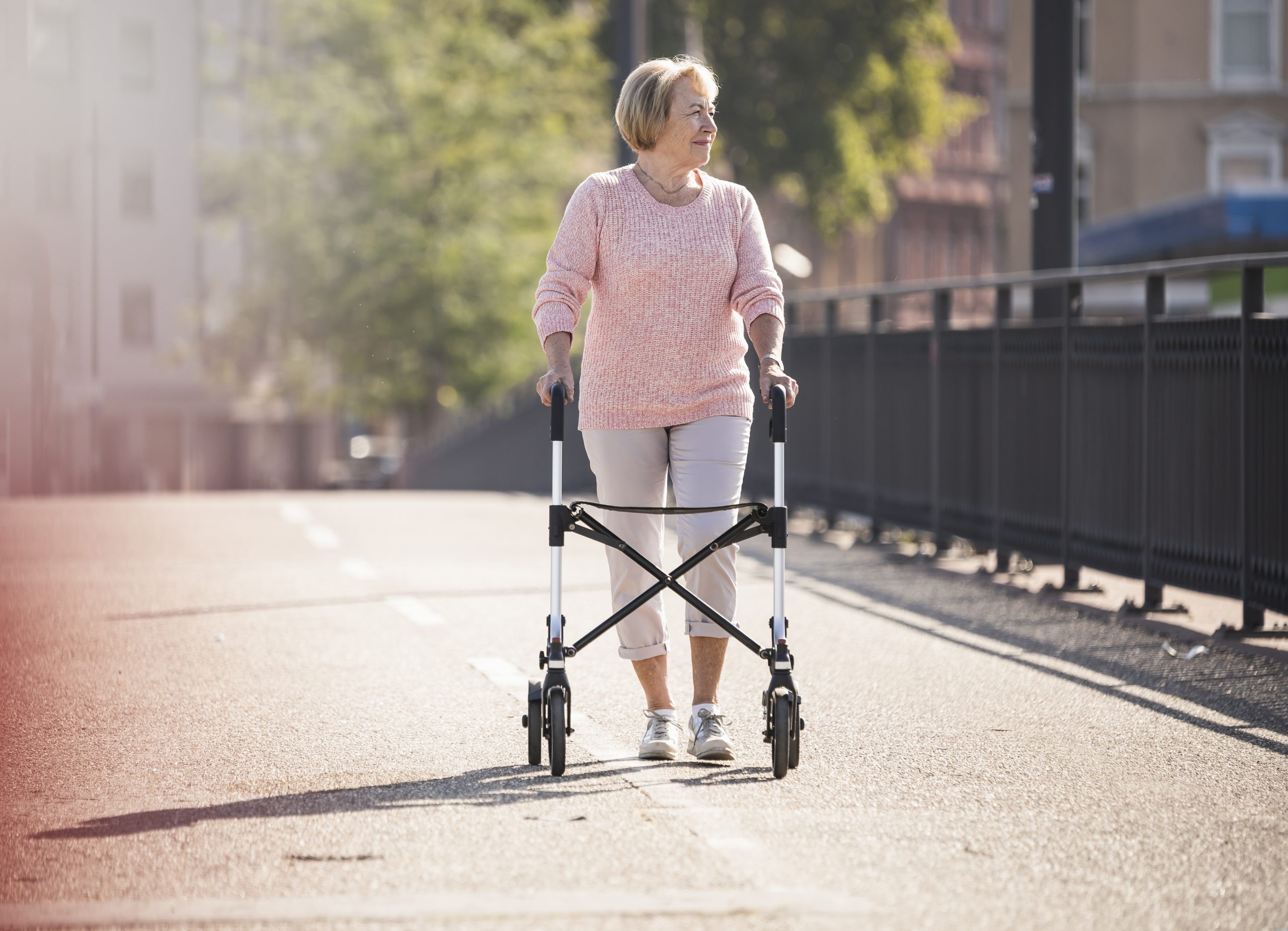
If you’re choosing a lightweight rollator, ensure the wheels are made of a durable material that rolls smoothly on various surfaces. Larger wheels are generally better for outdoor use and for handling uneven terrain.
Comparing Lightweight vs Standard Walkers
| Feature | Lightweight Walker | Standard (Heavy-Duty) Walker |
|---|---|---|
| Weight | Approx. 6-10 lbs (standard) / 10-15 lbs (rollator) | Approx. 10-15 lbs (standard) / 20-30 lbs (rollator) |
| Material | Aluminum / Carbon Fiber | Steel / Heavy Aluminum |
| Portability | Very High (Easy to lift and fold) | Moderate (Can be bulky and heavy) |
| Weight Capacity | Usually up to 300 lbs | Up to 500+ lbs (Bariatric) |
Top Picks for Lightweight Walkers in 2026
- The Ultra-Light Explorer (Carbon Fiber): This model is the pinnacle of lightweight design, weighing only 10 lbs with all the features of a full-size rollator. It’s stylish, easy to maneuver, and incredibly durable.
- The Compact Traveler (Aluminum): A more affordable but still very lightweight option, this aluminum walker folds into a very small package, making it perfect for frequent travelers.
- The Slim-Fit Home Companion: Specifically designed for indoor use, this lightweight walker has a narrow profile that makes it easy to navigate through door frames and tight corners.
Safety and Usage Tips for Lightweight Walkers
- Check the Weight Rating: While lightweight, these walkers still have a maximum weight capacity. Always ensure the model you choose can safely support the user’s weight.
- Maintain Regular Checks: Just like any other mobility aid, check the wheels, brakes, and folding mechanism for any signs of wear and tear.
- Don’t Sacrifice Stability for Weight: Occasionally, a very light walker can feel less stable on rough terrain. Ensure the senior feels confident and secure when using the device in their typical environment.
FAQs About Lightweight Walkers
1. Are lightweight walkers as strong as heavy ones?
Yes, modern materials like carbon fiber and high-grade aluminum are exceptionally strong. While they are lighter, they are designed to be as durable and stable as heavier models, provided they are used within their weight limits.
2. Which material is best for a lightweight walker?
It depends on your priorities. Aluminum is a great all-around choice for durability and value. Carbon fiber is the ultimate choice for the lightest possible weight, but it comes at a higher cost.
3. Can lightweight walkers support heavier seniors?
Most lightweight walkers have a weight capacity of up to 300 lbs. For seniors who weigh more, there are lightweight bariatric models specifically designed with reinforced frames and higher capacities.
4. Are lightweight walkers covered by insurance?
Yes, many insurance plans, including Medicare, will cover a lightweight walker if it’s deemed medically necessary and prescribed by a doctor.
5. Can I use a lightweight walker for outdoor exercises?
Absolutely! Lightweight rollators with larger wheels are excellent for outdoor walks, providing a manageable and supportive tool for maintaining an active lifestyle.
Conclusion: Lightening the Load for Better Mobility
For many elderly patients, a lightweight walker is a game-changer. By reducing the physical effort required to manage the device, it allows for more focus on walking and engaging with the world. Whether it’s for travel, indoor use, or just staying active, a lightweight walker is an investment in freedom and ease of motion. Remember to choose the model that best fits the senior’s specific needs and environment to ensure a successful and safe experience.
Internal Link Suggestion: Learn how to choose the right model in our How to Choose the Right Walker for Seniors guide.