

Best Walkers for Seniors in 2026: The Ultimate Safety Guide
As we move into 2026, the technology behind senior mobility aids has advanced significantly. Choosing the right walker is no longer just about basic support; it’s about comfort, safety, and maintaining independence. For many seniors, a walker is the bridge between staying active and being limited to one room. In this guide, we dive deep into the best walkers for seniors in 2026, focusing on innovation, durability, and ease of use.
The Evolution of Mobility: Why Your Choice Matters
In the past, walkers were often heavy, cumbersome, and difficult to transport. However, the 2026 market is filled with lightweight materials like carbon fiber and advanced aluminum alloys. These materials allow for a sturdy frame that a senior can easily lift into a car or navigate over thresholds. But beyond the weight, the real innovation lies in the ergonomics. Modern handles are designed to reduce strain on arthritic hands, and wheels are optimized for both indoor smoothness and outdoor traction.
Solving the Stability-vs-Mobility Dilemma
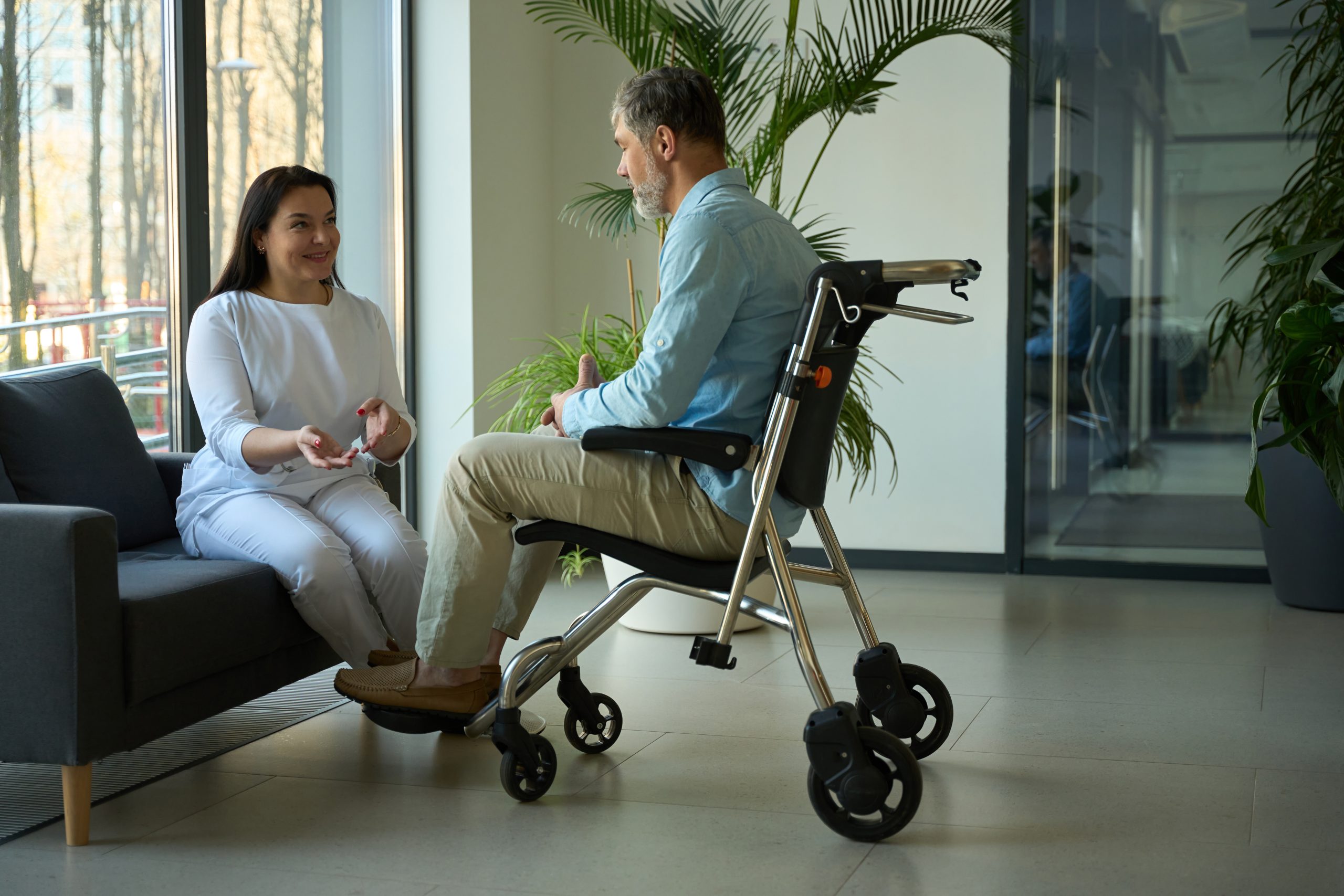
One of the biggest challenges for seniors is finding a balance between a device that offers maximum stability and one that allows for fluid movement. Standard walkers (without wheels) offer the highest level of stability but can be tiring as they require the user to lift the entire frame with each step. On the other hand, rollators (walkers with four wheels) move effortlessly but require more control over braking. The best models in 2026 are finding the “sweet spot” with hybrid designs and adjustable resistance.
Top Picks for Best Walkers in 2026
1. The Ultralight Carbon Fiber Explorer
This is the gold standard for active seniors. Weighing only 10 pounds, it’s one of the lightest on the market without sacrificing an ounce of strength. Its streamlined design makes it perfect for travel, and the built-in storage bag is both discreet and spacious.
- Pros: Extremely lightweight, stylish design, excellent maneuvers.
- Cons: Higher price point, not ideal for very heavy use on rough terrain.
2. The Heavy-Duty Terrain Master
For seniors who love being outdoors, the Terrain Master features 10-inch pneumatic tires that can handle grass, gravel, and uneven sidewalks with ease. It includes a reinforced seat and a backrest for frequent breaks during long walks.
- Pros: Superior traction, comfortable seating, high weight capacity.
- Cons: Heavier than standard models, takes up more space when folded.
3. The Compact Home Navigator
Specifically designed for tight indoor spaces, this walker has a slim profile (only 22 inches wide) that fits through narrow bathroom doors and around kitchen corners easily. It’s the perfect companion for aging-in-place.
- Pros: Narrow width, non-marking wheels, built-in tray for carrying items.
- Cons: Not stable enough for significant outdoor use.
Comparison Table: Top Walker Models 2026
| Feature | Ultralight Explorer | Terrain Master | Home Navigator |
|---|---|---|---|
| Weight | 10 lbs | 18 lbs | 12 lbs |
| Best For | Travel/Active Use | Outdoor/Gravel | Indoor/Tight Spaces |
| Seat Included | Yes (Compact) | Yes (Padded) | Optional Tray |
| Folding Mechanism | One-hand Fold | Standard Fold | Tuck-away Fold |
What to Look for When Buying a Walker
When shopping for a mobility aid, caregivers and seniors should prioritize the following factors to ensure safety and long-term satisfaction.
Weight Capacity and Frame Strength
Always check the weight rating. Most standard walkers support up to 300 lbs, but bariatric models go up to 500 lbs. A frame that feels “flimsy” can lead to a loss of confidence in the user, which often results in them using the device less frequently.
Handle Height and Adjustability
A walker that is too low will cause the senior to slouch, leading to back pain. One that is too high won’t provide the necessary leverage. Ensure the model has a wide range of height adjustments and that the handles are at the height of the user’s wrists when their arms are hanging naturally at their sides.
Braking Systems for Safety
For rollators, the brakes are the most important safety feature. Look for “loop brakes” that are easy to squeeze for those with arthritis. Also, ensure the walker has a locking mechanism for when the user is sitting on the built-in seat.
Safety Tips for Using Your 2026 Walker
- The 10-Inch Rule: Never step too far into the walker. Keep your body roughly in the middle of the frame to maintain a stable center of gravity.
- Check the Tips: If using a standard walker, regularly check the rubber tips for wear. Worn-out tips can slip on smooth floors.
- Clear the Path: Even with a great walker, area rugs and loose cords are major trip hazards. Keep walkways clear.
- Pace Yourself: Don’t try to move faster than the walker allows. Let the device set the rhythm.
Common Mistakes Seniors and Caregivers Make
One common error is choosing a walker based solely on price. A “budget” walker that is uncomfortable or difficult to fold often ends up sitting in the closet. Another mistake is not properly fitting the walker to the user. A five-minute fitting session with a physical therapist can prevent months of discomfort.
FAQs About Senior Walkers
1. Can I use a walker on stairs?
Generally, no. Standard walkers and rollators are not designed for stairs. Seniors should use handrails or look into stairlifts for multi-level homes.
2. Does Medicare cover walkers?
Yes, Medicare Part B typically covers walkers as Durable Medical Equipment (DME) if prescribed by a doctor. However, they may only cover certain “medically necessary” models.
3. How often should I replace my walker?
With proper maintenance, a high-quality walker can last 3-5 years. However, you should replace it immediately if the frame is bent or the brakes are no longer reliable.
4. What’s the difference between a walker and a rollator?
A walker has four legs and usually no wheels (or just two), requiring it to be lifted. A rollator has four wheels and brakes, allowing it to be pushed smoothly.
5. Are there walkers for people with Parkinson’s?
Yes, there are specialized “laser walkers” that project a line on the ground to help overcome gait freezing, a common issue in Parkinson’s patients.
Conclusion: Empowering Independence Through Mobility
Investing in the right walker is an investment in quality of life. By choosing a model that fits your specific needs—whether it’s the lightweight design of the Carbon Fiber Explorer or the rugged stability of the Terrain Master—you are ensuring that the golden years are spent moving, exploring, and engaging with the world. Remember to prioritize safety, get a professional fitting, and stay active!
Internal Link Suggestion: Check out our guide on Rollator vs Standard Walker to decide which type is right for you.