

Walkers for Seniors with Balance Problems: Choosing the Safest Option
For many seniors, maintaining balance can become more challenging with age. Factors like muscle weakness, neurological conditions, or changes in vision can all contribute to a feeling of unsteadiness. This is where a walker becomes an essential tool for safety and independence. However, not all walkers are created equal, and for seniors with significant balance problems, choosing the right type is critical for preventing falls and ensuring a secure walking experience. In this guide, we’ll explore the best walkers for seniors with balance issues, focusing on stability, safety features, and importance of a professional assessment.
The Importance of a Rock-Solid Base
Stability is the number one priority for seniors with balance problems. A walker that can’t provide a reliable and steady base of support is more than just inconvenient—it can be dangerous. When selecting a mobility aid, focus on models with four legs and features that reduce the risk of the device “rolling away” or tipping over.
Assessing the Type of Balance Issue
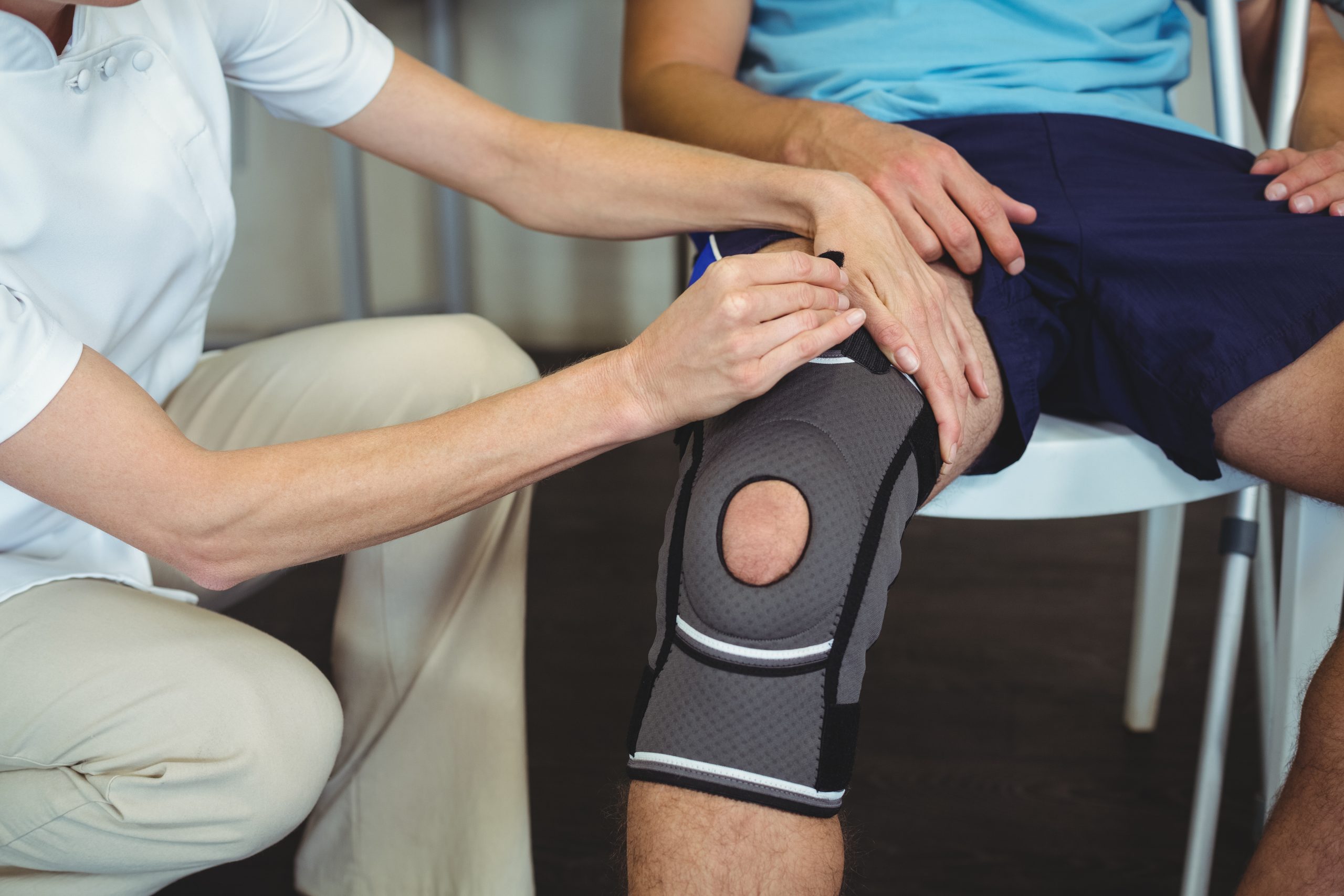
Different balance problems require different types of support. For example, a senior with “forward leaning” or “propulsion” might need a walker that provides strong resistance, while someone with “side-to-side” instability might benefit from a wider frame. A professional assessment by a physical therapist is essential for determining the specific type of balance issue and the most appropriate walker.
Top Walker Types for Balance Problems
Standard (Non-Wheeled) Walkers
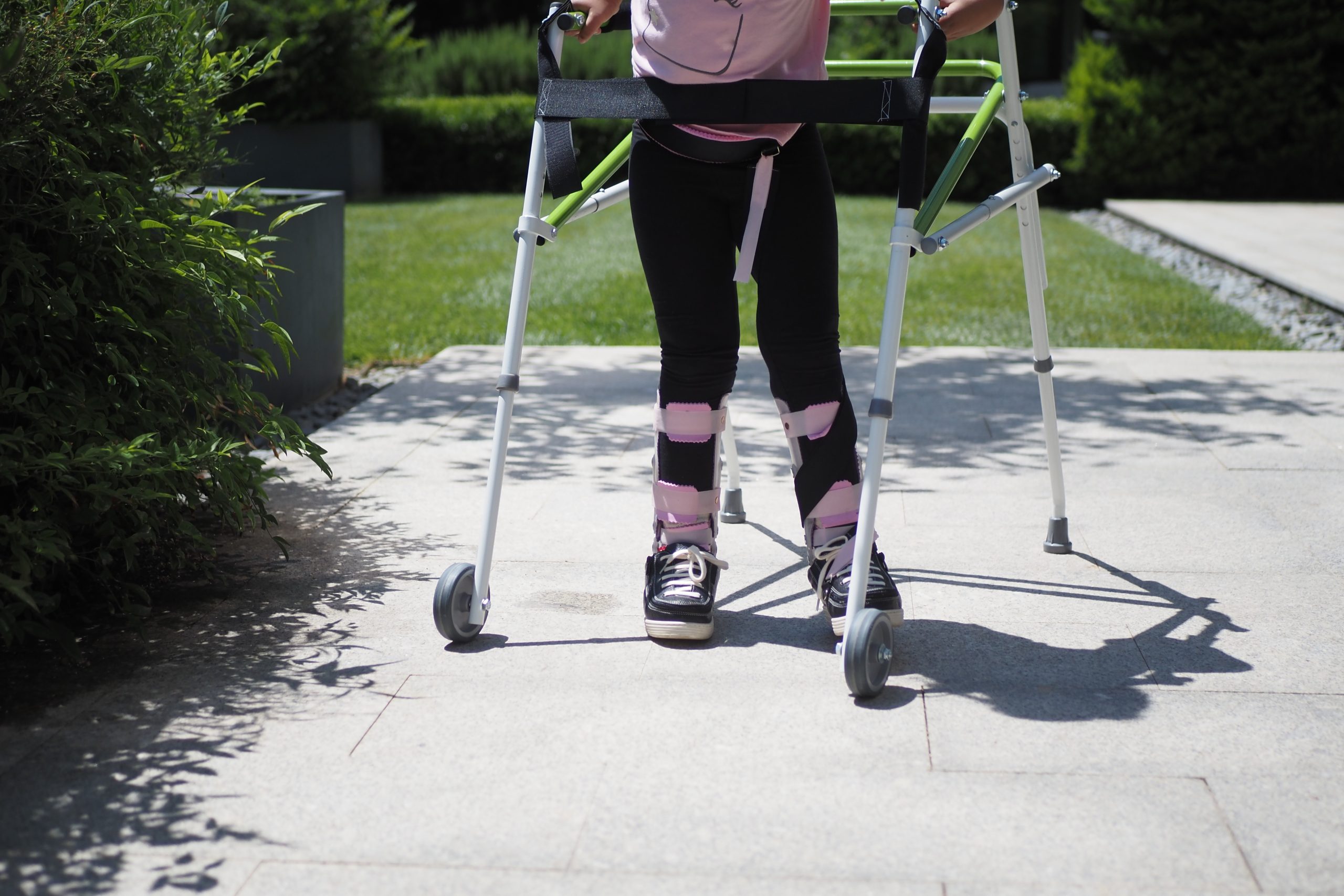
For those with severe balance problems, a standard walker usually offers the highest level of stability. Because it has four legs with rubber tips and no wheels, it requires the user to lift the entire frame with each step. While more tiring to use, this action ensures that the walker stays firmly in place while the user is stepping into it, providing a rock-solid base of support.
Two-Wheeled (Front-Wheeled) Walkers
A two-wheeled walker has wheels on the front legs and glides or rubber tips on the back. This design allows the user to push the walker forward without lifting it entirely. It offers a good compromise between the stability of a standard walker and the mobility of a rollator, making it a popular choice for those with moderate balance issues.
Specialized “U-Step” or Laser Walkers
Some seniors with neurological conditions like Parkinson’s or stroke might benefit from specialized walkers. “U-Step” walkers have a unique frame design that provides exceptional stability and a reverse-braking system that stops the walker the moment the user lets go. Laser walkers project a line on the floor to help overcome gait freezing, a common issue in Parkinson’s patients.
Key Features for Enhanced Safety
Weight Capacity and Frame Strength
Always check the weight capacity of the walker and ensure it’s rated for the user’s size and needs. A sturdy, reinforced frame is essential for seniors who lean heavily on the aid for balance. Bariatric models are available for heavier individuals.
Wide Frame and Low Center of Gravity
A walker with a wider frame is generally more stable and less likely to tip over. Look for models with a low center of gravity to enhance safety, especially when navigating uneven surfaces or thresholds.
Ergonomic Handles and Easy-to-Use Brakes
Handles should be easy to grip and comfortable for seniors with arthritis. If choosing a wheeled model, ensure the brakes are simple to manage and have a reliable locking mechanism for when the user is standing or sitting.
Height Adjustability
Proper height is critical for balance. A walker that’s too low will cause the senior to slouch, while one that’s too high won’t provide the necessary leverage. Ensure the model has a wide range of height adjustments and that it’s fitted correctly to the user.
Comparison Table: Walkers for Balance Stability
Ideal ForSevere Balance IssuesModerate Balance IssuesNeurological Conditions
| Feature | Standard Walker | Two-Wheeled Walker | U-Step / Laser Walker |
|---|---|---|---|
| Stability | Highest (No wheels) | High (Front wheels only) | Very High (Specialized frame) |
| Mobility | Low (Lifting required) | Moderate (Pushed forwards) | High (Smooth and responsive) |
| Braking | N/A | Manual or Glides | Reverse-Braking (U-Step) |
Safety Tips for Using a Walker with Balance Issues
- The 10-Inch Rule: Don’t step too far into the walker. Keep your body roughly in the middle of the frame to maintain a stable center of gravity.
- Take Short Steps: Avoid taking long steps that could throw off your balance. Keep your steps short and controlled.
- Maintain a Clear Path: Ensure the senior’s home is free of trip hazards like rugs, cords, or clutter. Good lighting is also essential for safe navigation.
- Regular Maintenance: Check the rubber tips and wheels for wear. Worn-out tips can slip on smooth floors, increasing the risk of a fall.
Common Mistakes to Avoid
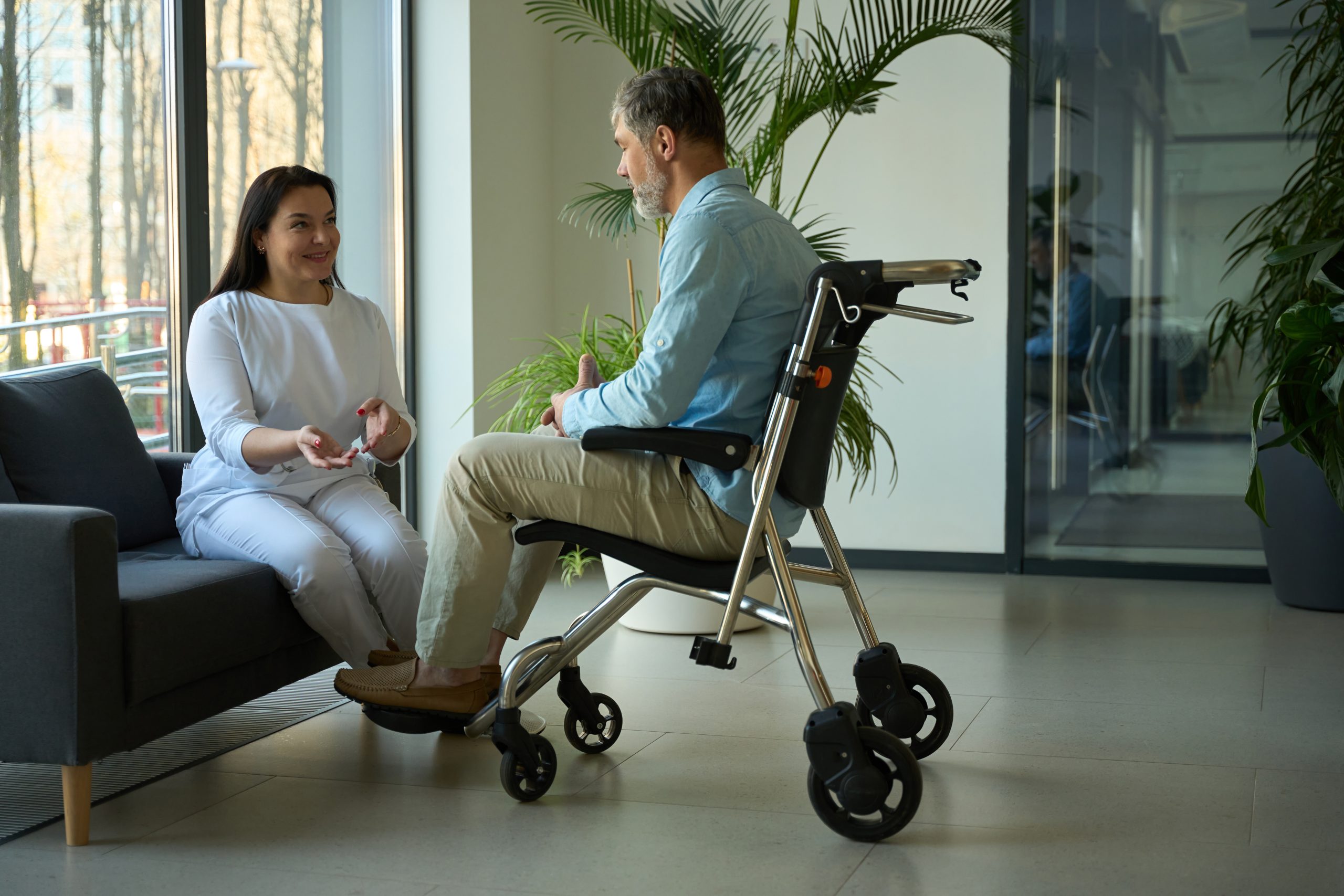
One common mistake is choosing a rollator (four-wheeled walker) for someone with severe balance issues. While rollators are great for endurance, they can “roll away” from an unsteady user if they are not careful with the brakes. Another mistake is skipping the professional fitting and assessment, which can lead to using a walker that doesn’t provide the right type of support.
FAQs About Walkers for Balance Problems
1. Can a walker help prevent falls?
Yes, when used correctly and fitted properly, a walker can significantly reduce the risk of falls for seniors with balance problems. It provides a stable base of support and helps the user maintain their center of gravity.
2. Is a three-wheeled rollator safe for balance issues?
Generally, no. Three-wheeled rollators are more maneuverable in tight spaces but are less stable than four-wheeled models and are not recommended for those with significant balance problems.
3. How do I know if my walker is the right height?
When standing upright with your arms at your sides, the handles of the walker should be at the level of your wrists. This ensures a comfortable and secure grip.
4. Does insurance cover specialized walkers?
Yes, many insurance plans, including Medicare, will cover specialized walkers like the U-Step if a doctor deems it medically necessary and prescribes it for a specific condition.
5. Can I use a walker on uneven outdoor terrain?
Yes, but you should choose a model with larger wheels and a sturdy frame for better traction and stability on rough surfaces. Always use caution when navigating uneven ground.
Conclusion: Stay Secure and Active
Finding the right walker for a senior with balance problems is about prioritizing safety and stability above all else. By choosing a model that matches their level of balance and environment, you are giving them the tools they need to stay active and independent. Remember that a professional assessment and proper fitting are key to a successful experience. With the right support, the golden years can be spent moving with confidence and grace.
Internal Link Suggestion: Read our detailed guide on How to Choose the Right Walker for Seniors for more selection tips.