
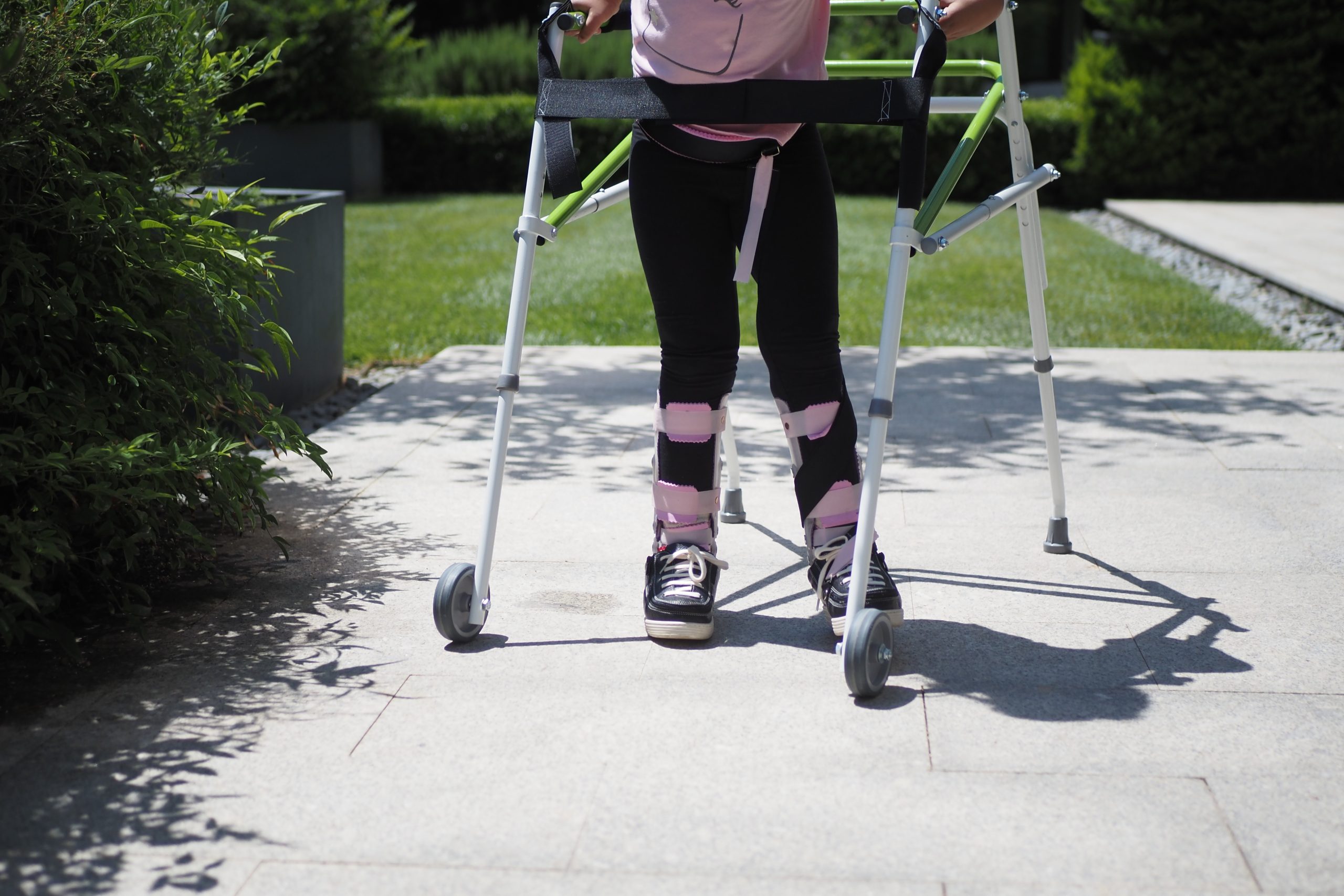
Folding Walkers for Travel and Mobility: Stay Active Anywhere
For many seniors, the thought of traveling can be daunting, especially when they rely on a mobility aid. However, the advancement of folding walkers has made it easier than ever to maintain an active lifestyle while away from home. Whether it’s a family vacation, a trip to the local park, or simply running errands, a folding walker offers the perfect combination of support and portability. In this guide, we’ll explore the benefits of folding walkers, what to look for when choosing a travel-friendly model, and tips for using your walker safely and effectively on the go.
The Benefit of Portability for Seniors
The most significant advantage of a folding walker is its portability. Unlike traditional, bulkier models, folding walkers are designed to be easily collapsed, making them simple to transport in a car’s trunk, on a plane, or even in a crowded bus. This level of convenience allows seniors to maintain their daily routines and participate in activities they might otherwise avoid due to mobility concerns.
Encouraging Spontaneity and Independence
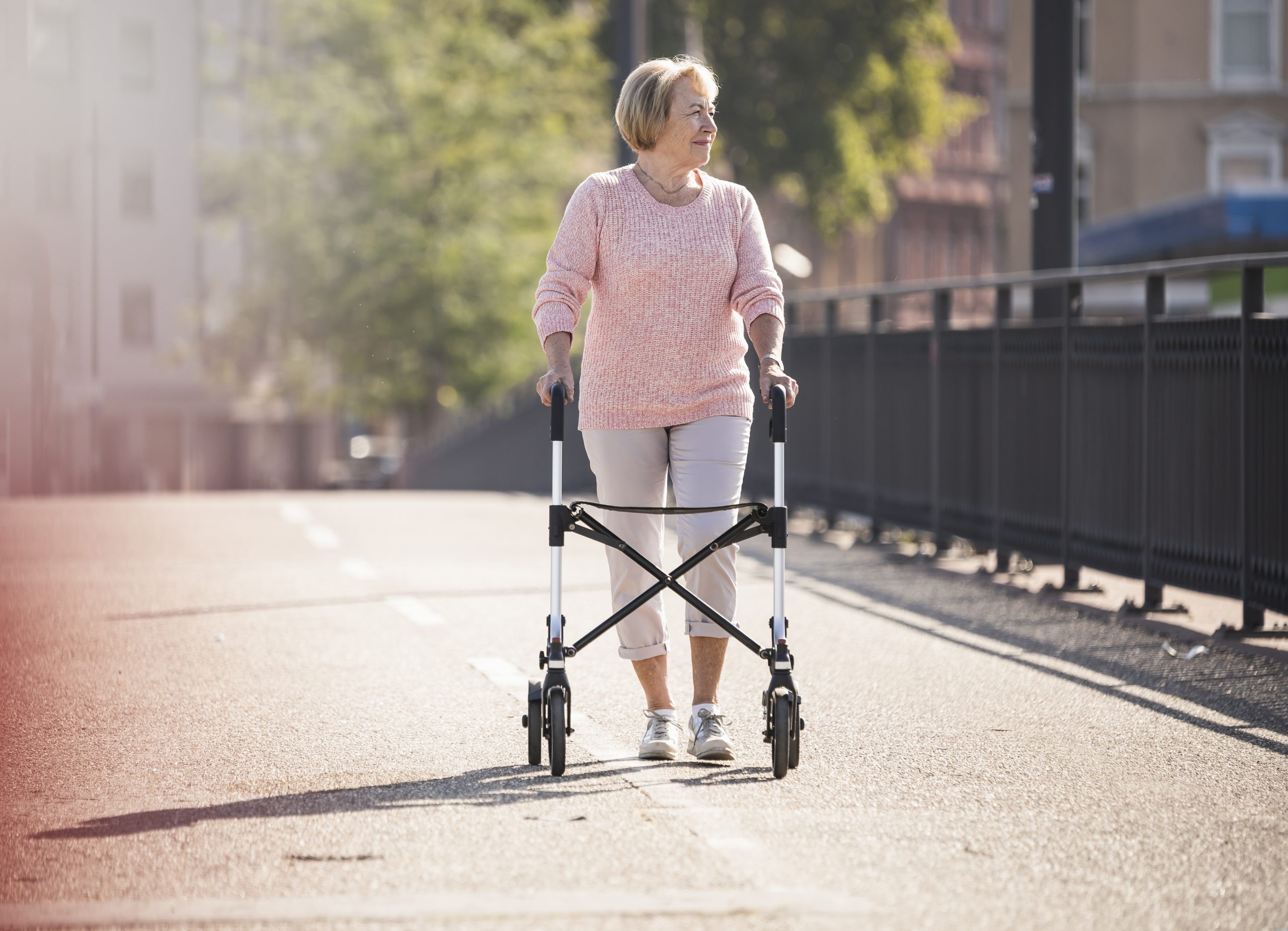
A folding walker provides a sense of freedom. Knowing that their mobility aid is easy to take along encourages seniors to be more spontaneous and engaged with their community. It allows for quick trips to the store, visits with friends, and the ability to explore new environments without the stress of managing a cumbersome device.
Key Features of Travel-Friendly Folding Walkers
Folding Mechanism: One-Hand vs. Two-Hand
The ease of folding is a critical factor for travel. Some walkers feature a simple one-hand folding mechanism, often triggered by a pull-cord or a single button. This is ideal for seniors who may have limited hand strength or coordination. Other models require two hands to operate separate latches on each side. Choose the mechanism that feels most natural and manageable for the user.
Weight and Material
For travel, lightweight materials are essential. Aluminum is a popular and durable choice that keeps the walker’s weight manageable for lifting and transport. Some high-end travel walkers are even made from carbon fiber, offering the ultimate in light weight without sacrificing strength.
Compact Folded Size
Consider the dimensions of the walker when it’s folded. A model that collapses into a slim, flat package is much easier to store in tight spaces, such as behind a car seat or in a closet. Some walkers even have a “double-fold” design that makes them even more compact for air travel.
Wheel Size and Terrain Capability
If the senior plans to use the walker outdoors, the size of the wheels is important. Larger wheels (7-8 inches or more) provide better traction and a smoother ride on uneven surfaces like sidewalks or gravel paths. For primarily indoor use, smaller wheels are often sufficient and make the walker more maneuverable in tight spaces.
Comparison Table: Top Folding Walkers for Travel
| Feature | The Ultra-Compact Traveler | The Lightweight Explorer | The All-Terrain Folder |
|---|---|---|---|
| Weight | 7 lbs | 12 lbs | 16 lbs |
| Folding Action | One-Hand Pull | Dual Push-Button | Standard Fold |
| Folded Dimensions | 10″ x 20″ | 12″ x 24″ | 15″ x 28″ |
| Best For | Strict Travel/Planes | General Mobility/Cars | Outdoor Trips |
Tips for Using a Folding Walker on the Go
- Practice Folding: Before taking the walker on a trip, have the senior practice folding and unfolding it several times. This will build confidence and make the process smoother in public settings.
- Check for Damage: Regularly inspect the folding mechanism, wheels, and joints for any signs of wear or damage. This is especially important after the walker has been transported or stored.
- Clear the Path: Even with a portable walker, be mindful of trip hazards in new environments. Stay alert to loose rugs, cords, or uneven surfaces.
- Use Storage Accessories: Consider adding a lightweight storage bag or basket to the walker for carrying travel essentials like water, snacks, or a cell phone.
FAQs About Folding Walkers for Travel
1. Are all walkers foldable?
No, not all walkers are designed to fold. Some standard models have fixed frames for maximum stability. However, the majority of modern walkers and rollators are designed with some level of folding capability for transport.
2. Can I take a folding walker on a plane?
Yes, most folding walkers are considered durable medical equipment and can be taken on a plane free of charge. You can usually gate-check the walker, allowing you to use it right up until you board and have it waiting for you when you disembark.
3. Which folding walker is easiest to use?
A walker with a one-hand folding mechanism is generally the easiest to operate, especially for those with limited hand strength. Look for models with a simple pull-cord or a single, large button.
4. Are folding walkers as stable as fixed-frame ones?
Yes, modern folding walkers are engineered to be extremely stable and secure when they are fully unfolded and locked. Always ensure the walker is securely “clicked” into place before use.
5. Can I use a folding walker for outdoor activities?
Yes, many folding rollators are designed specifically for outdoor use, with larger wheels and a sturdy frame that can handle various terrains while still being easy to transport.
Conclusion: Stay Mobile and explore
A folding walker is more than just a mobility aid; it’s a tool for maintaining a full and active life. By choosing a model that is lightweight, easy to fold, and suited to their specific needs, seniors can continue to travel and explore with confidence. Whether it’s a short trip or a long vacation, a folding walker ensures that mobility is never a barrier to adventure. Remember to focus on portability, ease of use, and safety for the best travel experience.
Internal Link Suggestion: Check our guide on Lightweight Walkers for Elderly Patients for more portable options.