

Walker Safety Tips for Elderly Users: Preventing Falls and Accidents
For many seniors, a walker is a vital tool for maintaining independence and safety. However, simply owning a walker is not enough; using it correctly and safely is crucial for preventing falls and accidents. Whether you’re a senior using a walker for the first time or a caregiver assisting a loved one, understanding proper walker safety is essential. In this guide, we’ll cover the most important safety tips, from initial fitting to daily usage techniques and modifying the home environment for maximum security.
The Importance of a Proper Fitting
The first step in walker safety is ensuring the device is correctly fitted to the user. A walker that is too high or too low can cause back pain, fatigue, and even increase the risk of a fall. When standing upright with your arms at your sides, the handles of the walker should be at the level of your wrists. This allows for a comfortable and secure grip and ensures your arms are slightly bent when using the walker.
Professional Assessment for Maximum Security
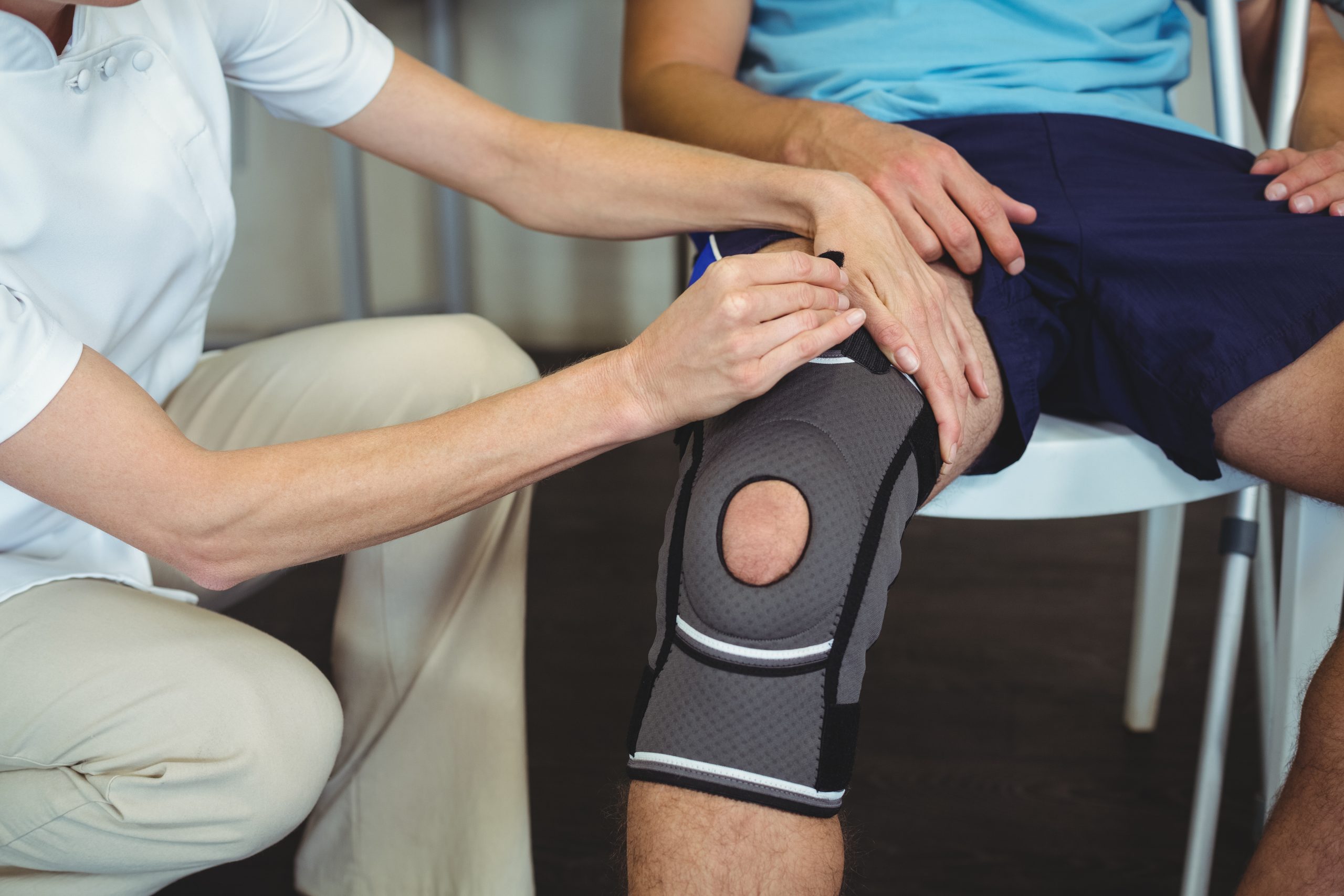
A professional assessment by a physical or occupational therapist is highly recommended. They can evaluate the senior’s gait, balance, and strengths and recommend the most appropriate walker type and fitting. They can also provide training on how to use the walker correctly in different environments.
Essential Walker Usage Techniques
The 10-Inch Rule
Never step too far into the walker. Maintain a distance of about 10-12 inches between your body and the walker’s frame. This ensures you have a stable center of gravity and prevents the walker from “moving away” from you if you lose your balance.
Taking Short, Controlled Steps
Avoid taking long steps that could throw off your balance. Keep your steps short and controlled, and ensure the walker is securely in place before taking a step. Let the walker set the rhythm of your movement.
Braking and Locking (for Rollators)
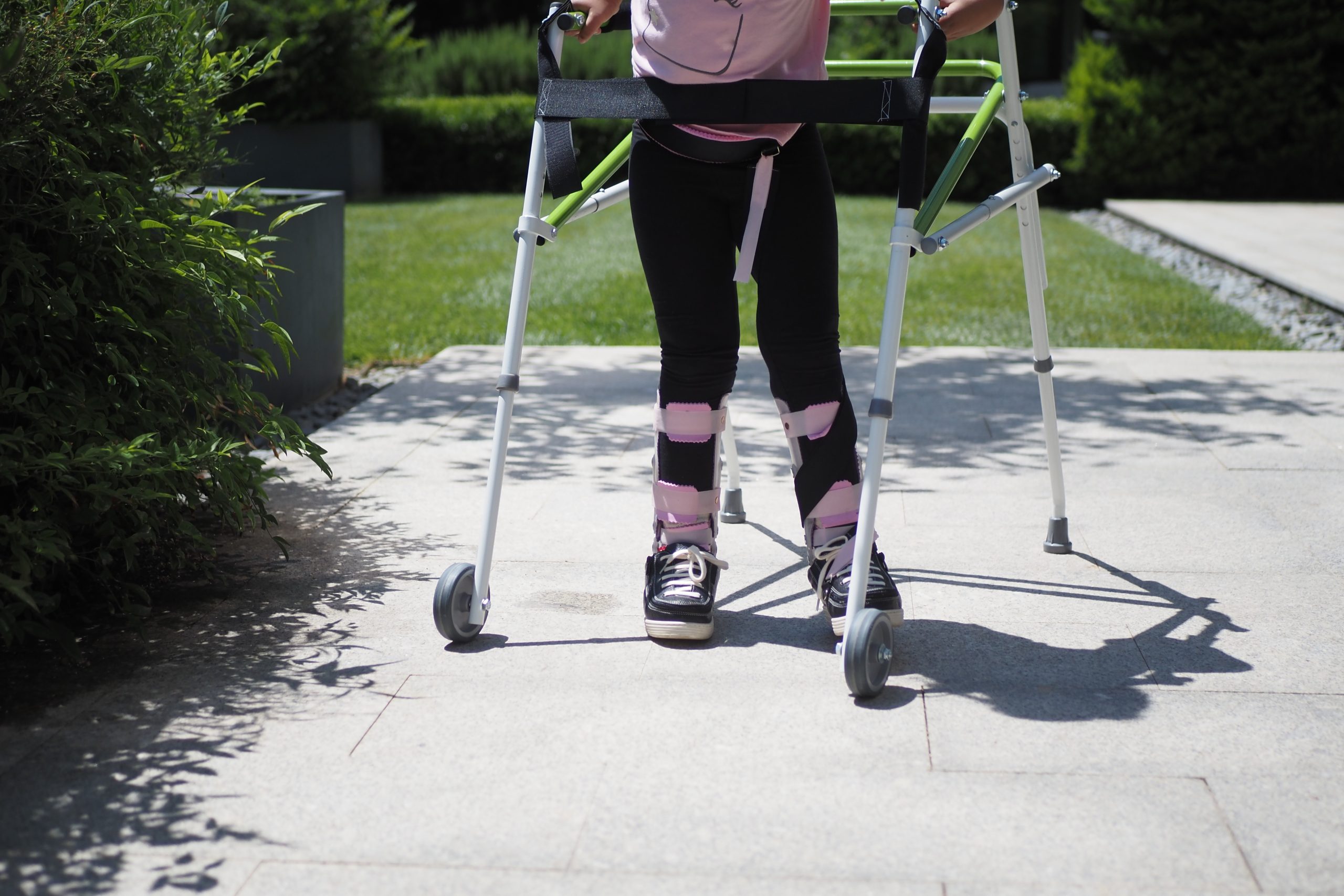
If you’re using a rollator (wheeled walker), the brakes are a critical safety feature. Always engage the parking brakes before sitting on the built-in seat. Periodically check that the brakes are responsive and holding the walker securely.
Navigation Tips for Different Surfaces
Be extra cautious when moving from one type of floor to another, such as from carpet to tile. Look for uneven surfaces, thresholds, or loose rugs that could cause the walker to snag or slip. Always take your time when navigating stairs (though walkers are generally not for stairs, be cautious around them).
Modifying the Home Environment for Safety
- Clear the Path: Remove any trip hazards from the senior’s home, such as loose rugs, cords, clutter, or furniture that restricts the walker’s movement.
- Improve Lighting: Ensure all hallways, bathrooms, and bedrooms are well-lit. Use nightlights to prevent falls during nighttime movements.
- Install Grab Bars: Add grab bars in bathrooms near the toilet and shower to provide additional support when transitioning from the walker to other surfaces.
- Keep Essentials Within Reach: Store frequently used items at waist height to minimize the need for reaching or bending while using the walker.
Comparison Table: Safety Features of Different Walker Types
| Feature | Standard Walker | Two-Wheeled Walker | Rollator (Four-Wheeled) |
|---|---|---|---|
| Automatic Stability | Highest (No wheels) | High (Front wheels only) | Moderate (Requires brake control) |
| Braking System | N/A | Manual or Glides | Hand Brakes + Locking |
| Ideal For | Severe Balance Issues | Moderate Balance Issues | Active Seniors / Endurance |
| Risk of “Rolling Away” | Very Low | Low | Moderate (If brakes not used) |
Regular Maintenance for Longevity and Safety
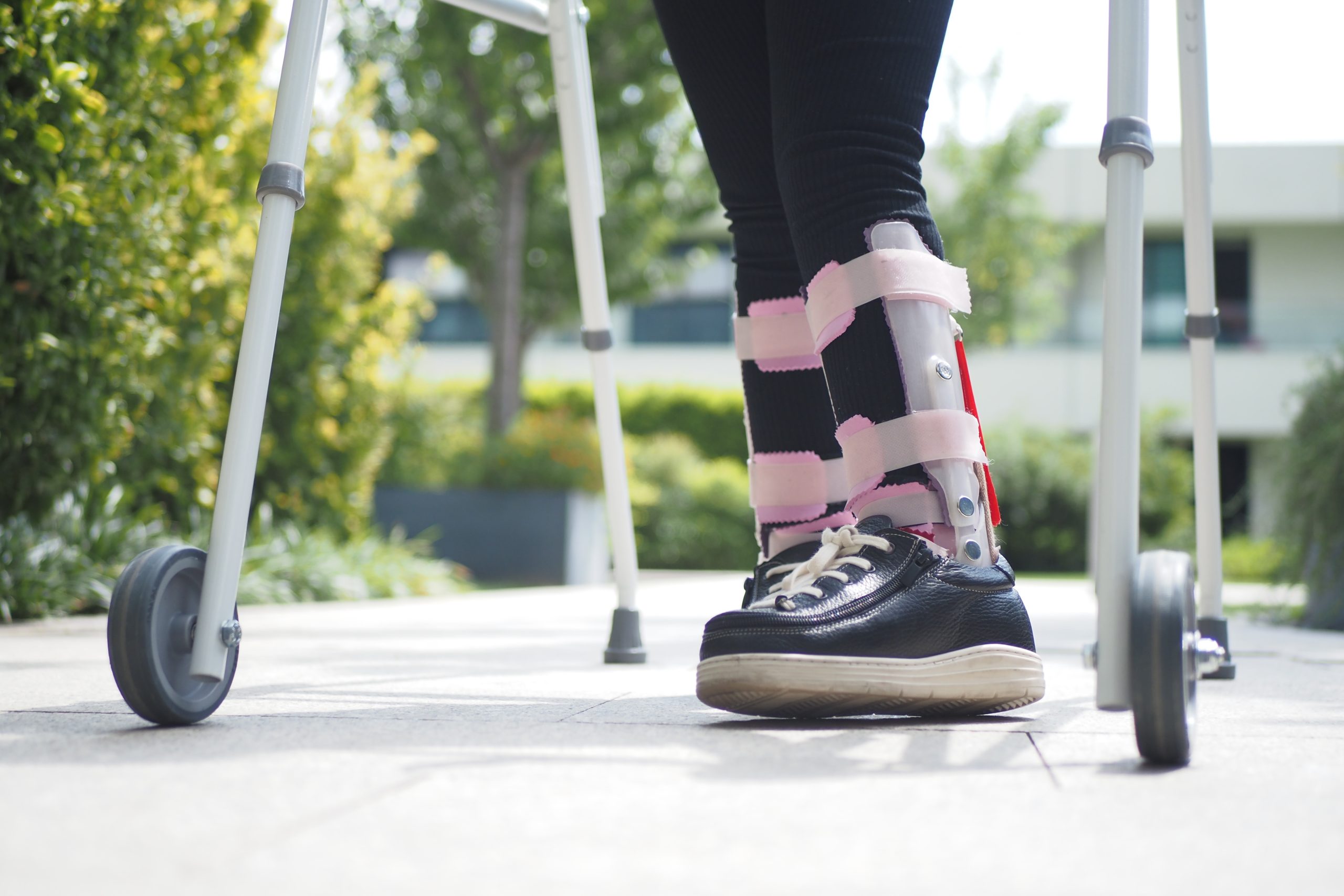
- Check Rubber Tips: Inspect the rubber tips on standard and two-wheeled walkers regularly. Worn-out tips can lose their grip on smooth floors and should be replaced immediately.
- Inspect Wheels and Brakes: For rollators, check that the wheels rotate smoothly and that the brakes are working correctly and locking the device securely.
- Look for Loose Parts: Periodically tighten any screws or bolts that may have become loose over time. A “clackety” walker is often a sign that maintenance is needed.
Common Safety Mistakes to Avoid
One common mistake is trying to move faster than the walker allows. Another is not properly engaging the brakes on a rollator before sitting down. Seniors should also avoid carrying heavy or bulky items in their hands while using a walker; use a built-in bag or basket instead.
FAQs About Walker Safety
1. Can I use a walker on stairs?
No, standard walkers and rollators are not designed for stairs. It’s best to use handrails and have a secondary person assist you, or consider a stairlift for a multi-level home.
2. How often should I replace my walker?
With proper maintenance, a quality walker can last 3-5 years. However, replace it immediately if the frame is bent, the brakes are faulty, or the rubber tips are worn beyond repair.
3. Are there lights I can add to a walker?
Yes, there are many aftermarket LED lights that can be easily attached to the walker’s frame for better visibility in dim conditions.
4. What should I do if I feel unsteady even with a walker?
If you still feel insecure, consult with a physical therapist. You may need a different type of walker or some balance-focused exercises to improve your stability.
5. Can I use a walker outdoors?
Yes, but be cautious on uneven surfaces like grass or gravel. Choose a walker with larger wheels for better stability and traction on outdoor terrain.
Conclusion: Stay Secure and Confident
Walker safety is about more than just avoiding falls; it’s about empowering seniors to move with confidence and independence. By focusing on proper fitting, using correct techniques, and maintaining a safe home environment, you can ensure that the walker remains a helpful and secure tool for your loved one. Remember that consistent safety habits and regular maintenance are key to a long and successful experience with a mobility aid. Stay alert, stay active, and stay safe!
Internal Link Suggestion: Read our detailed guide on How to Choose the Right Walker for Seniors for more selection tips.