

How to Choose the Right Walker for Seniors: A Practical Guide
Choosing the right walker for a senior is a significant decision that impacts their safety, independence, and overall well-being. With a wide range of options available on the market, it’s important to understand the different types of walkers and their features to make an informed choice. This guide will walk you through the essential considerations, from assessing the senior’s mobility needs to selecting the features that offer the best support.
Understanding Mobility Assessments
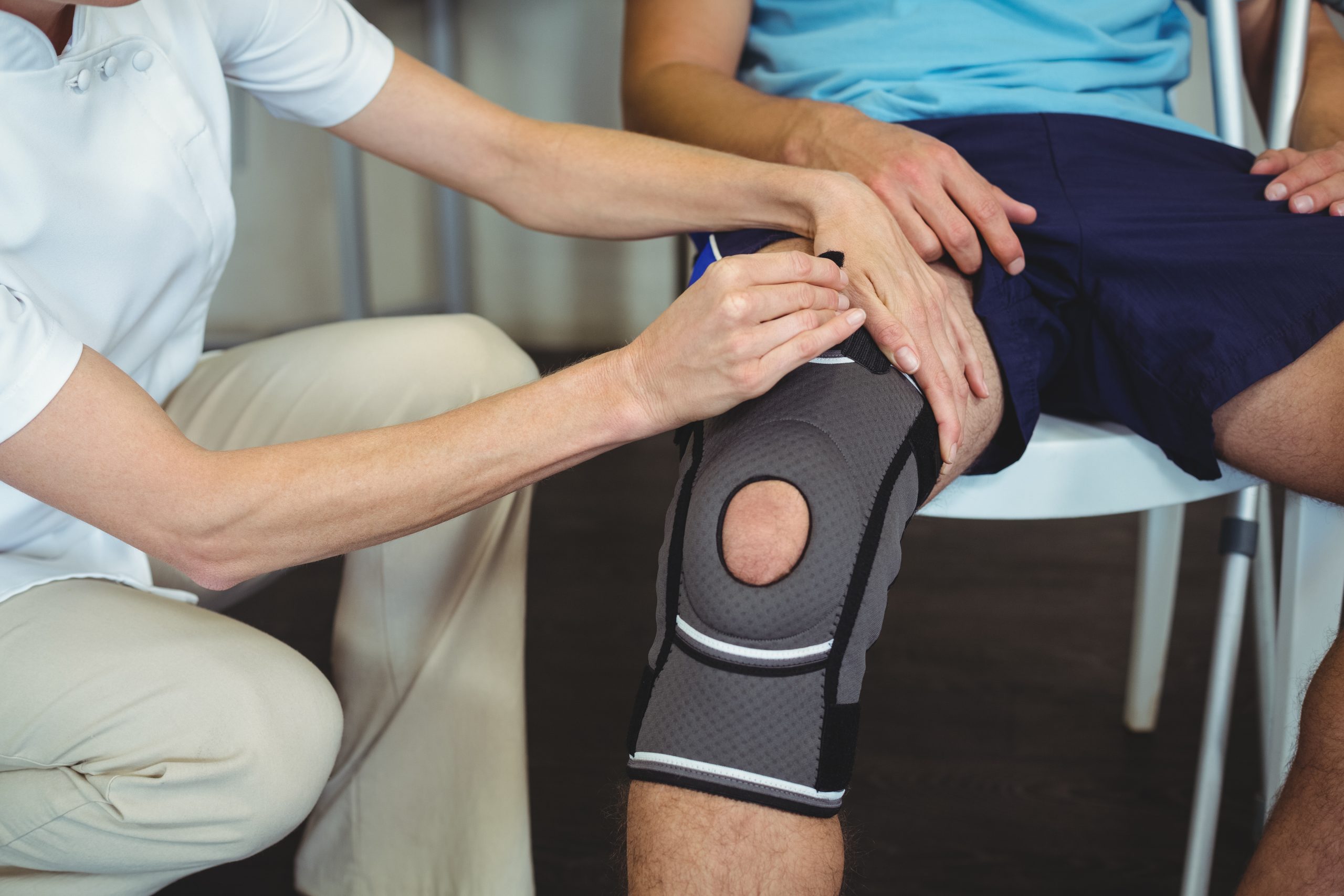
Before you begin shopping, it’s crucial to have a clear understanding of the senior’s mobility level. A professional assessment by a physical or occupational therapist is highly recommended. They can evaluate the senior’s gait, balance, strength, and any specific physical limitations. This assessment will help determine whether a standard walker, a rollator, or a specialized mobility aid is the best fit.
Assessing Balance and Strength
One of the primary factors in choosing a walker is the senior’s level of balance. Those who are prone to falls or have severe balance issues may require the maximum stability offered by a standard walker. On the other hand, seniors with better balance who primarily need assistance with endurance may benefit from the ease of movement provided by a rollator.
The Different Types of Walkers
Standard (Non-Wheeled) Walkers
A standard walker is the simplest and most stable type of walker. It consists of a lightweight aluminum frame with four legs and rubber tips. To use it, the senior must lift the entire walker and place it forward before stepping into it. Standard walkers are ideal for those who need to lean heavily on the aid for balance or for use in very small indoor spaces.
Two-Wheeled (Front-Wheeled) Walkers
This type of walker has two wheels on the front legs and rubber tips or glides on the back legs. It allows the senior to push the walker forward without lifting it entirely. Two-wheeled walkers offer a compromise between the stability of a standard walker and the mobility of a rollator. They are often used by those who have a more natural gait but still need significant support for balance.
Four-Wheeled Walkers (Rollators)
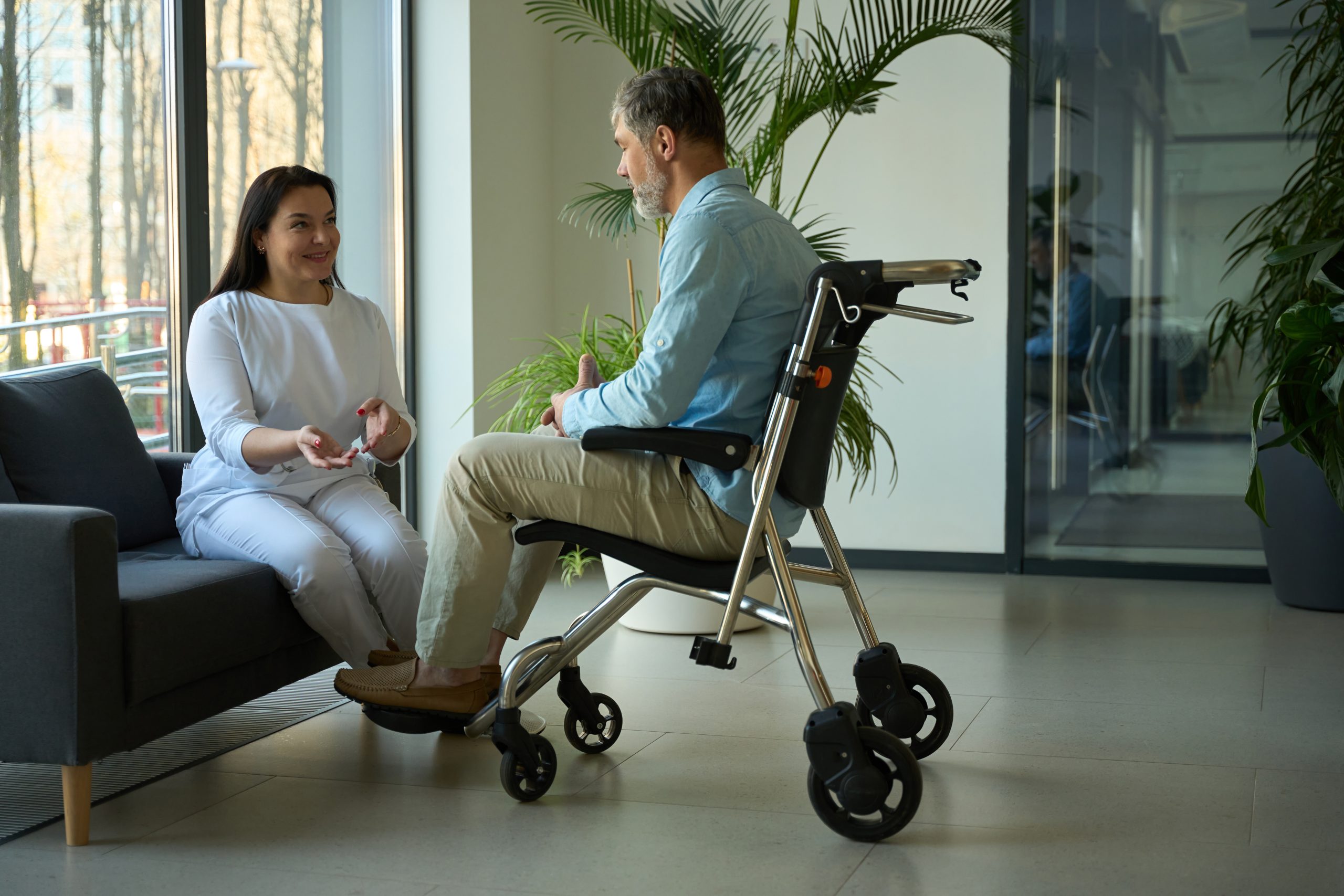
A rollator is essentially a walker on four wheels. It has hand brakes, a built-in seat, and often a storage basket. Rollators are designed for continuous movement and are best for seniors who can walk but tire easily. They provide a place to rest and are excellent for outdoor use and covering longer distances.
Key Features to Consider
Adjustable Height
Proper height adjustment is critical for the senior’s comfort and safety. Most walkers have telescoping legs that can be adjusted to match the user’s height. When the senior is standing upright with their arms at their sides, the handles of the walker should be at the level of their wrists.
Weight and Portability
Consider the weight of the walker and how easy it is to fold and transport. If the senior or their caregiver will frequently be lifting the walker into a car or navigating stairs, a lightweight aluminum model is often the best choice. Some rollators are also designed to be compact and easy to fold for storage and travel.
Seat and Backrest (for Rollators)
If you’re considering a rollator, pay attention to the comfort and size of the seat and backrest. A padded seat is more comfortable for resting, and an adjustable backrest can provide additional support. Make sure the seat is at a height that allows the senior to sit and stand easily.
Brakes and Locking Mechanism
For rollators, the braking system is a vital safety feature. Hand brakes should be easy to squeeze, especially for those with arthritis. A locking mechanism is also essential for keeping the rollator in place while the senior is sitting on the built-in seat.
Storage Options
Many rollators come with a storage basket or bag under the seat. This is a convenient feature for carrying personal items, groceries, or medical supplies. Consider the size and accessibility of the storage when making your selection.
Buying Guide: Determining the Best Fit
- Measurements Matter: Measure the senior’s height and weight to ensure the walker can accommodate their size and weight capacity.
- Environment Check: Think about where the walker will be used most—indoors, outdoors, or both. This will influence the type of wheels and the width of the walker.
- User’s Preference: Involve the senior in the decision-making process. Let them try out different models to see which one they feel most comfortable and confident using.
Safety Tips for New Walker Users
- Maintenance is Key: Regularly check the rubber tips, wheels, and brakes for wear and tear. Replace any worn-out parts promptly.
- Clear the Path: Remove any trip hazards from the senior’s home, such as loose rugs, cords, or clutter.
- Initial Training: Have a physical therapist or a trained caregiver show the senior how to use the walker correctly and safely.
FAQs About Choosing a Walker
1. Can I use a walker if I have a walker?
Actually, many seniors find that they need both a standard walker for indoor use and a rollator for outdoor activities. Having two devices allows them to have the right support for different environments.
2. Are there bariatric walkers for heavier seniors?
Yes, bariatric walkers are specifically designed to support higher weight capacities, typically up to 500 lbs or more. They have reinforced frames and wider seats for added comfort and safety.
3. What if I have narrow doors in my home?
Look for a “narrow” or “compact” walker model. Some standard walkers are specifically designed to fit through tight spaces, such as bathroom doors.
4. Do I need a prescription for a walker?
While you don’t necessarily need a prescription to buy a walker, having one can be helpful for insurance coverage and for getting a professional assessment of your needs.
5. Can I rent a walker instead of buying one?
Yes, many medical supply stores offer walker rentals, which can be a good option for temporary needs or for trying out a model before committing to a purchase.
Conclusion: Empowering Seniors with the Right Mobility Aid
Choosing the right walker is about finding the perfect balance between support and independence.By carefully considering the factors outlined in this guide and consulting with professionals, you can ensure that the senior in your life has the best possible tool to stay active and engaged with their world. Remember that a well-chosen walker is more than just a mobility aid—it’s a tool for maintaining a high quality of life.
Internal Link Suggestion: For more detailed information on specific topics, check out our guides on Best Walkers for Seniors in 2026 and Rollator vs Standard Walker.