
Best Rollators with Seats for Seniors: Comfort and Convenience on the Go
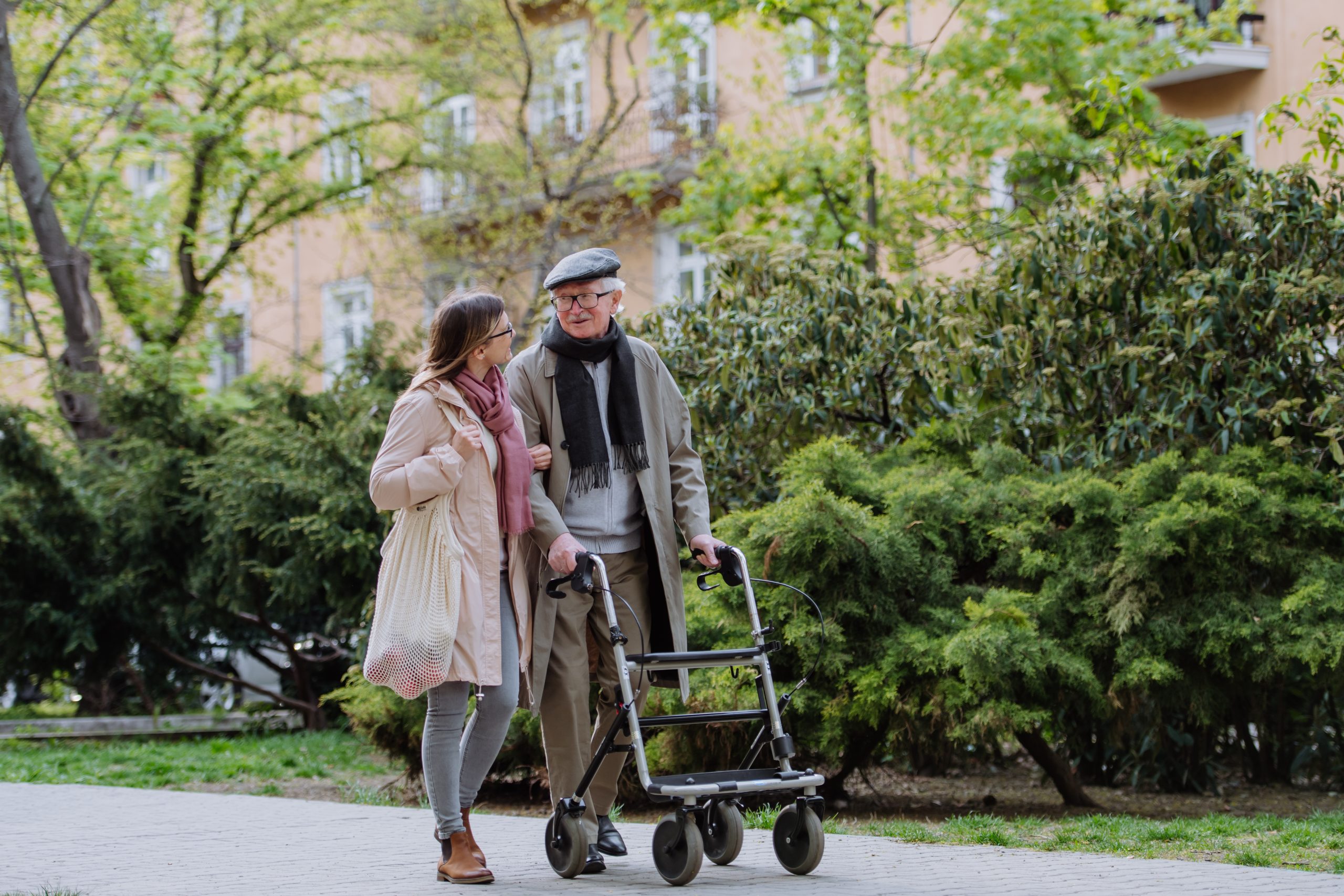
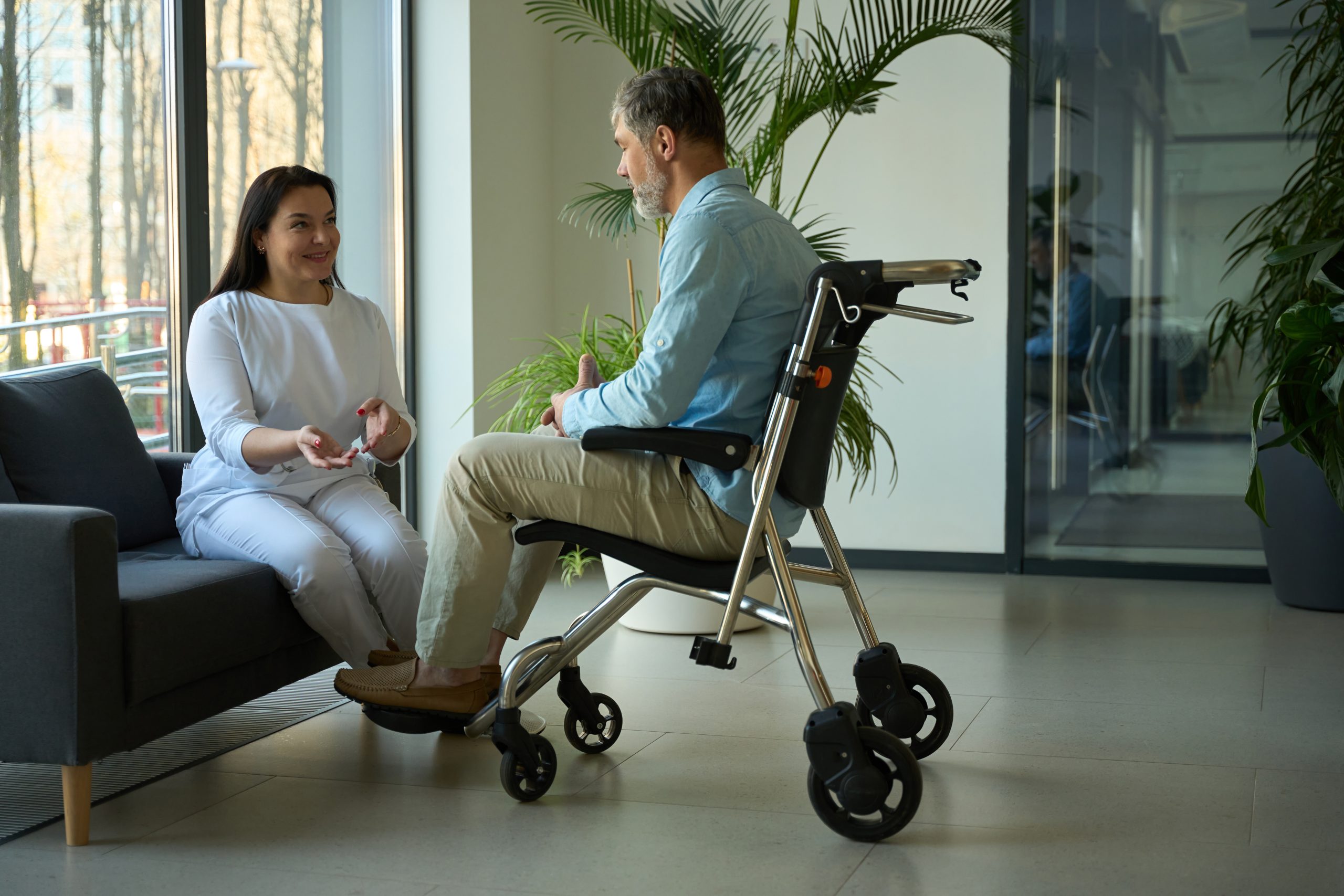
For seniors who love to stay active but may experience fatigue or have limited endurance, a rollator with a built-in seat is a game-changer. These versatile mobility aids provide not only stability and support while walking but also a convenient place to rest whenever needed. Whether it’s waiting in a long line, taking a break during an outdoor stroll, or simply catching their breath, having a seat readily available can significantly enhance a senior’s independence and confidence. In this guide, we’ll explore the best rollators with seats for seniors in 2026, focusing on comfort, durability, and practical features.
The Benefit of a Built-In Seat
The primary advantage of choosing a rollator with a seat is, of course, the ability to take breaks on the go. This feature is particularly beneficial for seniors with conditions like chronic obstructive pulmonary disease (COPD), heart failure, or severe arthritis, where fatigue can set in quickly. Having a secure and comfortable place to sit means they can go further and engage in activities for longer periods without the fear of overexertion.
Improving Safety and Confidence
A built-in seat also provides a sense of security. Knowing that they have a sturdy place to sit if they feel dizzy or unsteady can reduce anxiety and encourage seniors to stay active. It’s also a valuable feature for those who need to sit while performing tasks, such as in the kitchen or while out running errands.
Key Features of the Best Rollators with Seats
Seat Height and Width
The height of the seat is crucial for both comfort and safety. Ideally, the seat should be at a height that allows the senior to sit and stand with minimal effort. Some rollators have adjustable seat heights to accommodate different users. The width of the seat is also important; ensure it is wide enough to provide adequate support without feeling cramped.
Padded vs Unpadded Seats
A padded seat is generally more comfortable, especially for longer periods of sitting. However, unpadded seats are often lighter and easier to fold. Consider the senior’s individual needs and how much time they are likely to spend sitting on the rollator when making your choice.
Backrest and Support
A backrest provides additional support and comfort when sitting. Look for models with adjustable and padded backrests that can be positioned to support the senior’s lower back. A secure backrest can also prevent the user from accidentally leaning too far back.
Weight Capacity and Stability
Always check the weight capacity of the rollator, both for its overall frame and for the seat itself. Most rollators support up to 300 lbs, but bariatric models can handle up to 500 lbs or more. Stability is also key; the rollator should feel solid and secure when the senior is sitting on it.
Braking and Locking Systems
The hand brakes are a critical safety feature. They should be easy to squeeze and have a locking mechanism to keep the rollator in place while the senior is sitting. Always engage the parking brakes before sitting down to prevent the device from rolling away.
Top Picks for Best Rollators with Seats in 2026
1. The Deluxe Comfort Rollator
This model features a wide, thick-padded seat and an adjustable backrest. It’s designed for maximum comfort and includes a large storage bag under the seat. Its extra-large 8-inch wheels provide a smooth ride on various outdoor surfaces.
- Pros: Superior seat comfort, large wheels, convenient storage.
- Cons: A bit heavier than some other models.
2. The Lightweight Explorer with Seat
This rollator strikes a balance between weight and comfort. It has a slightly narrower seat but is incredibly easy to fold and transport. It’s a great choice for active seniors who want a seat for occasional breaks during their outings.
- Pros: Very portable, easy-to-use brakes, slim profile.
- Cons: Seat is slightly less padded than more robust models.
3. The Heavy-Duty Bariatric Rollator
For seniors who need extra support, this model offers a wider seat and reinforced frame. It has a high weight capacity (up to 450 lbs) and features large, heavy-duty wheels for extra stability and traction on uneven terrain.
- Pros: Exceptional stability, high weight capacity, wide seat.
- Cons: Heavier and bulkier to transport.
Comparison Table: Top Rollator Models with Seats
| Feature | Deluxe Comfort | Lightweight Explorer | Heavy-Duty Bariatric |
|---|---|---|---|
| Weight Capacity | 300 lbs | 250 lbs | 450 lbs |
| Seat Width | 18 inches | 16 inches | 22 inches |
| Padded Seat | Yes (Thick) | Yes (Standard) | Yes (Standard) |
| Wheel Size | 8 inches | 6 inches | 8 inches |
Choosing the Best Fit: A Practical Guide
- Individual Assessment: Consider the senior’s height, weight, and general physical condition. Is the seat at a comfortable height for them to sit and stand from?
- Comfort Check: If possible, have the senior sit on different rollator models to see which one feels most supportive and comfortable.
- Storage and Portability: Think about where the rollator will be stored and how it will be transported. Does it fold easily and fit into a car’s trunk?
Safety Tips for Using a Rollator’s Seat
- Lock the Brakes: Always engage the parking brakes before sitting down. This prevents the rollator from moving unexpectedly.
- Face the Front: Always sit with your back against the backrest and your feet firmly on the ground. Never sit sideways on the seat.
- Don’t Be Pushed: A standard rollator seat is for resting only. Never allow anyone to push you while you are sitting on it.
- Use the Backrest: Ensure the backrest is securely in place before leaning back.
FAQs About Rollators with Seats
1. Can I use a rollator seat as a wheelchair?
No. Standard rollators are not designed for being pushed while a person is seated. This is hazardous and can lead to falls. If you need a device that can be both walked and pushed, look into “hybrid” rollator-transport chairs.
2. Do I need a prescription for a rollator with a seat?
While a prescription isn’t strictly necessary for a purchase, it is usually required for insurance or Medicare coverage. A doctor’s prescription also helps ensure the senior gets the right type of mobility aid for their condition.
3. How do I clean the seat?
Most rollator seats are made of a water-resistant material that can be wiped down with a damp cloth and mild soap. Avoid using harsh chemicals that could damage the fabric or padding.
4. Are there rollators with seats for travel?
Yes, there are lightweight and compact rollators designed specifically for travel. They often have smaller wheels and a simplified seat that folds along with the frame but still provides a place to rest.
5. Can I add a seat to a standard walker?
While there are some aftermarket seat attachments for standard walkers, they are generally less stable and comfortable than a rollator with a built-in seat. It’s usually better to choose a rollator if a seat is a priority.
Conclusion: Rest and Go with Confidence
A rollator with a seat is a powerful tool for maintaining independence and staying active in the later years. By providing a reliable way to walk and a comfortable place to rest, these mobility aids empower seniors to live life on their own terms. By choosing the right model and following safety guidelines, you can ensure a safer and more fulfilling experience for the senior in your life. Remember to focus on comfort, stability, and safety for the best long-term results.
Internal Link Suggestion: Check out our guide on Best Walkers for Seniors in 2026 for more mobility options.