
When Should Seniors Start Using a Walker? Recognizing the Signs of Mobility Issues
One of the most challenging transitions for a senior and their family is recognizing when it’s time to start using a mobility aid like a walker. For many, a walker can represent a loss of independence, but in reality, it’s a powerful tool that can prevent falls, reduce fatigue, and actually *enhance* mobility and freedom. Knowing the early signs of mobility issues can help you start the conversation and transition to a walker before a serious accident occurs. In this guide, we’ll cover the key markers that suggest a senior may benefit from a walker, from subtle changes in their daily routine to more obvious signs of unsteadiness and fatigue.
Early Warning Signs: Subtle Changes in Routine
The first signs that a senior may need a walker are often subtle. They may start to avoid certain activities they used to enjoy, such as walking to the store, visiting neighbors, or attending social events. This shift in behavior is often a way to compensate for a feeling of unsteadiness or fatigue. Pay attention to any changes in your loved one’s daily routine and ask them questions about why they’re making these adjustments.
Improving Safety and Confidence
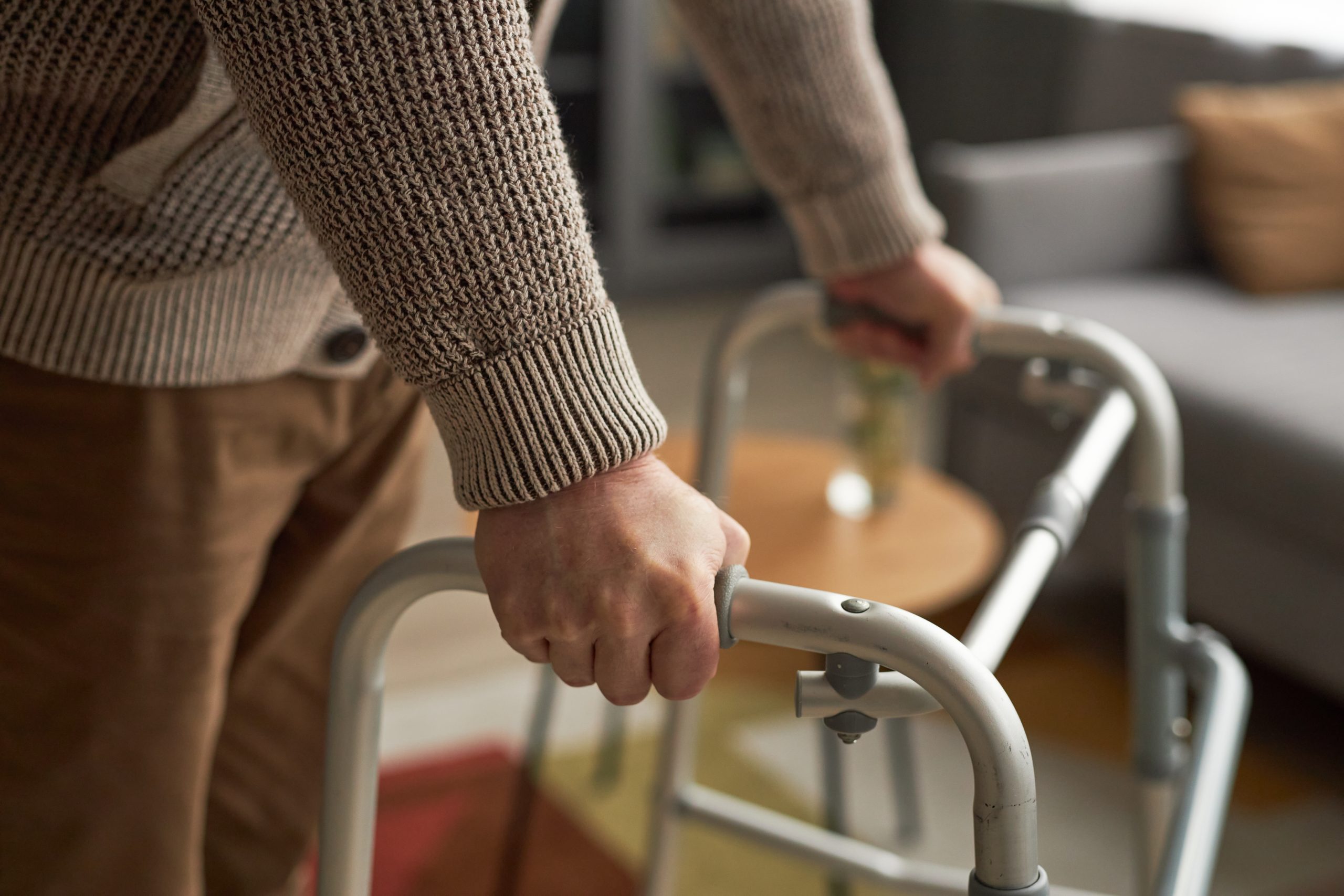
A walker can provide the necessary support and stability to help a senior re-engage with their world. By reducing the physical effort required to walk and providing a secure base of support, it can boost their confidence and encourage them to stay active and independent. Recognizing the signs early on allows for a proactive approach to mobility and safety.
Key Indicators of Mobility Issues
Unsteadiness or Frequent Near-Falls
If you notice your loved one “holding onto furniture” or reaching for walls as they move around the house, it’s a clear sign of unsteadiness. Frequent near-falls, even if they don’t result in an actual fall, are a major red flag. A walker can provide a stable and reliable base of support that can significantly reduce the risk of a serious fall.
Muscle Weakness and Fatigue
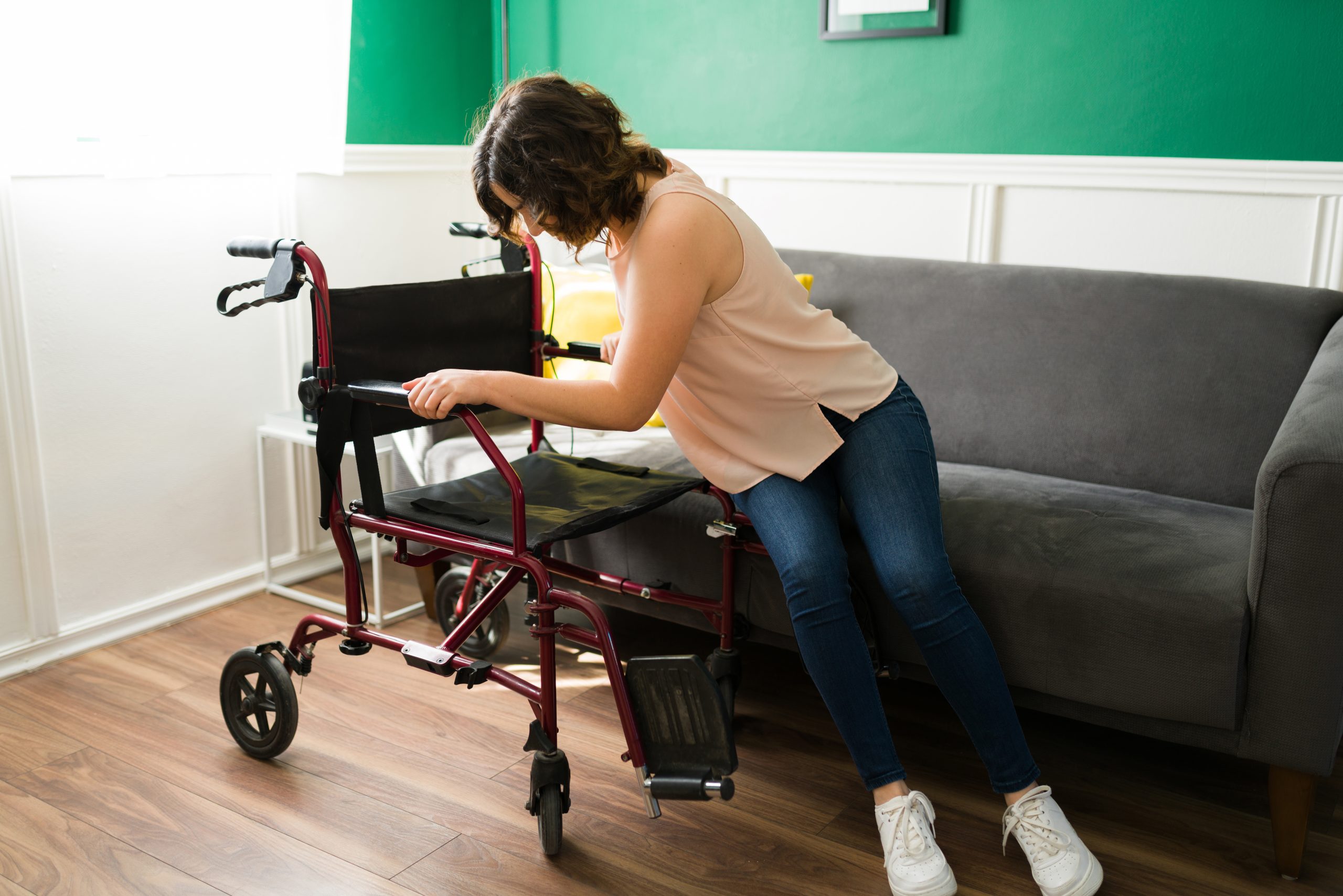
Seniors who find themselves getting tired more easily or needing to take frequent breaks during short walks may be experiencing muscle weakness. This fatigue can lead to poor balance and an increased risk of falls. A walker, especially a rollator with a built-in seat, allows them to rest whenever needed and can help them manage their endurance more effectively.
Changes in Gait and Posture
Pay attention to any changes in how your loved one walks. Are they taking shorter steps? Do they shuffle their feet? Is their posture more stooped or leaning to one side? These shifts in gait and posture are often ways to compensate for balance issues and can be addressed with the right mobility aid.
Difficulty with Daily Tasks
If a senior is having trouble with simple daily tasks, such as getting out of a chair, navigating stairs, or moving from room to room, it’s a sign that their mobility is compromised. A walker can provide the necessary leverage and support to make these tasks safer and easier to perform.
Comparison Table: Signs of Mobility Decline
| Sign | Description | Potential Hazard |
|---|---|---|
| Furniture Surfing | Relying on walls/furniture for balance | High risk of falls if a surface is unstable |
| Short, Shuffling Steps | Changed gait to feel more secure | Increased risk of tripping over thresholds/rugs |
| Frequent Fatigue | Tiring easily after short movements | Loss of balance due to muscle weakness |
| Avoiding Social Events | Withdrawal due to fear of falling | Social isolation and decreased physical activity |
Starting the Conversation About a Walker
- Focus on Safety and Independence: Frame the conversation around how a walker can help them stay safe and independent for longer. Emphasize that it’s a tool for *more* mobility, not less.
- Share Your Concerns Gently: Use “I” statements to express your observations and concerns without making them feel defensive. For example, “I noticed you were holding onto the furniture today, and I’m worried you might slip.”
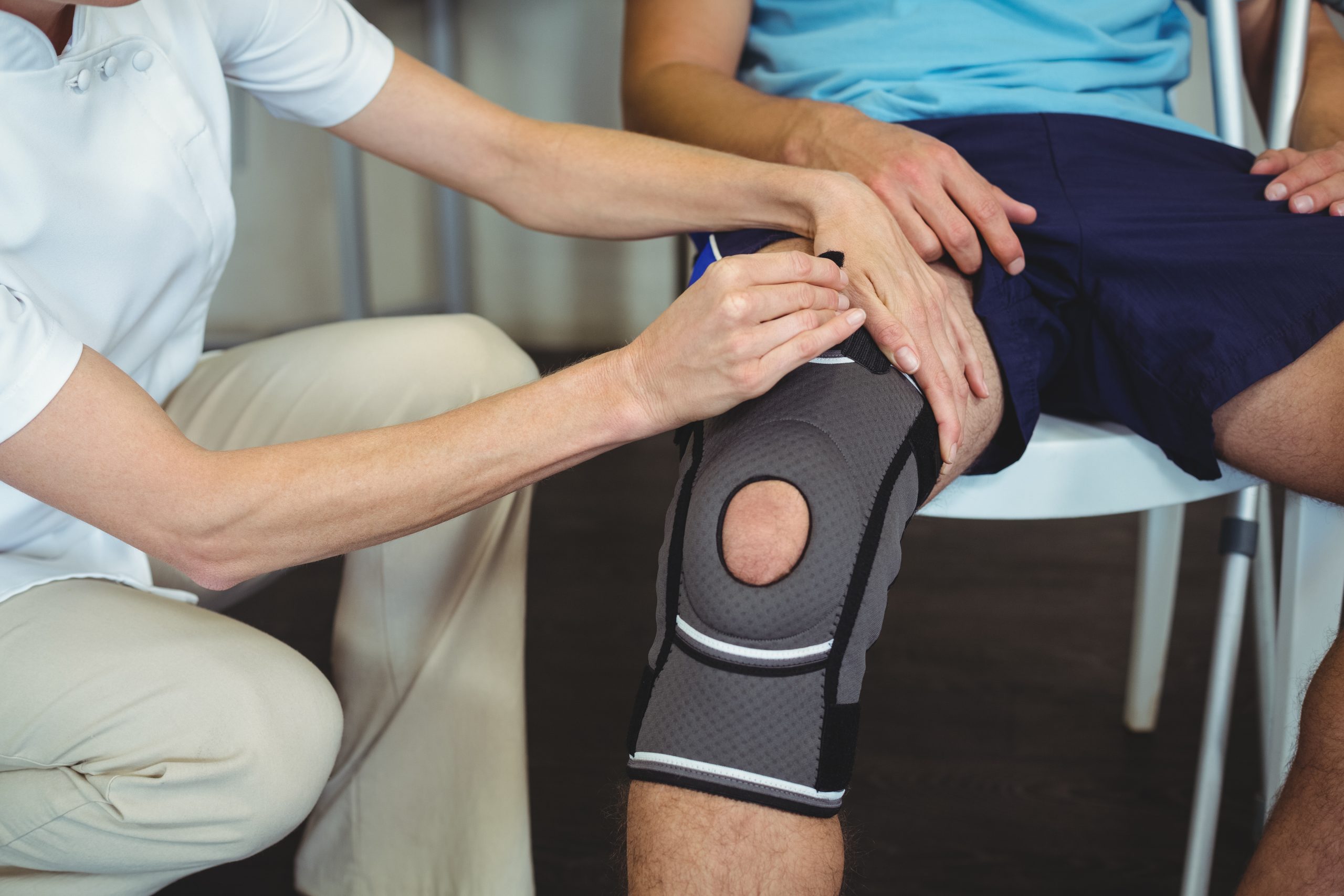
- Involve a Professional: Consider scheduling an appointment with their doctor or a physical therapist. They can provide an objective assessment and recommend the most appropriate walker type and features.
- Try it Out: Sometimes, simply letting the senior try out a walker in a safe and supportive environment can help them feel more comfortable and confident with the idea.
Safety Tips for Transitioning to a Walker
- Proper Fitting is Essential: Ensure the walker is correctly adjusted to the senior’s height. When standing upright with their arms at their sides, the handles should be at the level of their wrists.
- Initial Training: Have a professional show your loved one how to use the walker correctly and safely in different environments. This will build their confidence and reduce the risk of accidents.
- Home Environment Modifications: Remove any trip hazards from the senior’s home, such as loose rugs, cords, or clutter, to make using the walker safer and easier.
FAQs About When to Start Using a Walker
1. What if my loved one refuses to use a walker?
It’s common for seniors to resist using a mobility aid. Be patient and continue to emphasize the benefits of safety and independence. Sometimes, starting with a cane or a more “modern-looking” rollator can be a helpful middle ground.
2. Can using a walker make my loved one’s muscles weaker?
On the contrary, a walker can help a senior stay active for longer, which can actually help maintain muscle strength and endurance. It allows them to walk further and more frequently than they could without support.
3. Are there alternatives to a walker?
Depending on the senior’s needs, a cane, a wheelchair, or even just some balance-focused exercises may be more appropriate. A professional assessment will help determine the best mobility plan for your loved one.
4. How do I know if my loved one needs a rollator instead of a standard walker?
If your loved one can walk but tires easily and needs a place to rest, a rollator with a seat is often the better choice. If they have severe balance issues and need to lean heavily on the aid, a standard walker is generally safer.
5. Is there a “right” age to start using a walker?
No, there is no specific age. The decision should be based on your loved one’s individual mobility level, strength, and balance, regardless of their chronological age.
Conclusion: Choosing Safety and Independence
Recognizing the signs that a senior may need a walker is an act of care and love. By being proactive and focusing on their safety and independence, you can help them navigate the transitions of aging with grace and confidence. Remember that a walker is a tool for a better quality of life, empowering seniors to stay active, engaged, and independent for longer. Stay alert, stay supportive, and help your loved one stay mobile and safe on their own terms. A well-timed transition to a walker can make all the difference in the world.
Internal Link Suggestion: Read our detailed guide on How to Choose the Right Walker for Seniors for more selection tips.