
Walker Maintenance Guide for Caregivers: Keeping Mobility Aids Safe and Secure
For many seniors, a walker is a vital tool for independence. For caregivers, ensuring that this mobility aid is in good working order is a key responsibility. A well-maintained walker is not only more reliable and comfortable to use, but it’s also safer for the senior, as it significantly reduces the risk of accidents and falls. In this comprehensive guide, we’ll cover the essential maintenance tasks that caregivers should perform regularly, from initial check-ups to cleaning and replacing worn-out parts. By following these simple steps, you can ensure that your loved one’s walker remains a faithful companion for years to come.
The Benefit of Consistent Maintenance
The primary advantage of regular walker maintenance is, of course, safety. A walker with worn-out rubber tips or faulty brakes is a major fall hazard. Consistent check-ups can also prolong the life of the mobility aid and prevent more costly repairs or replacements in the future. Furthermore, a well-maintained walker is more comfortable and easier for the senior to use, which can encourage them to stay active and independent.
Improving Longevity and Reliability
Regularly cleaning and lubricating the walker’s moving parts can help prevent rust and ensure smooth operation. Checking the brakes and wheels and replacing any worn-out components will keep the device dependable and secure for your loved one. This level of care can also give both the senior and the caregiver peace of mind.
Essential Walker Maintenance Tasks
Check the Rubber Tips (for Non-Wheeled Walkers)
The rubber tips on the legs of a standard or two-wheeled walker are critical for stability and traction. Over time, these tips can wear down, become brittle, or lose their grip on smooth floors. Caregivers should inspect the tips regularly and replace them immediately if they show signs of wear or cracking.
Inspect the Wheels and Brakes (for Rollators)
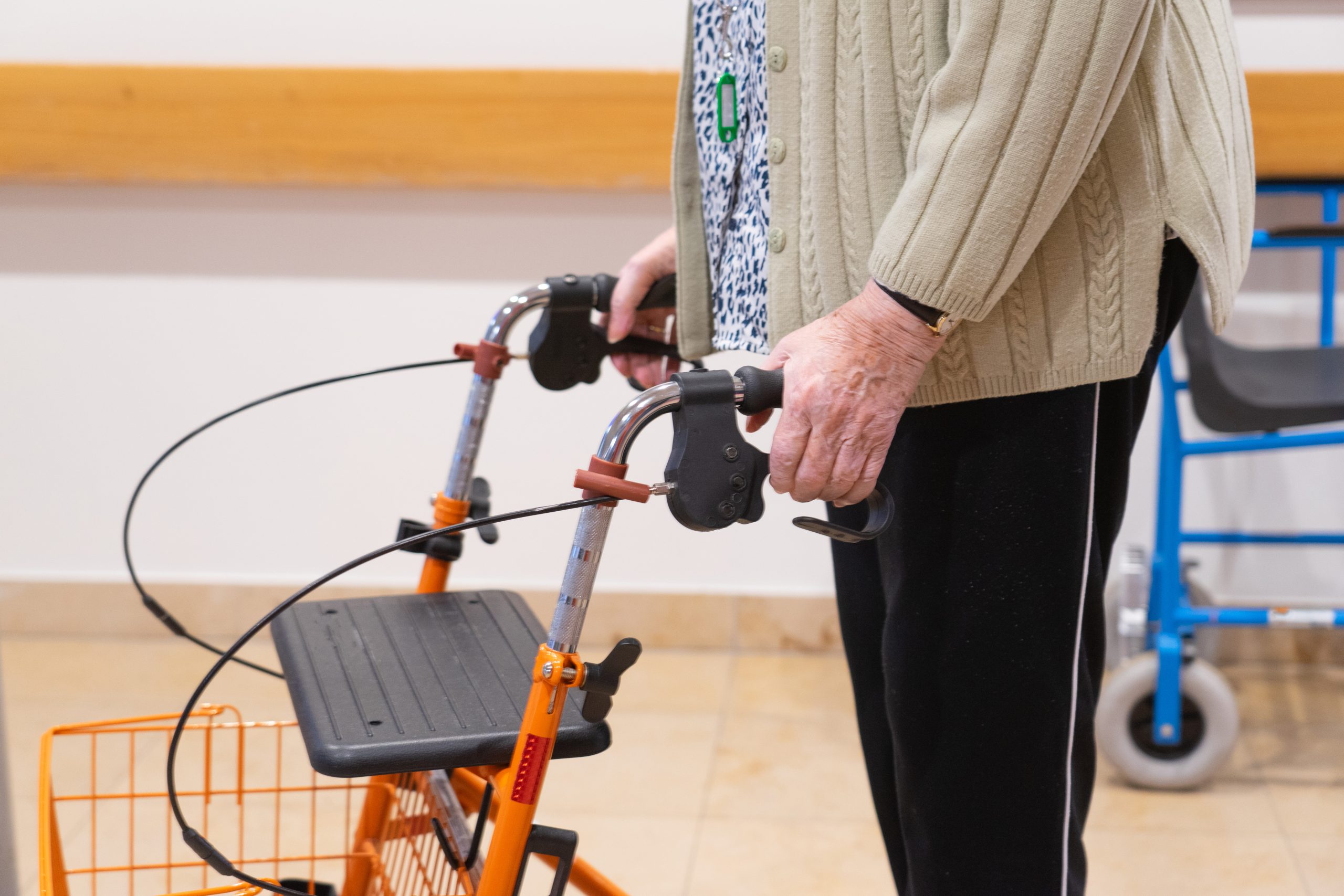
For wheeled walkers (rollators), the wheels and brakes are vital safety features. Check that the wheels rotate smoothly and that they are not loose or wobbling. For the brakes, ensure they are responsive and that the locking mechanism holds the walker securely in place when engaged. Periodically clean the wheel axles and apply a small amount of lubricant if needed.
Tighten Screws and Bolts
Over time, the various screws and bolts that hold a walker’s frame together can become loose due to regular use and transport. Caregivers should periodically check all fasteners and tighten any that have become loose. A “clackety” or rattling walker is often a sign that maintenance is needed.
Verify Height Adjustments
Ensure that the walker’s height adjustments are still secure and that the handles are at the correct level for the senior. Over time, the telescoping legs can sometimes slip or become difficult to adjust. Check that all locking pins are fully engaged and that the walker feels stable at its current height.
Clean and Sanitize
Regularly cleaning the walker’s frame, handles, and seat (if applicable) can prevent the buildup of dirt, grime, and bacteria. Use a mild soap and water solution and a soft cloth to wipe down the device. Pay extra attention to the handles, as these are high-touch areas.
Comparison Table: Maintenance Frequency for Walker Types
| Task | Standard Walker | Two-Wheeled Walker | Rollator (Four-Wheeled) |
|---|---|---|---|
| Check Rubber Tips | Weekly | Weekly | N/A |
| Check Wheels/Brakes | N/A | Monthly | Weekly |
| Tighten Fasteners | Monthly | Monthly | Monthly |
| Clean/Sanitize | As Needed | As Needed | Weekly (Seat/Handles) |
Tips for Caregivers: Making Maintenance Manageable
- Set a Regular Schedule: Incorporate walker maintenance into your weekly or monthly care routine. This will ensure that these important tasks are not overlooked.
- Keep Spare Parts on Hand: Have a set of replacement rubber tips or glides readily available so you can make quick repairs when needed.
- Involve the Senior: If the senior is able, involve them in the maintenance process. This can help them feel more in control of their mobility aid and encourage them to report any issues they notice.
- Professional Help: If you’re unsure how to perform a maintenance task or if the walker’s frame is bent or damaged, consult with a medical supply store or a physical therapist for assistance.
Common Maintenance Mistakes to Avoid
One common mistake is neglecting to check the brakes on a rollator until they fail. Another is using harsh chemicals or abrasive cleaners that could damage the walker’s frame or padding. Caregivers should also avoid over-lubricating the wheel axles, as this can attract dirt and grime.
FAQs About Walker Maintenance
1. How often should I replace my walker’s rubber tips?
It depends on how much the walker is used, but a general rule is to check them weekly and replace them every 3-6 months. Or immediately if you notice any thinning or cracking.
2. Can I use WD-40 on my walker’s wheels?
While WD-40 can be used for cleaning, it’s not the best lubricant for walker wheels. A silicone or Teflon-based spray is often a better choice, as it won’t attract as much dirt.
3. What should I do if my walker’s frame is bent?
If the frame is bent or damaged, the walker’s stability is compromised and it should be replaced immediately. Do not attempt to straighten a bent frame yourself.
4. How do I clean my walker’s padded seat?
Most walker seats are made of water-resistant material and can be wiped down with a damp cloth and mild soap. Avoid soaking the padding, as it can be difficult to dry completely.
5. Is maintenance covered by insurance?
Generally, insurance and Medicare will not cover the cost of replacement tips or general maintenance supplies. However, if the walker itself needs a major repair, they may cover a replacement if it’s deemed medically necessary.
Conclusion: A Small Effort for Big Safety
Regular walker maintenance is a simple but vital part of caregiving. By taking the time to perform these basic tasks, you are ensuring that your loved one’s mobility aid remains a safe and reliable tool for staying active and independent. Remember that a small effort in maintenance today can prevent a major accident tomorrow. Stay alert, stay consistent, and keep the senior’s safety your number one priority. A well-cared-for walker is a sign of a well-cared-for senior.
Internal Link Suggestion: Read our detailed guide on Walker Safety Tips for Elderly Users for more usage advice.