

Indoor vs Outdoor Walkers for Seniors: Matching Your Environment to Your Mobility
One of the most important considerations when choosing a walker for a senior is the environment where it will be used most. A walker that excels in the tight spaces and smooth floors of a home may not be suitable for the uneven surfaces and potential hazards of the outdoors. Conversely, a rugged outdoor walker might be too bulky and difficult to maneuver in a small apartment. Understanding the key differences between indoor and outdoor walkers is essential for ensuring safety, comfort, and independence for elderly users. In this guide, we’ll explore the specific features of each type and how to match your walker to your specific lifestyle.
The Indoor Advantage: Maneuverability and Space
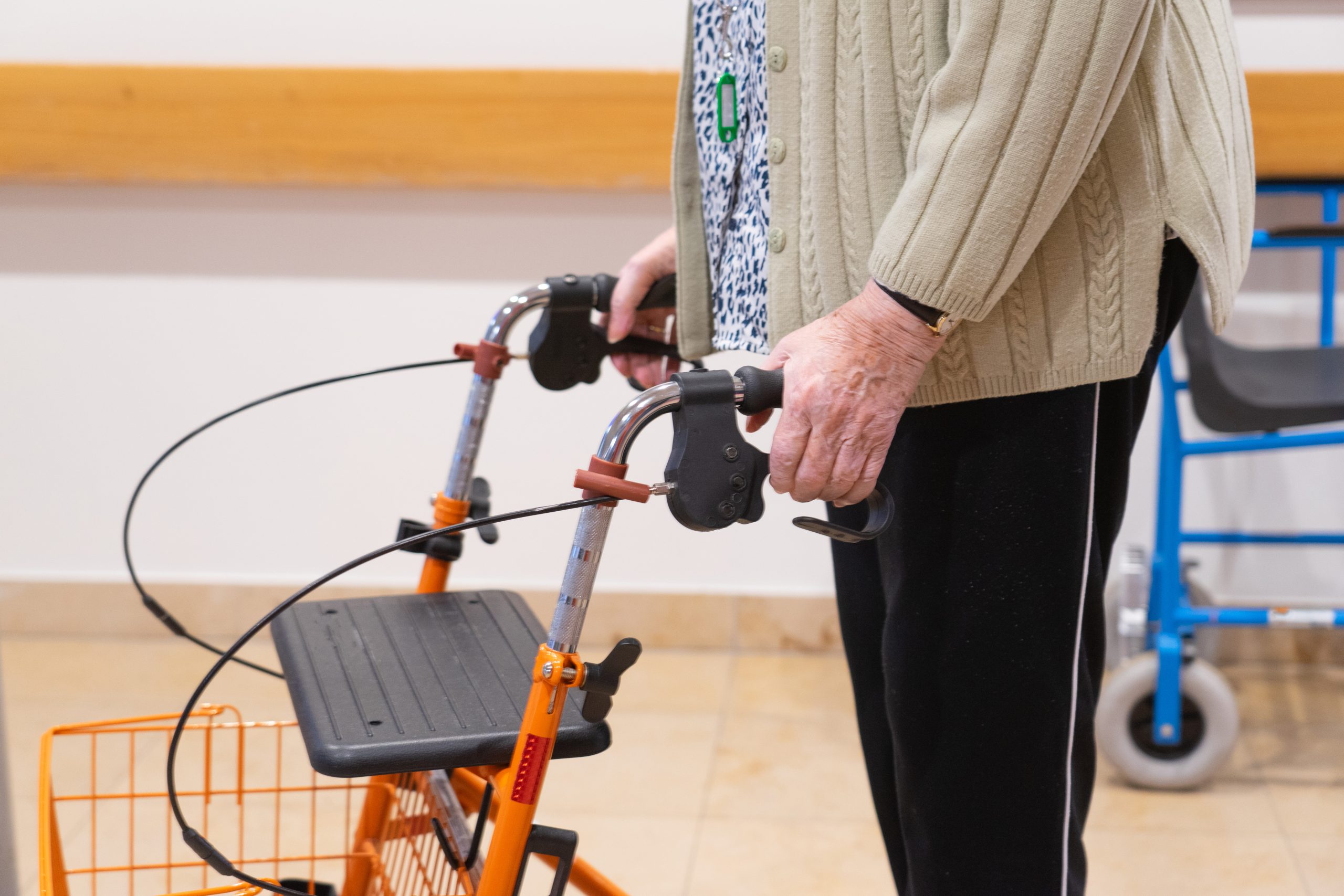
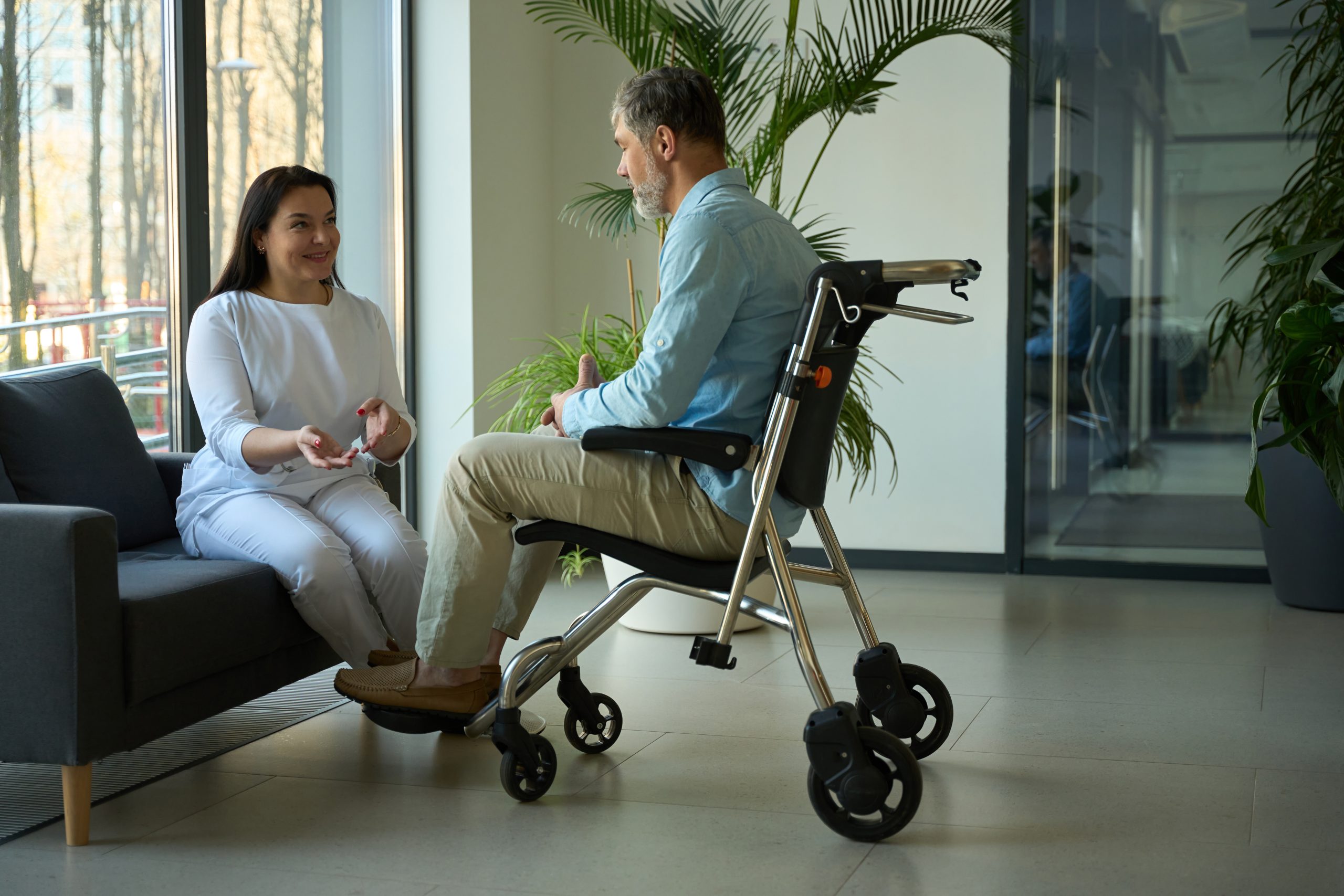
Indoor walkers are designed to excel in the controlled and often constrained environments of a home or apartment. They prioritize being lightweight, compact, and easy to maneuver through tight spaces, such as doorways, hallways, and around furniture. These walkers are typically made of lightweight aluminum and have smaller wheels that roll smoothly on hardwood, tile, and low-pile carpet.
Key Features of Indoor Walkers
- Narrow Profile: Indoor walkers are often slimmer than their outdoor counterparts, typically ranging from 20 to 24 inches wide. This allows them to fit easily through standard doorway frames (usually 30-32 inches).
- Smaller Wheels: Wheel sizes for indoor walkers are usually around 5-6 inches. Smaller wheels make the walker more maneuverable and less likely to leave marks on smooth indoor floors.
- Compact Folding: Many indoor models fold easily and compactly for storage in a closet or behind a door when not in use. Some even have a “double-fold” design for even more space-saving options.
- Non-Marking Tips and Wheels: To protect indoor flooring, indoor walkers often feature non-marking rubber tips and wheels. This is particularly important for hardwood or laminate surfaces.
The Outdoor Advantage: Stability and Terrain
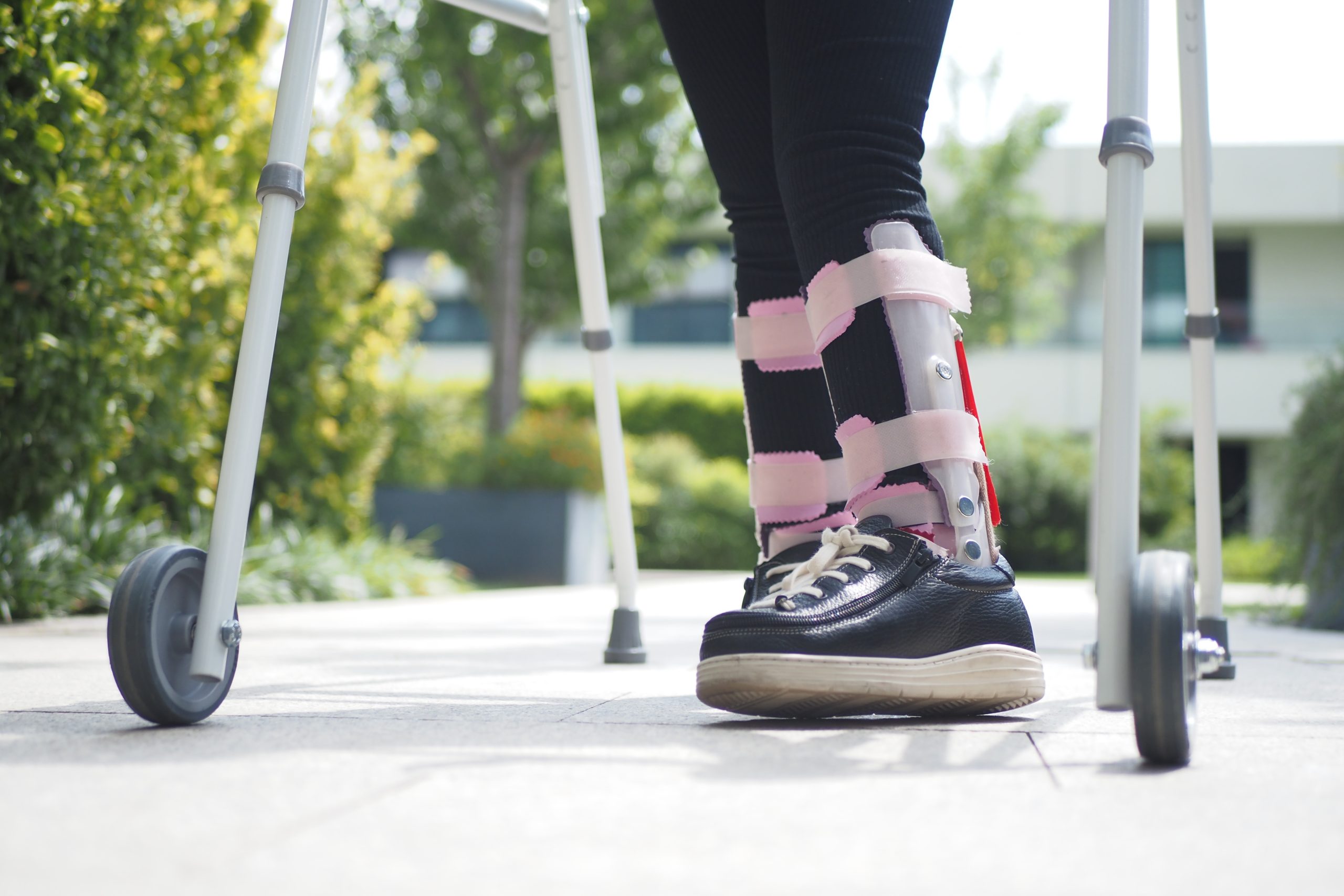
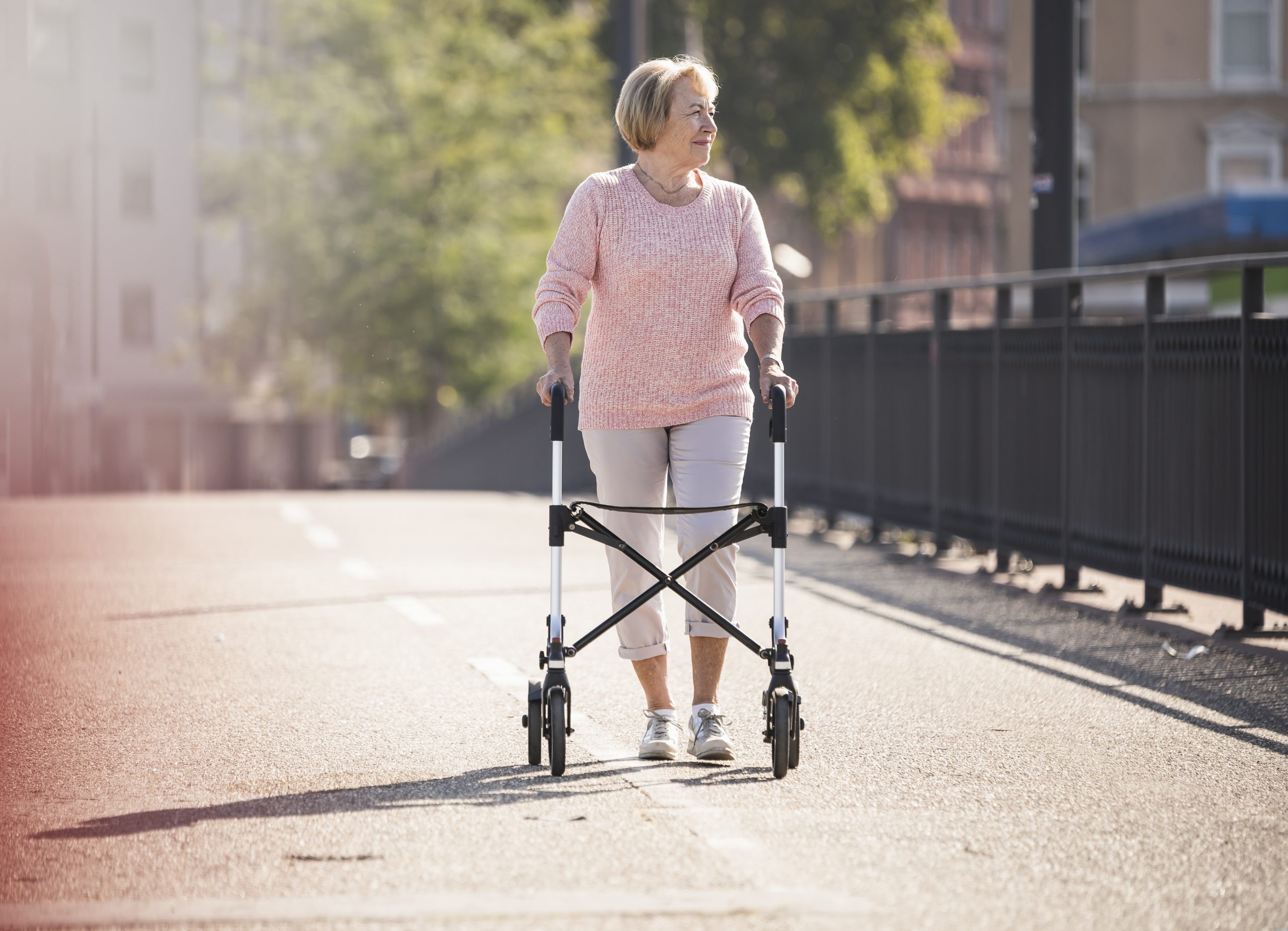
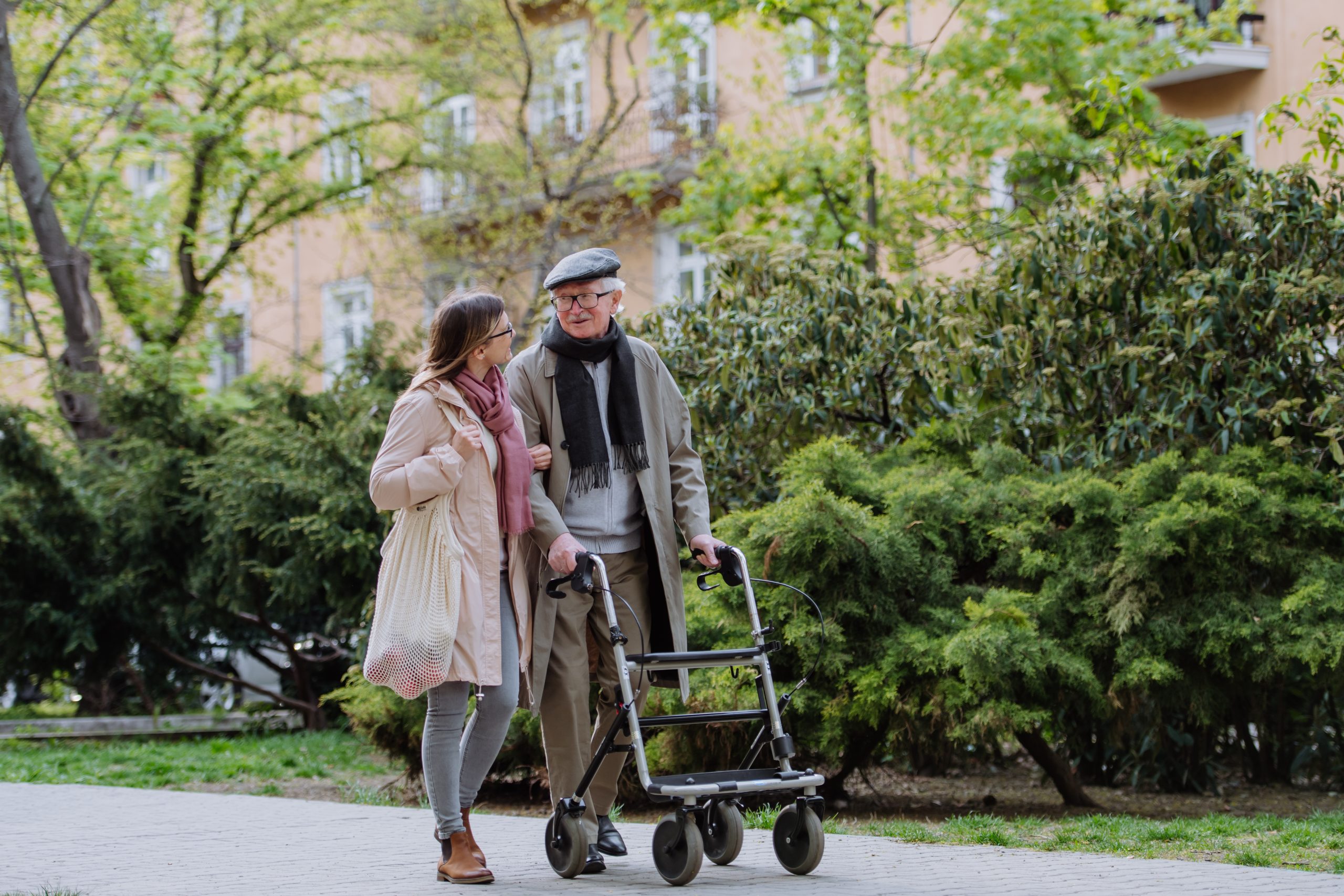
Outdoor walkers, on the other hand, are engineered to handle the unpredictability and variety of the outdoors. They prioritize stability, traction, and the ability to roll over uneven surfaces like sidewalks, grass, gravel, and rough pavement. These walkers are often sturdier and feature larger, air-filled tires for a smoother ride on outdoor terrain.
Key Features of Outdoor Walkers
- Larger, Rugged Wheels: Outdoor walkers typically have wheels of 7-8 inches or larger. Some even feature pneumatic (air-filled) tires that provide superior shock absorption and traction on various surfaces.
- Wider Base for Stability: To prevent tipping on uneven ground, outdoor walkers often have a wider frame. This provides a more stable center of gravity and increases the user’s confidence when navigating outdoors.
- Robust Materials: Many outdoor models are made of high-grade aluminum or even steel for extra durability and strength. They are designed to withstand the wear and tear of outdoor use.
- Reflectors and Lights: For safety during evening strolls, outdoor walkers may include built-in reflectors or lights to make the senior more visible to others.
Comparison Table: Indoor vs Outdoor Walkers
| Feature | Indoor Walker | Outdoor Walker |
|---|---|---|
| Width | Narrower (20-24 inches) | Wider (24-28+ inches) |
| Wheel Size | Smaller (5-6 inches) | Larger (7-8+ inches) |
| Stability | Moderate (Prioritizes maneuverability) | High (Prioritizes terrain traction) |
| Weight | Lightweight (Approx. 6-10 lbs) | Medium to Heavy (Approx. 15-25 lbs) |
Choosing the Best Fit for Your Lifestyle
- Assess the Primary Environment: Where will the senior spend most of their time using the walker? If it’s primarily for navigating around the house, an indoor model is likely the best choice. If they enjoy frequent outdoor walks, an outdoor-focused rollator is a better investment.
- Consider Dual-Use Models: Some walkers are designed to be “hybrids” that perform well both indoors and outdoors. These models typically have a medium width and wheels of around 6-7 inches, providing a good balance of maneuverability and stability.
- Try Out Different Models: If possible, have the senior test both indoor and outdoor-focused walkers in their typical environments. This will help them identify which features they find most important and which model feels most secure and comfortable.
Safety Tips for Using Walkers in Different Environments
- Indoor Safety: Remove any trip hazards from the home, such as loose rugs, cords, or clutter. Ensure hallways and bathrooms are well-lit for safe navigation.
- Outdoor Safety: Be extra cautious on uneven surfaces like grass or gravel. Stay on sidewalks whenever possible and avoid walking in dimly lit areas during the evening.
- Proper Maintenance: Regularly check your walker’s tips and wheels for wear. Worn-out tips can slip on smooth indoor floors, while damaged outdoor wheels can affect the walker’s stability and traction.
FAQs About Indoor and Outdoor Walkers
1. Can I use my indoor walker outdoors?
While you can use an indoor walker outdoors for short distances, it’s generally not recommended for regular use. The smaller wheels can easily get caught in cracks or on uneven ground, and the narrower frame is less stable on varied terrain.
2. Can I use my outdoor walker indoors?
Yes, but you may find it more difficult to maneuver in tight spaces. The wider frame and larger wheels can be cumbersome in small rooms and may have trouble fitting through narrow doorways.
3. Are there walkers specifically for rough terrain?
Yes, there are “all-terrain” rollators with extra-large wheels and reinforced frames that are specifically designed for use on grass, gravel, and other more challenging outdoor surfaces.
4. Do I need two different walkers?
Many seniors find that having two walkers—one for primary indoor use and another for outdoor activities—is the most effective way to maintain their mobility and safety in all environments.
5. Which type is easier to fold?
Indoor walkers are often lighter and more compact, making them generally easier to fold and store in small spaces. However, many modern outdoor rollators are also designed to be surprisingly portable for transport in a car.
Conclusion: Stay Mobile and Independent Everywhere
Matching your walker to your environment is a simple yet powerful way to enhance your safety and independence. By choosing the right model—whether it’s a nimble indoor walker for ease of motion around the house or a rugged outdoor rollator for exploring the world—you are ensuring that your golden years are spent moving with confidence and grace. Remember that the “best” walker is the one that best matches your individual needs and environment. Stay active, stay engaged, and stay safe!
Internal Link Suggestion: Read our detailed guide on Best Walkers for Seniors in 2026 for more mobility options.